Reliable pipe connections are essential for polyethylene water supply systems. In underground pipelines, municipal distribution networks, and industrial water installations, every joint must provide a secure connection under the required operating conditions.
PE electrofusion couplings are widely used to connect HDPE pipes. They use an electrically heated fusion process to join compatible polyethylene surfaces. This creates a compact connection without relying on traditional threaded joints or external mechanical compression.
For contractors, wholesalers, and plumbing product distributors, understanding electrofusion couplings is important when selecting fittings for water supply projects. Pipe compatibility, fitting dimensions, fusion parameters, and installation quality all influence the final connection.
This guide explains how PE electrofusion couplings work and what buyers should consider before purchasing them.
What Is a PE Electrofusion Coupling?
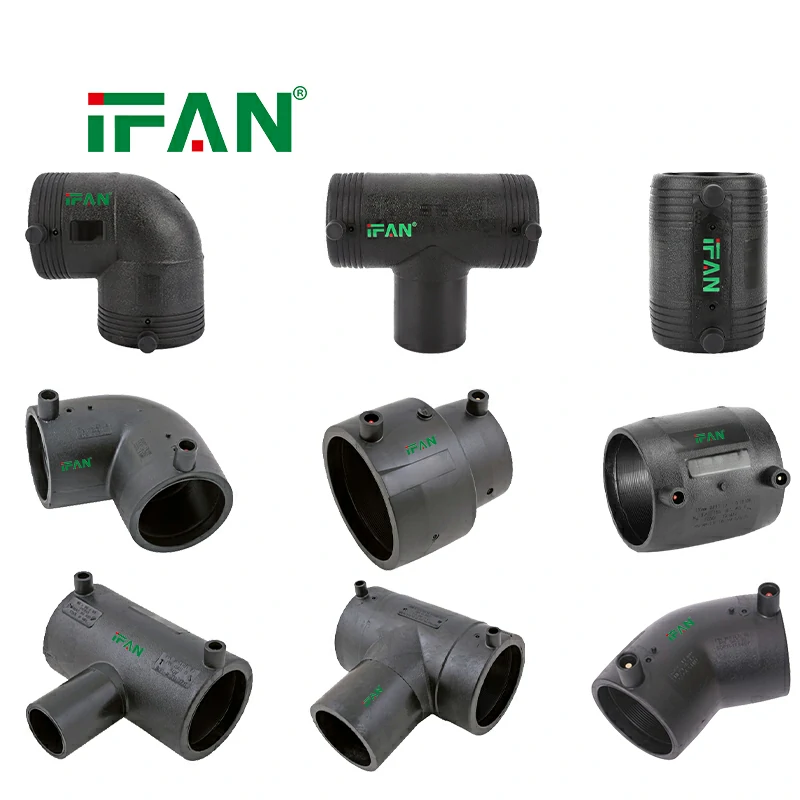
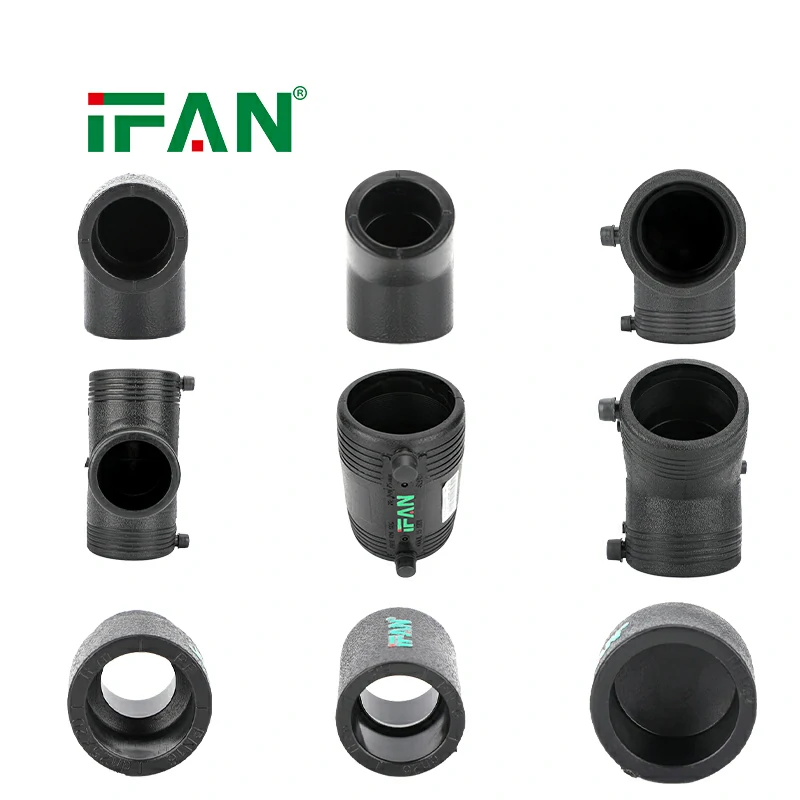
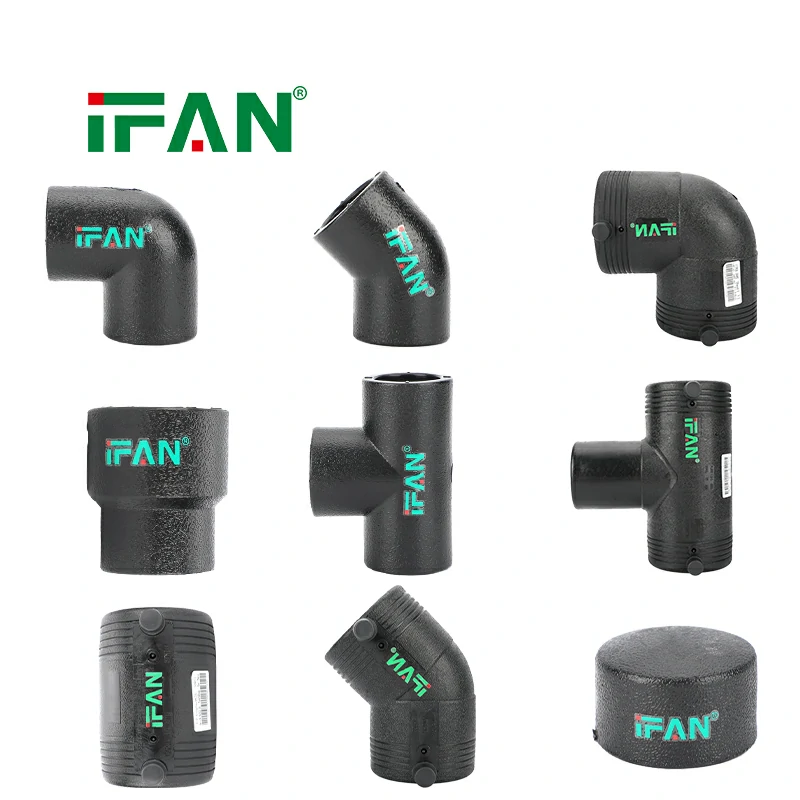
A PE electrofusion coupling is a polyethylene fitting designed to connect two compatible PE pipes of the same nominal outside diameter.
The fitting contains electrical resistance wires embedded within its internal wall. During installation, an electrofusion welding machine supplies controlled electrical energy to these wires.
The resulting heat melts the contact surfaces of the fitting and pipe. As the materials cool, they form a fused connection.
Unlike a conventional mechanical coupling, an electrofusion coupling does not depend solely on external compression or a rubber sealing ring. The connection is created by bonding compatible polyethylene materials together.
Most electrofusion couplings for pressure water systems are manufactured from PE100 or other specified polyethylene grades. The material must be suitable for the connected pipe and the intended operating conditions.
How Does an HDPE Electrofusion Coupling Work?
Electrofusion relies on controlled heating and proper contact between the pipe and fitting surfaces.
The process involves several stages:
Pipe preparation: The pipe ends are cut squarely and prepared to the required insertion depth.
Surface scraping: A suitable mechanical scraper removes the oxidized outer layer from the pipe surface. This helps expose clean material for fusion.
Cleaning: The prepared surfaces are cleaned using an approved product. Dust, grease, moisture, and other contaminants must be removed.
Fitting installation: The pipe ends are inserted into the coupling to the specified depth. Alignment clamps may be used to keep the components stable.
Electrical fusion: The welding machine supplies the required current according to the fitting’s fusion parameters.
Cooling: The joint remains undisturbed during the specified cooling period. The fused connection must not be moved or stressed prematurely.
Once the cycle is complete and the joint has cooled as instructed, the connected pipe section can proceed to the next installation stage.
Key Features of PE Electrofusion Couplings
1. Strong Fused Connections
Electrofusion couplings create a joint through the fusion of compatible polyethylene surfaces.
When the pipe preparation and welding process are correct, the fitting becomes an integrated part of the pipeline.
This is important for pressure water systems where joint integrity is a major concern.
2. Compact Connection Design
Electrofusion couplings have a relatively compact structure compared with some mechanical connection arrangements.
They are useful in locations where installation space is restricted. This makes them a practical option for selected underground connections and pipeline repair work.
However, installers still need enough working space for surface preparation, fitting positioning, clamping, and welding equipment.
3. Corrosion Resistance
PE electrofusion couplings are made from polyethylene rather than metal.
They do not rust like conventional steel fittings. This makes them suitable for many buried water supply systems.
Their chemical compatibility must still be checked when the pipeline carries water with unusual chemical characteristics or operates in a potentially contaminated environment.
4. No Separate Mechanical Sealing Ring Required
The electrofusion connection is formed by bonding the pipe and fitting materials.
It does not rely on a conventional rubber sealing ring at the fused interface. Correct fusion conditions and surface preparation remain essential for joint performance.
5. Suitable for Different Pipeline Projects
PE electrofusion couplings are available in various sizes and configurations for different HDPE pipe systems.
They can be used in municipal water networks, residential supply lines, commercial projects, and selected industrial water applications.
PE Electrofusion Coupling Sizes and Specifications
Electrofusion couplings are available in different nominal outside diameters. Common product ranges include smaller service pipe sizes and larger distribution pipeline dimensions.
The actual available range depends on the manufacturer.
When selecting a coupling, buyers should check the following specifications:
| Specification | What to Check |
|---|---|
| Nominal diameter | Must match the pipe outside diameter |
| Material | PE100 or another specified compatible grade |
| SDR compatibility | Confirm compatibility with the connected pipe |
| Pressure rating | Suitable for the system’s design pressure |
| Fusion parameters | Voltage, time, and cooling information |
| Connection type | Electrofusion socket design |
| Applicable standards | Requirements for the destination market |
| Product identification | Size, batch, barcode, and traceability details |
Understanding SDR Compatibility
SDR stands for Standard Dimension Ratio. It describes the relationship between a pipe’s outside diameter and wall thickness.
A lower SDR generally indicates a thicker pipe wall for the same outside diameter.
Electrofusion coupling selection should consider the pipe’s dimensional requirements and the fitting manufacturer’s approved compatibility range.
Do not assume that matching nominal diameters alone guarantees compatibility. Check the technical datasheet and applicable installation instructions.
Common Applications of PE Electrofusion Couplings
Municipal Water Distribution
Municipal water networks use HDPE pipes to transport water through underground distribution systems.
Electrofusion couplings connect individual pipe sections and help create continuous pipeline routes.
They are commonly considered for projects that require compatible PE fittings and controlled fusion procedures.
Residential Water Supply
Residential developments need reliable connections between underground water distribution lines and individual buildings.
PE electrofusion couplings can be used in approved underground PE water supply systems. Their compact design is useful in selected service connection layouts.
Commercial Buildings
Hotels, offices, schools, and commercial complexes may use HDPE pipes for underground water distribution.
Electrofusion couplings help connect pipe sections in different parts of the network. Correct pipe sizing and pressure ratings are essential for these installations.
Industrial Water Pipelines
Industrial facilities may use PE piping for process water, cooling water, and general utility water systems.
Before choosing fittings, confirm the chemical compatibility, operating temperature, pressure requirements, and applicable project standards.
Pipeline Repair and Replacement
Electrofusion couplings are also used in selected HDPE pipeline repair projects.
They can connect replacement pipe sections to existing pipelines when the pipe material, dimensions, and installation conditions are suitable.
For repair work, the existing pipe must be inspected carefully. Damaged, contaminated, or deformed pipe sections may require replacement before fusion.
How to Install PE Electrofusion Couplings Correctly
Proper installation is essential for achieving reliable electrofusion joints. The following steps describe a typical procedure, but the fitting manufacturer’s instructions always take priority.
Step 1: Cut the HDPE Pipe
Cut both pipe ends squarely using a suitable pipe cutting tool.
Remove burrs and inspect the pipe ends. A clean, even cut helps ensure correct insertion and alignment.
Step 2: Mark the Insertion Depth
Measure and mark the required insertion depth on each pipe.
The marks help confirm that both pipe ends reach the correct positions inside the coupling.
Step 3: Scrape the Pipe Surface
Use an approved mechanical peeling tool to remove the oxidized outer layer.
The scraping area should cover the entire fusion zone. Incomplete surface preparation can interfere with the fusion process.
Avoid using ordinary sandpaper as a substitute for the specified mechanical scraping procedure.
Step 4: Clean the Prepared Area
Clean the prepared pipe surface with an approved cleaning agent and lint-free material.
Do not touch the prepared fusion surface after cleaning. Keep it protected from dust and moisture.
Step 5: Insert the Pipe into the Coupling
Insert each pipe end to the marked depth.
Check that both sides are properly positioned. Use alignment clamps when required to prevent movement during welding.
Step 6: Perform Electrofusion Welding
Connect the welding machine to the fitting terminals.
Scan the product barcode or enter the manufacturer’s specified fusion parameters. Start the fusion cycle only after confirming the machine settings and connection.
Do not use generic heating times or manually change parameters without authorization.
Step 7: Allow the Joint to Cool
Keep the joint stationary throughout the specified cooling period.
Do not remove clamps, bend the connected pipe, or apply external stress before the manufacturer permits it.
Step 8: Inspect the Completed Joint
Check the fitting for visible damage and confirm that the welding machine recorded a completed cycle.
Record the joint identification and fusion information where project documentation requires traceability.
Quality Control: What Buyers Should Look For
For distributors and engineering contractors, product quality is a key purchasing consideration.
A reliable PE electrofusion coupling manufacturer should provide clear technical specifications and consistent production quality.
Important quality checks include:
Raw material quality: Verify the polyethylene grade and material documentation.
Dimensional accuracy: Check fitting diameter, socket depth, terminal position, and other critical dimensions.
Heating wire quality: Confirm that the electrical heating elements meet the manufacturer’s design and testing requirements.
Fusion performance: Review relevant fusion testing and product qualification documentation.
Pressure performance: Confirm that the fitting is suitable for the intended pressure system and applicable standards.
Traceability: Check whether products include clear batch identification, size markings, and fusion information.
For large projects, buyers should also consider production consistency across different batches. This helps contractors maintain uniform installation procedures.
Standards for PE Electrofusion Couplings
Different markets require different standards for polyethylene pressure fittings.
Common references include:
- ISO 4427: Polyethylene piping systems for water supply and related applications.
- EN 12201: Polyethylene piping systems for water supply and related purposes.
- ASTM F1055: Electrofusion-type polyethylene fittings.
- Local water authority specifications: Additional requirements may apply to municipal projects.
The exact standard depends on the product category, market, and project specification. Buyers should verify the current edition and confirm that the manufacturer’s documents cover the specific fitting being purchased.
How to Choose a Reliable PE Electrofusion Coupling Manufacturer
Selecting a manufacturer involves more than comparing prices.
For wholesale buyers, distributors, and project contractors, the following factors can help evaluate potential suppliers.
Product range: Check the available coupling diameters and other electrofusion fitting configurations.
Material specifications: Confirm the polyethylene grade and compatibility with the intended HDPE pipe.
Manufacturing quality: Ask about dimensional inspection, electrical element testing, and production quality control.
Technical documentation: Request datasheets, test reports, and relevant certifications.
Packaging: Check whether the packaging protects the fittings and terminals during storage and transportation.
Supply capacity: Review production lead times, minimum order quantities, and repeat-order arrangements.
OEM and ODM services: If private labeling is required, confirm available branding, packaging, and customization options.
A supplier with clear technical communication and consistent product specifications can make procurement easier for long-term projects.
Source PE Electrofusion Couplings from IFAN
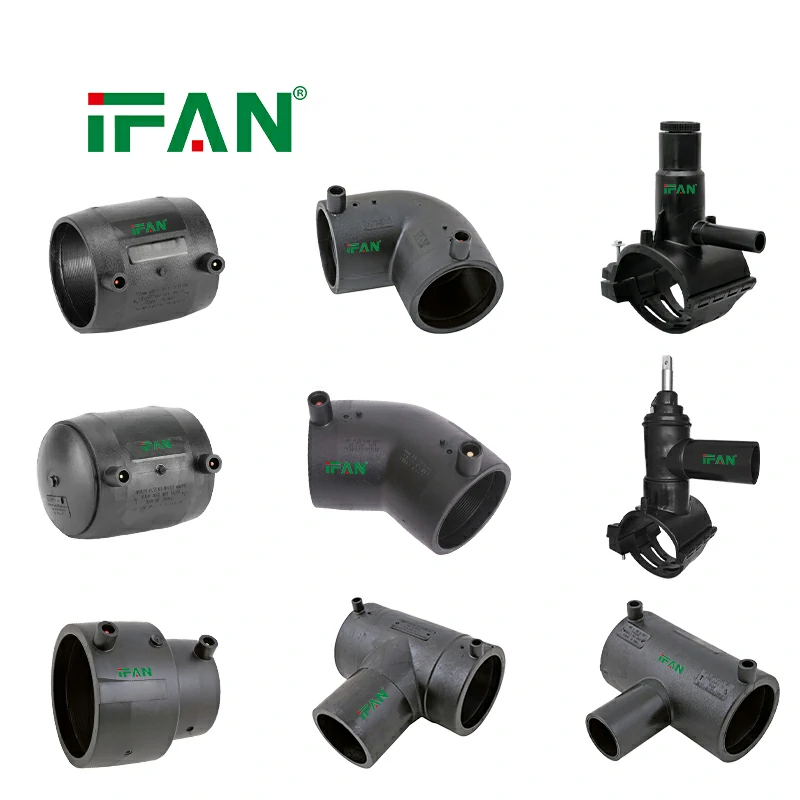
For HDPE water supply projects, buyers often need more than one type of fitting. Couplings, elbows, tees, reducers, and other pipe accessories may be required across different pipeline sections.
IFAN supplies plumbing products for international markets, including pipes, fittings, and valves for different water supply and piping applications.
With manufacturing experience and OEM/ODM support, IFAN works with distributors, wholesalers, and project buyers seeking product sourcing and customization solutions.
Whether you are purchasing PE electrofusion couplings for municipal water networks, residential developments, or commercial projects, clear product specifications and reliable supply arrangements are important.
Contact IFAN to discuss available product options, technical requirements, and customized supply solutions.
Conclusion
PE electrofusion couplings provide a practical connection method for compatible HDPE pressure pipes. Their electrically heated fusion process creates an integrated polyethylene joint without relying on conventional mechanical sealing alone.
They are used in municipal water distribution, residential supply systems, commercial buildings, and selected industrial pipeline applications.
Before purchasing, check the pipe outside diameter, SDR compatibility, material grade, pressure rating, fusion parameters, and applicable standards.
Correct surface preparation, controlled welding, and sufficient cooling are equally important. By selecting suitable fittings and following the manufacturer’s installation procedures, contractors can build more reliable polyethylene water supply systems.