HDPE pipes are widely used in modern gas distribution networks. Their flexibility, corrosion resistance, and long service life make them suitable for underground gas pipeline projects. However, the reliability of a gas pipeline depends on more than the pipe material. Every connection must also provide a secure and compatible joint.
HDPE electrofusion fittings are designed to connect polyethylene pipes through a controlled heat fusion process. They are commonly used in gas distribution systems where reliable joints and consistent installation quality are essential.
For contractors, distributors, and gas pipeline project buyers, understanding these fittings helps with product selection and project planning. This guide explains their working principles, main types, installation requirements, and purchasing considerations.
Why HDPE Electrofusion Fittings Are Used in Gas Pipelines
Gas distribution pipelines require carefully designed connections. A poorly selected or incorrectly installed fitting can affect the safety and performance of the entire system.
HDPE electrofusion fittings offer several practical advantages.
Reliable Fusion Connections
Electrofusion fittings contain embedded electrical heating elements. During installation, a dedicated control unit supplies energy to these elements.
The heat melts the contact surfaces of the fitting and pipe. After the specified fusion and cooling cycles, the materials form a unified joint.
Unlike mechanical connections, the fusion joint does not depend on external threads or rubber seals to maintain the connection.
Corrosion Resistance
HDPE materials do not rust like conventional steel. This makes them suitable for many buried gas distribution applications.
Electrofusion fittings made from compatible polyethylene materials also resist many forms of soil-related corrosion. This can reduce the need for additional corrosion protection at the joint.
Flexible Installation Options
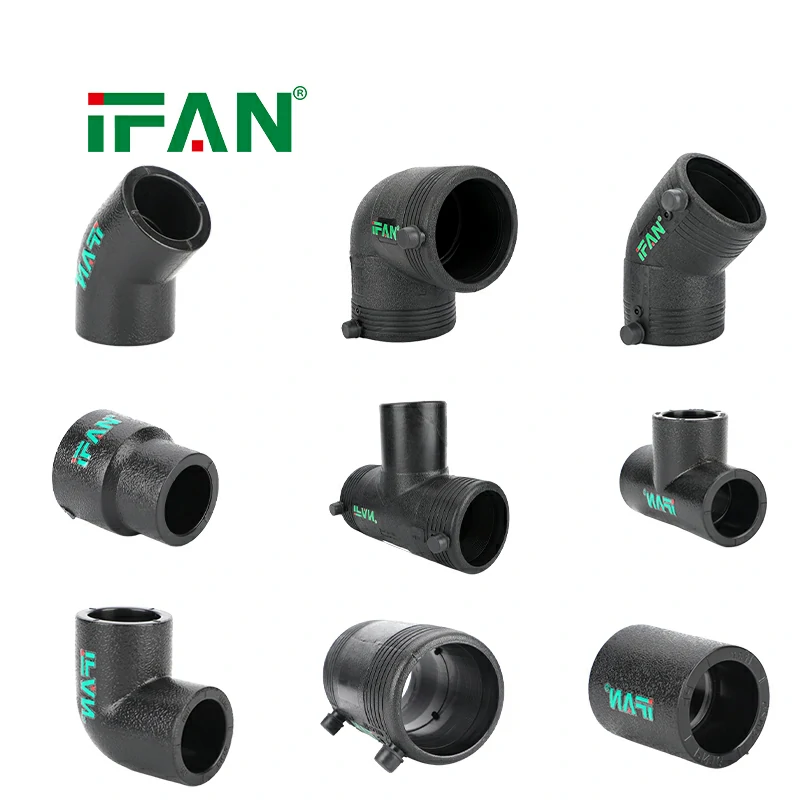
Underground gas networks often include straight sections, branches, direction changes, and service connections.
Different electrofusion fitting designs help installers handle these layouts. They can connect pipe sections, create branches, and adapt pipeline configurations.
Consistent Jointing Process
Electrofusion equipment controls the electrical energy supplied to the fitting. Many systems use barcode scanning to identify the required fusion parameters.
This supports a more controlled installation process. However, correct pipe preparation, equipment operation, and operator training remain essential.
Common Types of HDPE Electrofusion Fittings
Different pipeline layouts require different fitting configurations. Selecting the correct fitting helps maintain compatibility and installation quality.
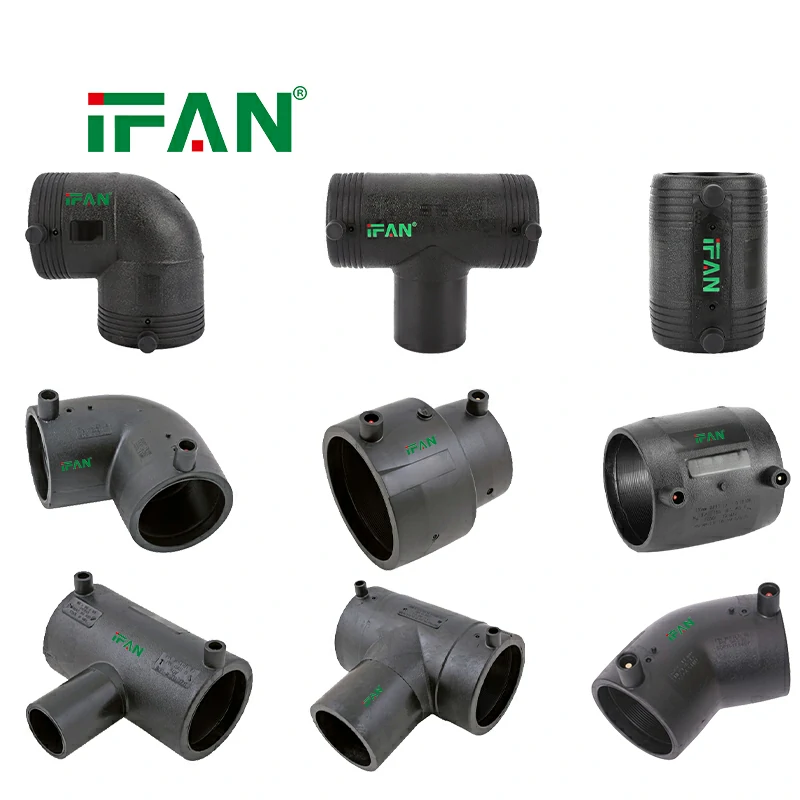
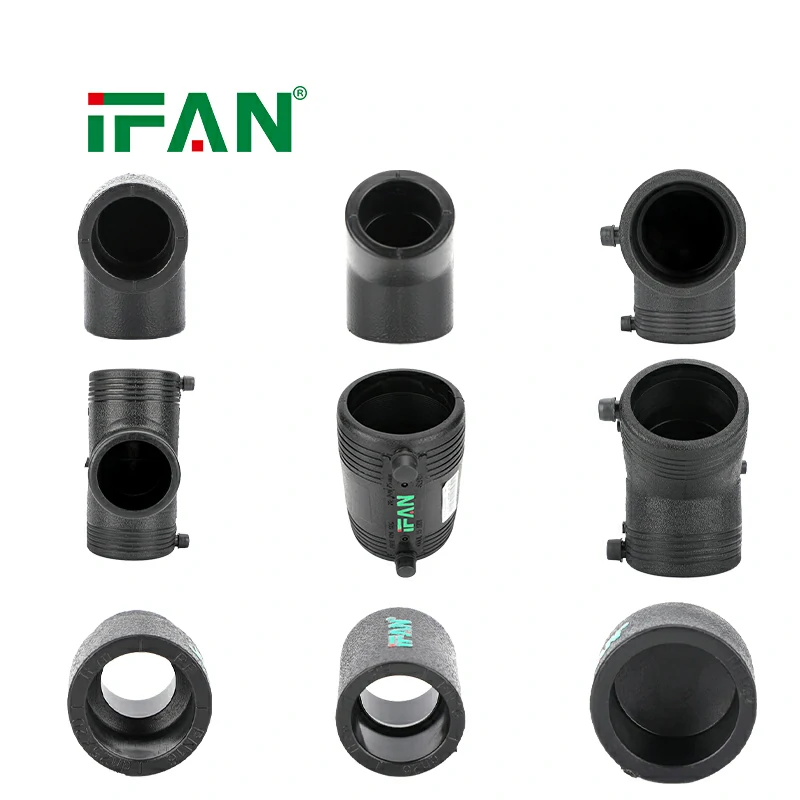
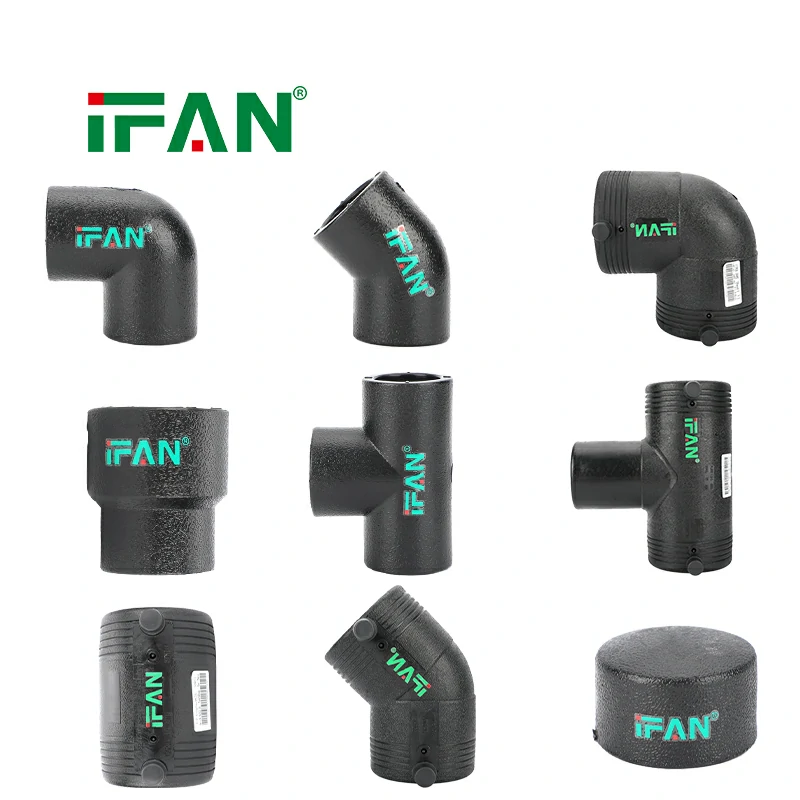
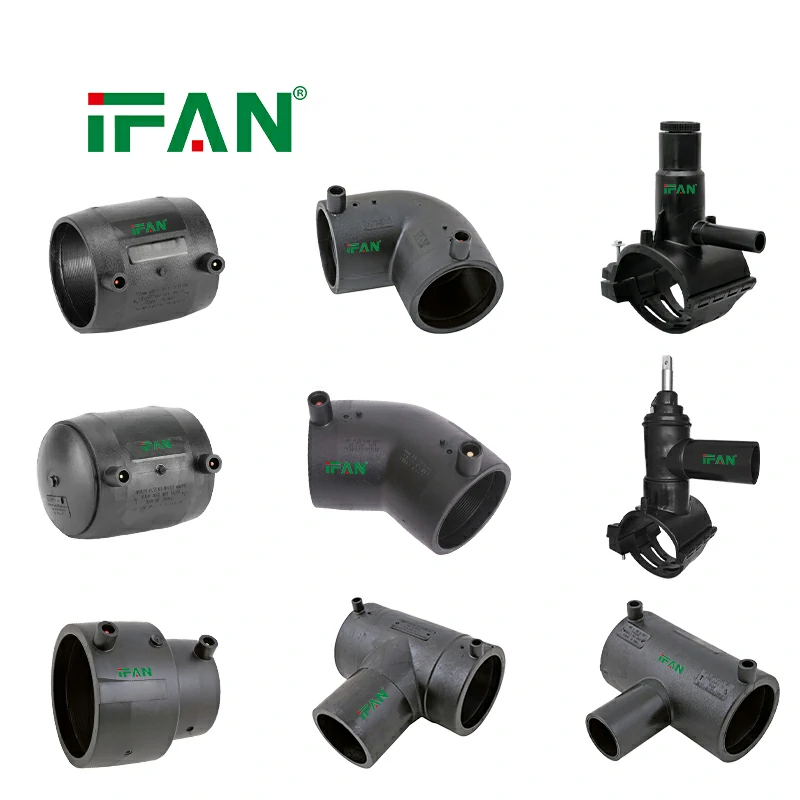
Electrofusion Couplings
Electrofusion couplings connect two compatible HDPE pipe ends of the same nominal outside diameter.
They are commonly used for straight pipeline connections and repairs. Their compact design makes them practical for underground installation.
Electrofusion Elbows
Electrofusion elbows change the direction of a pipeline. They are available in different angles and configurations.
The selected angle should match the engineering design. Installers must also consider the available working space and the manufacturer’s installation requirements.
Electrofusion Tees
Electrofusion tees create branch connections in a gas distribution network.
They allow a main pipeline to connect with a smaller branch line or another compatible pipe section. Branch connections must follow the approved pipeline design.
Electrofusion Reducers
Reducers connect compatible pipes with different outside diameters.
They help accommodate changes in pipeline size. Buyers should confirm the reducer’s dimensional range and pressure rating before ordering.
Electrofusion Branch Saddles
Branch saddles provide a connection point on an existing or newly installed main pipe.
Some designs support branch connections without cutting the main pipeline into two sections. Installation methods vary by product type.
For gas applications, the saddle must be specifically approved for the intended service and installed according to its manufacturer’s instructions.
How HDPE Electrofusion Fittings Work
Electrofusion is a controlled thermal joining process. It uses electrical resistance to generate heat inside the fitting.
The fitting contains a heating coil positioned near the joining surface. When connected to a compatible fusion control unit, the coil generates heat.
This heat melts the surfaces of the fitting and the prepared pipe. The molten polyethylene materials fuse together under the conditions established by the fitting design.
After the fusion cycle, the joint must remain undisturbed during the specified cooling period.
The result is a permanent connection between compatible polyethylene components.
The process requires more than simply connecting a power supply. Pipe dimensions, material compatibility, surface preparation, fusion parameters, and cooling conditions all affect joint quality.
HDPE Electrofusion Fittings Installation Process
Gas pipeline installation requires qualified personnel and approved procedures. The following overview explains the main stages. It is not a substitute for the applicable gas utility requirements or the fitting manufacturer’s installation instructions.
1. Check Pipe and Fitting Compatibility
Before installation, confirm that the pipe and fitting are suitable for the same gas service.
Check the outside diameter, material designation, SDR range, pressure rating, and applicable product approvals.
Do not assume that two products are compatible simply because their nominal sizes match.
2. Prepare the Pipe Surface
Pipe preparation is one of the most important stages of electrofusion installation.
The installer must cut the pipe squarely and mark the required insertion depth. The specified surface layer must then be removed using an approved mechanical scraping tool.
This removes the oxidized outer layer and exposes suitable material for fusion.
Cleaning must follow the fitting manufacturer’s approved procedure. Prepared surfaces should remain protected from dirt, moisture, and accidental contact.
3. Position and Secure the Components
Insert the prepared pipe into the fitting to the marked depth.
Use suitable alignment clamps or positioning equipment to prevent movement during fusion.
Misalignment or movement can affect the quality of the connection.
4. Perform the Electrofusion Cycle
Connect the fitting to a compatible electrofusion control unit.
Use the fusion parameters specified by the manufacturer. If the fitting uses barcode identification, scan the code with the designated equipment.
The control unit then supplies the required electrical energy for the fusion cycle.
Installers must not substitute estimated heating times or electrical settings for approved parameters.
5. Allow the Joint to Cool
After the fusion cycle, keep the joint secured for the specified cooling period.
Do not move, load, or disturb the connection before the manufacturer permits it.
Cooling requirements vary according to fitting design, size, and installation conditions.
6. Inspect and Record the Connection
After cooling, inspect the joint according to the approved procedure.
Check alignment, insertion depth, fitting condition, and any available fusion indicators. Record the required installation information for project traceability.
Any joint that fails inspection must be handled under the applicable repair or rejection procedure.
Important Quality Requirements for Gas Pipeline Projects
Gas pipeline systems require strict control over product quality and installation practices. Several factors deserve particular attention.
Material suitability: Fittings must use polyethylene materials approved for the intended gas service. Material compatibility should be confirmed through technical documentation.
Dimensional accuracy: The fitting must match the specified pipe outside diameter and compatible SDR range. Incorrect dimensions can affect insertion and fusion quality.
Manufacturing consistency: Stable heating coil placement, accurate dimensions, and consistent material properties are important for reliable production.
Fusion traceability: Project records should identify the fitting, pipe, equipment, operator, and fusion parameters where required.
Installation qualification: Personnel should receive appropriate training and follow the procedures approved by the gas utility or project authority.
Testing and commissioning: Completed pipelines must undergo the required inspection and testing before being placed into service. Testing methods and acceptance criteria must follow applicable regulations and approved project procedures.
Standards and Certifications to Consider
Standards help establish requirements for materials, dimensions, performance, and testing. However, gas pipeline projects must use standards and approvals that apply to the specific country and application.
Relevant standards may include:
- ISO 4437: Polyethylene piping systems for the supply of gaseous fuels.
- EN 1555: Plastic piping systems for the supply of gaseous fuels, including polyethylene system components.
- ASTM F1055: Electrofusion-type polyethylene fittings for outside diameter-controlled polyethylene pipe and tubing.
- Applicable national gas regulations: Local authorities and gas utilities may impose additional product approval and installation requirements.
Buyers should check the current editions and exact scope of each standard. A product’s general compliance statement does not automatically establish approval for every gas pipeline project.
Always request the relevant technical documents, test reports, and market-specific approvals before procurement.
How to Choose the Right HDPE Electrofusion Fittings
Selecting fittings for a gas distribution project requires more than comparing prices.
Confirm the Application
First, identify whether the fittings are intended for natural gas or another approved gaseous fuel application.
Water-service fittings should not be assumed suitable for gas pipelines. Confirm the product’s declared application and approvals.
Check Size and SDR Compatibility
Review the pipe outside diameter and SDR requirements in the project specification.
The fitting must be designed for the intended pipe system. Confirm the manufacturer’s compatibility information before placing an order.
Review Pressure Ratings
Pressure ratings depend on material classification, fitting design, temperature, and applicable standards.
Choose products that meet the project’s design requirements. Do not rely on nominal size alone when evaluating pressure capability.
Evaluate Manufacturer Quality
A reliable supplier should provide clear product identification and technical documentation.
Important purchasing checks include:
- Material specifications and product markings.
- Applicable gas-service approvals.
- Dimensional inspection records.
- Relevant performance and test documentation.
- Fusion instructions and parameter information.
- Stable production and supply capabilities.
Consider Project Supply Requirements
Large pipeline projects may require several fitting types and sizes.
Confirm available specifications, packaging, lead times, and order quantities. Consistent supply can help reduce procurement delays.
Common Installation Mistakes to Avoid
Even high-quality fittings can produce poor results when installation procedures are not followed.
Common problems include:
- Skipping mechanical scraping or removing too little material.
- Using unsuitable cleaning materials.
- Allowing prepared surfaces to become contaminated.
- Inserting pipes beyond or short of the specified depth.
- Failing to secure the joint during fusion.
- Using incorrect fusion parameters.
- Moving the joint before the required cooling period.
- Mixing incompatible pipes, fittings, or fusion equipment.
These issues can compromise joint integrity. Gas pipeline installation should always be performed by qualified personnel under the approved project procedures.
IFAN: A Plumbing Products Manufacturer and Supplier
Choosing a capable manufacturer is an important part of project procurement. Buyers need consistent product quality, clear specifications, and dependable communication.
IFAN supplies a range of plumbing and piping products for different market requirements. Its product range includes plastic pipes, pipe fittings, and valves.
With manufacturing experience and OEM/ODM support, IFAN works with customers on product specifications and customized requirements.
For buyers sourcing piping products, it is important to confirm the exact gas-service requirements before ordering. Product availability, technical specifications, and approvals should be checked against the intended project.
Contact IFAN to discuss your product requirements and explore suitable supply options for your market.
Conclusion
HDPE electrofusion fittings play an important role in polyethylene gas distribution systems. Couplings, elbows, tees, reducers, and branch saddles support different pipeline configurations.
Their performance depends on compatible materials, correct dimensions, approved fusion equipment, and proper installation procedures.
For contractors and distributors, selecting fittings with suitable gas-service approvals is essential. Working with qualified installers and reliable manufacturers also helps support long-term pipeline performance.
Before purchasing, review the applicable standards, technical documents, and project specifications. This helps ensure that the selected HDPE electrofusion fittings meet the requirements of the intended gas pipeline installation.