Introduction:
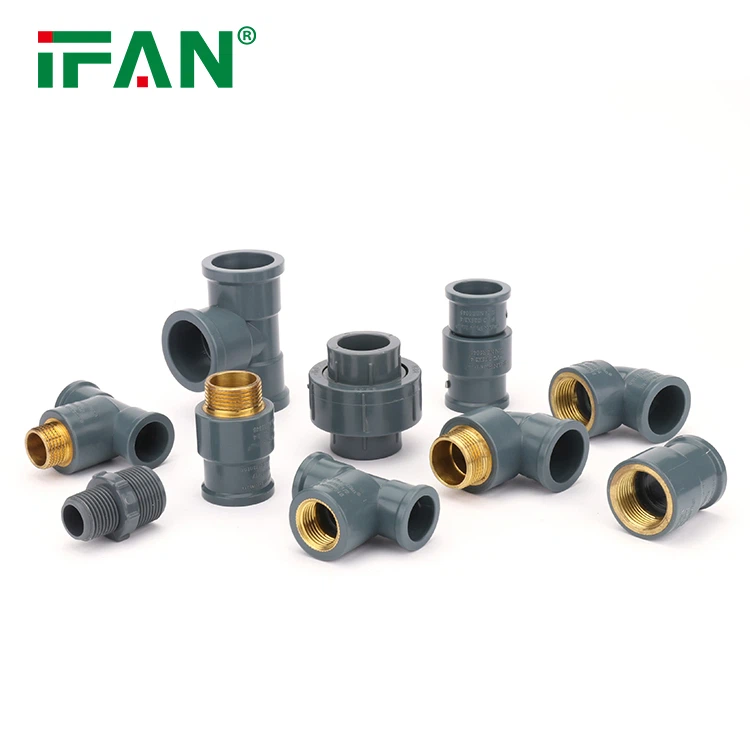
UPVC (Unplasticized Polyvinyl Chloride) fittings are widely used in plumbing and drainage systems for their exceptional properties and advantages. This article aims to explore the applications and benefits of UPVC fittings in the field of plumbing and drainage engineering.
1. Versatility In Applications:
UPVC fittings find extensive use in various applications within plumbing and drainage systems, including:
– Water supply pipelines
– Wastewater drainage systems
– Rainwater harvesting and drainage
– Underground pipe networks
– Irrigation systems
– Sewerage systems
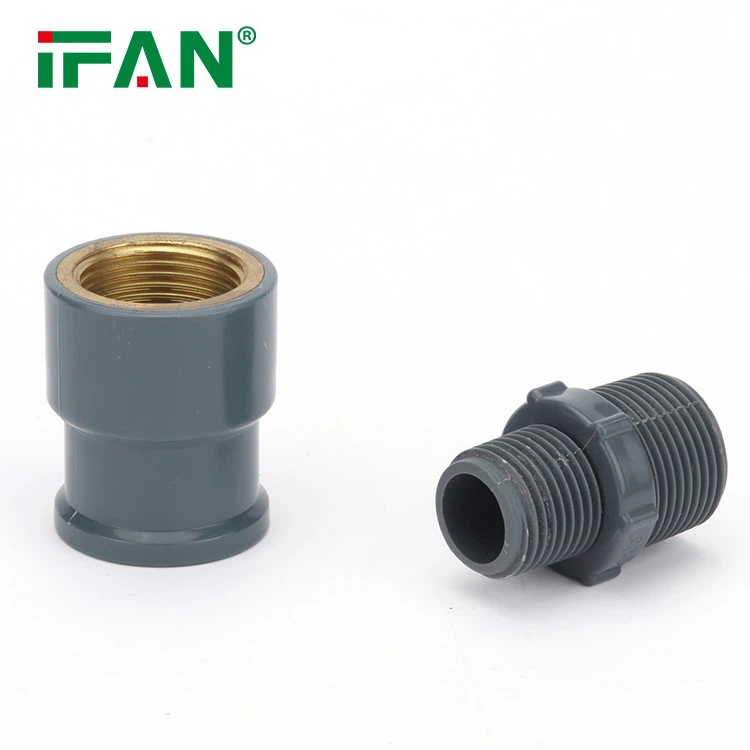
2. Corrosion Resistance:
One of the key advantages of UPVC fittings is their excellent resistance to corrosion. Unlike metal fittings, UPVC does not rust or corrode when exposed to moisture or chemicals commonly found in plumbing systems. This corrosion resistance ensures the longevity and durability of the entire plumbing and drainage infrastructure.
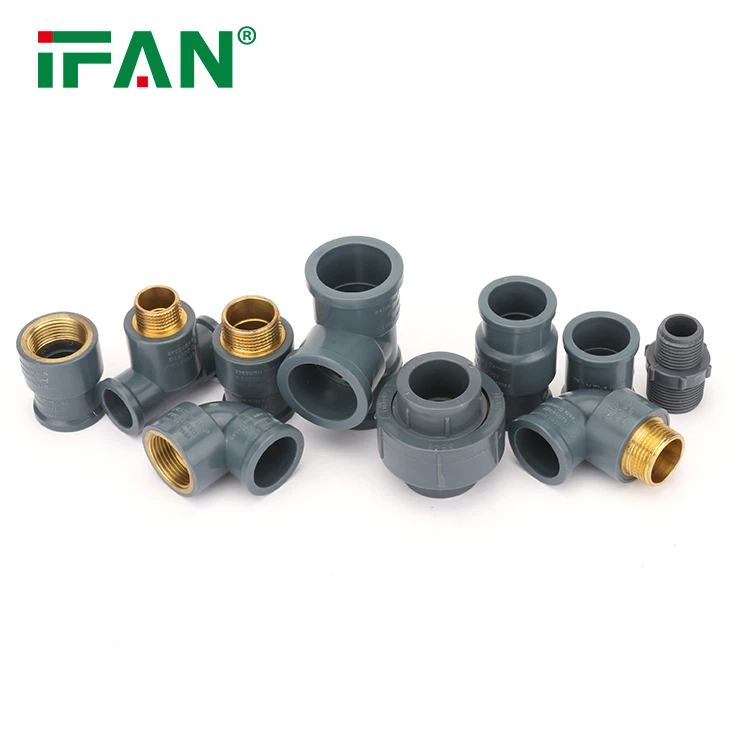
3. Smooth And Efficient Flow:
UPVC fittings offer a smooth inner surface that minimizes friction and enables efficient fluid flow. The smooth surface prevents the accumulation of sediments, scale, or debris, resulting in improved hydraulic performance and reduced maintenance requirements. It ensures a reliable and uninterrupted flow of water, making it ideal for both residential and commercial applications.
4. High Strength And Durability:
UPVC fittings possess high strength and durability, making them suitable for long-term use. They can withstand high-pressure conditions without deformation or leakage, ensuring a secure and leak-free plumbing system. UPVC fittings also exhibit excellent resistance to impact and do not break easily, even under harsh environmental conditions.
5. Chemical Resistance:
UPVC fittings are highly resistant to various chemicals, acids, and alkalis encountered in plumbing systems. This property makes them suitable for use in industrial applications where exposure to aggressive substances is common. Additionally, UPVC fittings do not react with the transported fluids, ensuring the integrity and cleanliness of the water supply or drainage system.
6. Easy Installation And Maintenance:
UPVC fittings are lightweight and easy to handle, making installation a convenient process. They can be easily joined using solvent cement or threaded connections, reducing installation time and effort. The low maintenance requirement of UPVC fittings is an added advantage, as they do not require regular painting or coating like metal fittings.
7. Cost-Effective Solution:
UPVC fittings offer a cost-effective solution for plumbing and drainage systems. The relatively low material and installation costs, combined with their long lifespan and minimal maintenance requirements, result in significant savings over time. Moreover, UPVC fittings have excellent energy efficiency properties, reducing heat loss in hot water distribution systems, further contributing to cost savings.