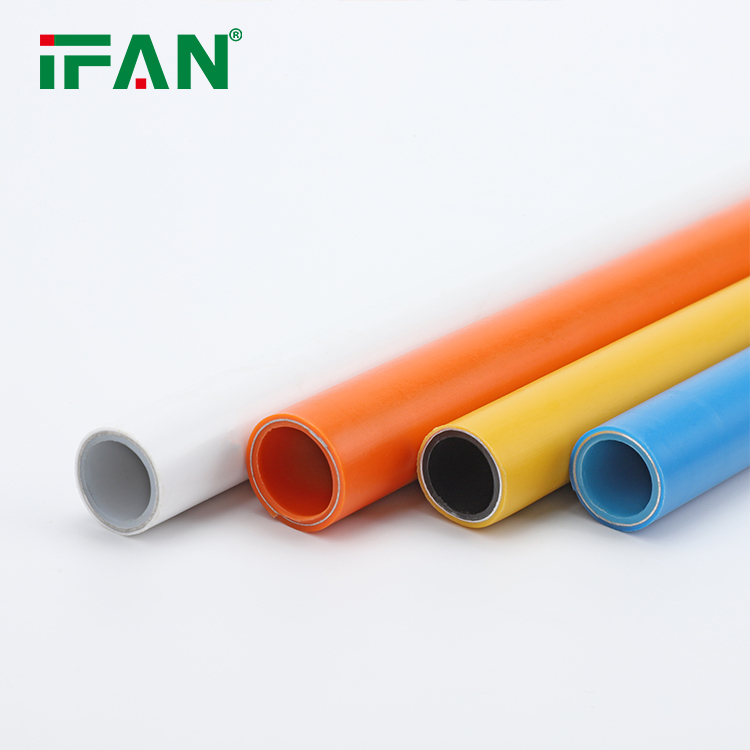
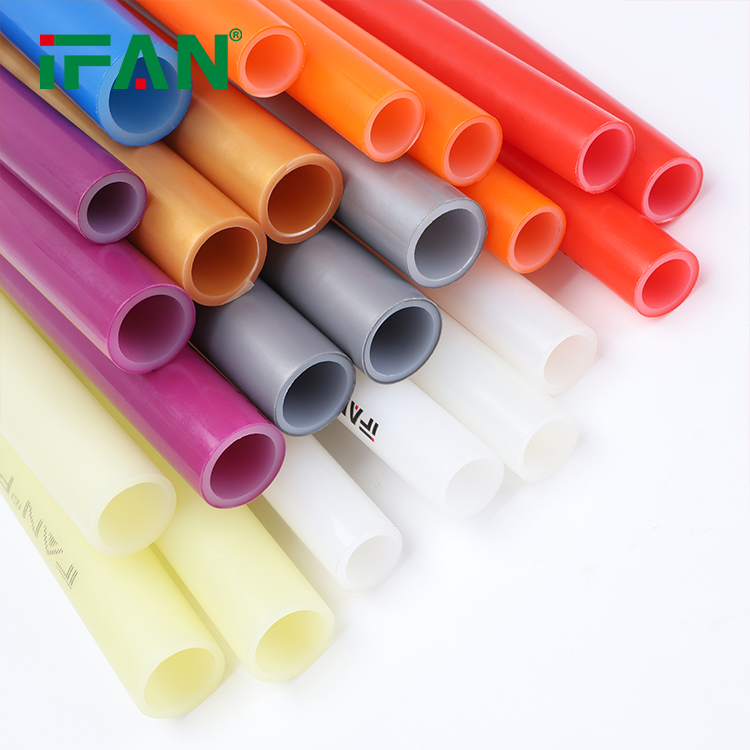
What is PP Piping?
PP piping is a type of plastic piping commonly used for fluid transfer applications in various industries. PP stands for polypropylene, a thermoplastic polymer that is characterized by its high resistance to corrosion, chemical attacks, and heat. PP piping is lightweight, easy to install, and requires minimal maintenance, making it a popular choice for many industrial applications.
Properties of PP Piping
PP piping has numerous properties that make it a highly desirable material for fluid transfer applications. Firstly, it has excellent chemical resistance, meaning that it can withstand exposure to various chemicals including acids, bases, and solvents. Secondly, it has a high-temperature resistance, making it an ideal choice for applications that involve high-temperature fluids. PP piping is also resistant to UV rays and can be used in outdoor installations without degradation. PP piping is lightweight and has a smooth inner surface that can reduce frictional losses. Finally, PP piping is very stiff and provides excellent impact resistance and stress cracking resistance.
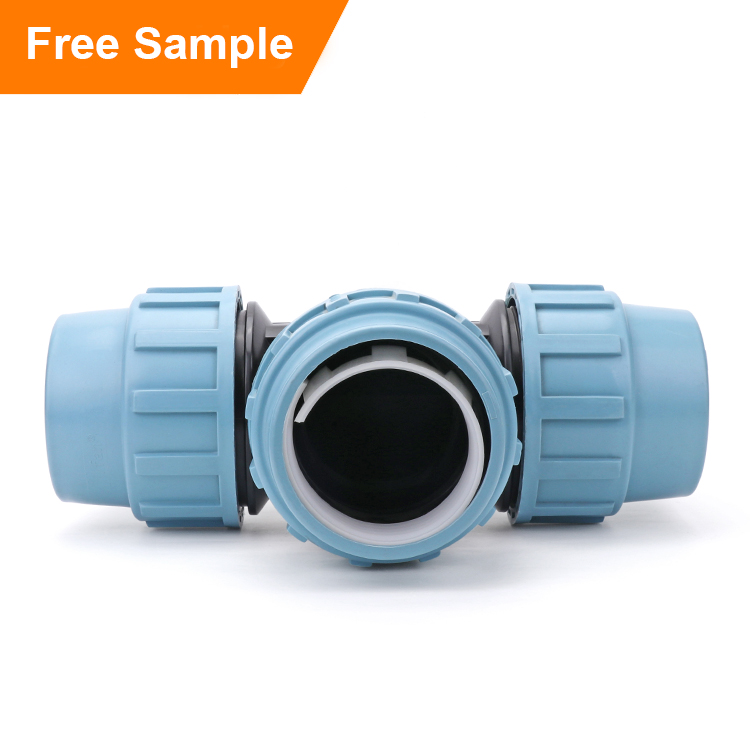
Applications of PP Piping
PP piping is widely used in various industries for fluid transfer applications. It is commonly used in water treatment plants, chemical processing facilities, laboratory applications, and in the petrochemical, pharmaceutical, food, and beverage industries. PP piping is also used for wastewater treatment, gas distribution, and drainage systems. Due to its UV resistance, PP piping is commonly used for outdoor applications, such as water supply systems for sports fields. PP piping is preferred for fluid transfer applications due to its high resistance to corrosion, minimal wear and tear, and long service life.
Advantages of PP Piping
PP piping has numerous advantages that make it an ideal choice for many industries. Firstly, it is lightweight and easy to install, which reduces labor costs and installation time. Secondly, it is highly resistant to corrosion and chemical attacks, which eliminates the need for costly maintenance routines. PP piping’s resistance to wear and tear reduces the need for frequent replacements. Additionally, PP piping is a cost-effective solution, with low installation and maintenance costs, which makes it ideal for budget-conscious applications.
Conclusion
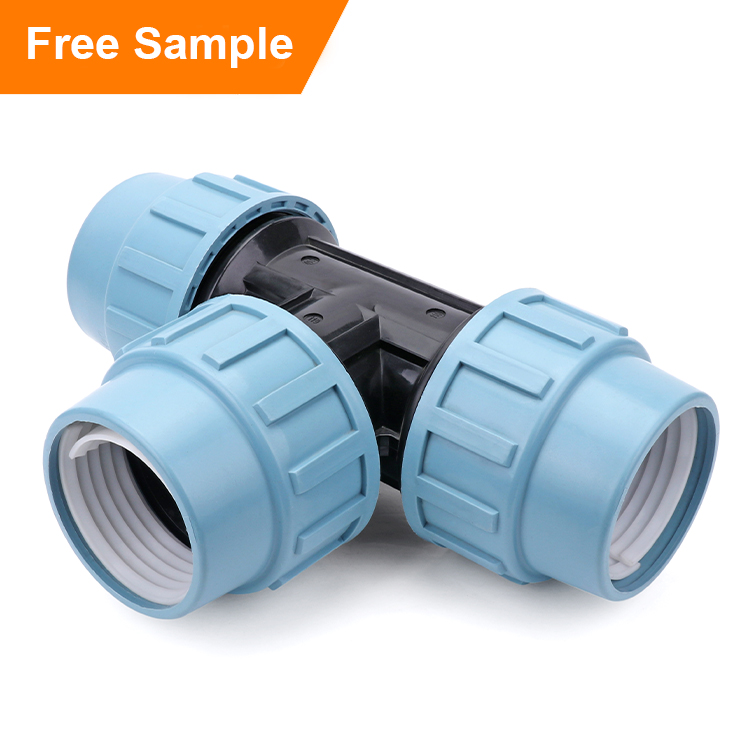
In summary, PP piping is a popular choice for fluid transfer applications due to its high resistance to corrosion, chemical attacks, and heat. PP piping’s numerous properties make it an ideal choice for many industries, including water treatment, chemical processing, and petrochemicals. The advantages of PP piping, including its lightweight nature, longevity, and economical cost, make it an excellent choice for fluid transfer applications. As plastic piping continues to grow in popularity, PP piping will undoubtedly continue to be a crucial material in the industrial world.