What is PP Insulation for Pipe?
A Comprehensive Look!
PP insulation for pipe is the latest addition in the world of insulation. Polypropylene (PP) is a thermoplastic polymer that has been engineered to provide insulation material that can be used in various applications, including pipes.
In this article, we will take a comprehensive look at what PP insulation for pipe is, its uses, benefits, and other essential information.
What is PP Insulation for Pipe?
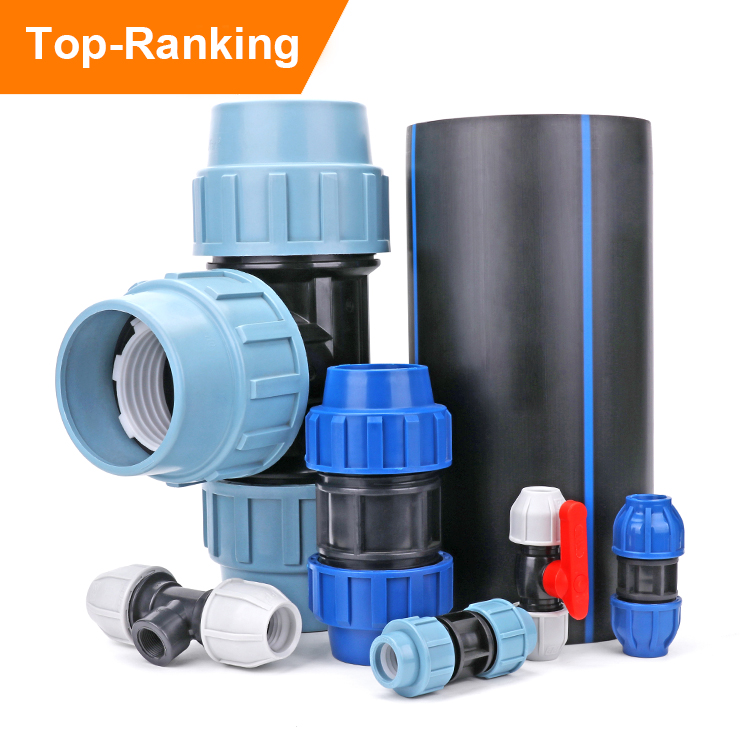
PP insulation for pipe is a type of insulation material that is constructed using polypropylene. PP is a thermoplastic polymer that is lightweight, durable, and recyclable. The insulation material is designed to provide superior thermal performance and protection against moisture and corrosion.
Uses of PP Insulation for Pipe
The PP insulation for pipe is mainly used in the insulation of heating and cooling pipes, including HVAC systems, domestic water supply pipes, and process heat pipes. The insulation provides a barrier against heat loss, which can result in energy savings in heating and cooling systems.
The use of PP insulation for pipe is also popular in the oil and gas industry, particularly for offshore pipelines. The insulation material provides protection against corrosion in harsh environments and helps maintain the temperature of the fluids being transported.
Benefits of PP Insulation for Pipe
The use of PP insulation for pipe has many benefits, including:
- Energy Efficiency – PP insulation for pipe can reduce heat loss, resulting in energy efficiency in heating and cooling systems.
- Corrosion Resistance – PP insulation for pipe provides protection against corrosion in harsh environments.
- Moisture Barrier – The insulation material provides an effective moisture barrier, which helps prevent condensation and mold growth.
- Durability – PP insulation for pipe is durable, lightweight, and long-lasting.
Conclusion
In summary, PP insulation for pipe is a versatile insulation material that provides excellent thermal performance and protection against moisture and corrosion. It is ideal for use in heating and cooling systems, process heat pipes, domestic water systems, and offshore pipelines. Its numerous benefits make it a popular choice in many industries.