Can you run hot water through CPVC pipe?

Can you run hot water through CPVC pipe?

CPVC (chlorinated polyvinyl chloride) pipes are specifically designed to handle hot water. Here are some important considerations regarding the use of CPVC pipes for hot water applications:

1. Temperature Resistance: CPVC pipes have a higher temperature resistance compared to standard PVC pipes. They can handle hot water at temperatures up to 200°F (93°C) without significant degradation or loss of mechanical properties.

2. Hot Water Supply Systems: CPVC pipes are commonly used for hot water supply systems in residential, commercial, and industrial applications. They offer reliable performance, durability, and resistance to the high temperatures associated with hot water distribution.

3. Code Compliance: CPVC pipes are approved for use in hot water systems and comply with relevant building codes and standards. It is important to follow local codes and regulations to ensure proper installation and use of CPVC pipes for hot water applications.

4. Thermal Expansion: CPVC pipes have a higher coefficient of thermal expansion compared to metal pipes. This means they expand and contract more significantly with temperature changes. Proper allowances should be made to accommodate thermal expansion and contraction, ensuring the pipes are adequately supported and avoiding unnecessary stress on the system.
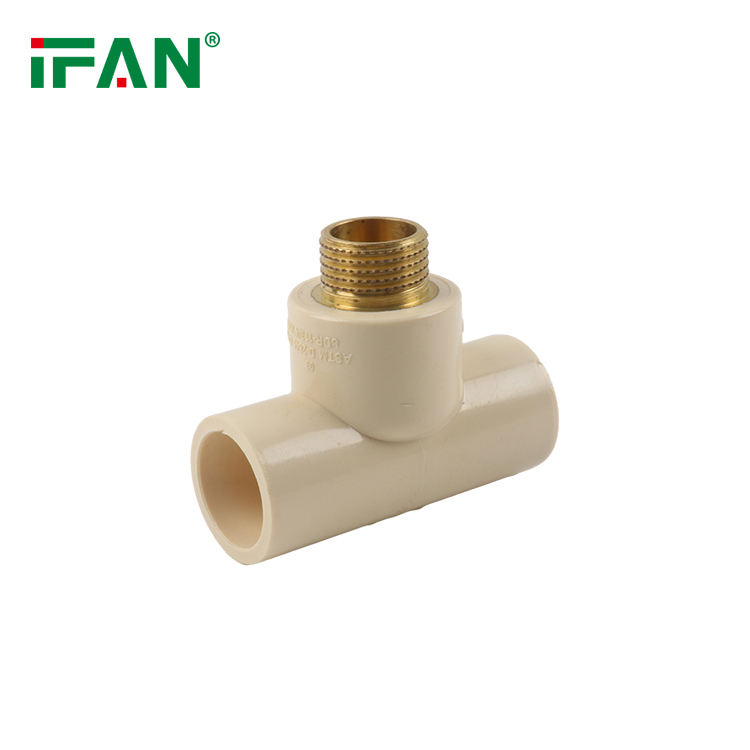
It is important to note that CPVC pipes should be specifically designated for hot water use when selecting and installing them in hot water systems. Following manufacturer instructions, adhering to local codes, and using appropriate fittings and solvent cement will help ensure the safe and reliable transportation of hot water through CPVC pipes.
Share:

Facebook
Twitter
Pinterest
LinkedIn

Leave a Comment

Your email address will not be published. Required fields are marked *

On Key

Related Posts

Inside IFAN Brass Ball Valves: Ball, Stem and Seat Assembly

Inside IFAN Brass Ball Valves: Ball, Stem and Seat Assembly

The Internal Mechanics That Determine Valve Performance The outer body of a brass ball valve provides structural support and connection points, but the actual control of fluid flow happens entirely within its core assembly. The ball, stem, and seats form a unified mechanism that must operate smoothly and seal tightly over thousands of open-and-close cycles.

Forged vs Cast Brass Ball Valve Body Construction

Forged vs Cast Brass Ball Valve Body Construction

The Structural Difference That Defines Valve Reliability When selecting a brass ball valve, buyers often focus on pressure ratings and seal materials. However, the manufacturing method of the valve body itself is a critical factor that determines how the valve will perform over its lifespan. The two primary methods for producing brass valve bodies are

Chrome-Plated Brass Ball Valve Surface Treatment Explained

Why Surface Treatment Dictates Valve Longevity In plumbing and industrial fluid systems, the internal components of a valve handle the pressure, but the external surface determines how well it survives its environment. A standard brass ball valve offers excellent mechanical strength, yet raw brass is susceptible to tarnishing and oxidation when exposed to moisture, humidity,

How IFAN Brass Ball Valves Maintain Sealing Under High Pressure

How IFAN Brass Ball Valves Maintain Sealing Under High Pressure

The Mechanics of Pressure Resistance in Brass Valves In pressurized water and fluid systems, the valve is often the most vulnerable component. A failure here can lead to catastrophic water damage, system downtime, and costly repairs. Maintaining a reliable seal under high pressure requires a combination of precise engineering, high-quality materials, and robust design. IFAN

Stainless Steel Corrugated Flexible Pipe

Stainless Steel Corrugated Flexible Pipe for Plumbing Systems

Modern plumbing systems need piping materials that are durable, adaptable, and suitable for different installation environments. Stainless steel corrugated flexible pipe offers a practical solution where conventional rigid pipes may be difficult to route or connect. Its corrugated structure allows the pipe to bend while maintaining a continuous metal wall. This flexibility can simplify plumbing

Get Free Quote NOW