Are PPR pipe fittings resistant to chemicals and corrosion?

Are PPR pipe fittings resistant to chemicals and corrosion?

Yes, PPR (Polypropylene Random Copolymer) pipe fittings are resistant to chemicals and corrosion. Here are some key points regarding the chemical resistance and corrosion resistance properties of PPR pipe fittings:
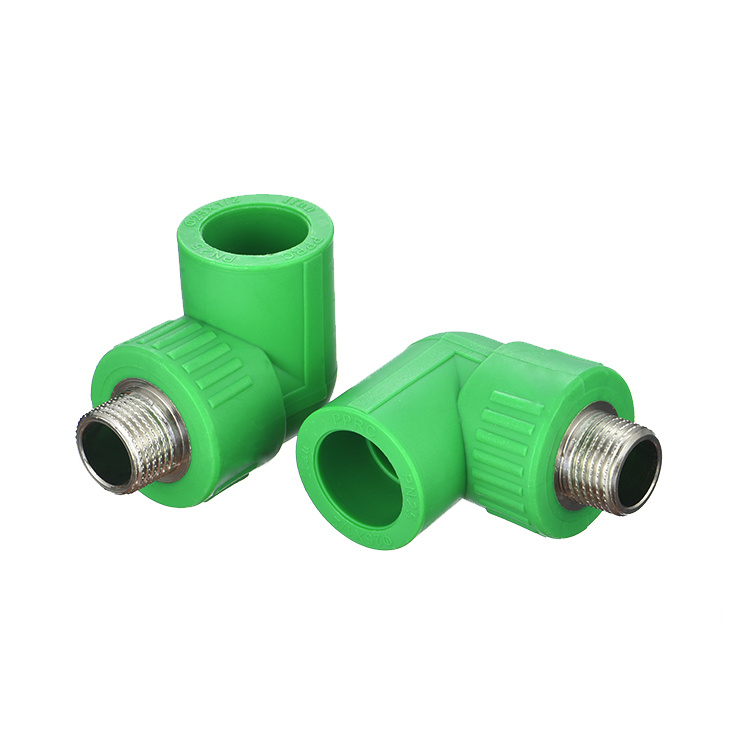
1. Chemical Resistance: PPR pipe fittings exhibit excellent resistance to a wide range of chemicals commonly found in plumbing systems. They can withstand exposure to acids, alkalis, organic solvents, and various chemical compounds without degradation or corrosion.

2. Acid Resistance: PPR pipe fittings are resistant to both organic and inorganic acids, including hydrochloric acid, sulfuric acid, nitric acid, and acetic acid.

3. Alkali Resistance: PPR pipe fittings can withstand exposure to alkalis such as sodium hydroxide, potassium hydroxide, and ammonia without being affected.

4. Organic Solvent Resistance: PPR pipe fittings are resistant to many organic solvents, including alcohols, ketones, esters, and hydrocarbons.

5. Corrosion Resistance: PPR pipe fittings are not prone to corrosion like metal pipe fittings. They do not rust or corrode, ensuring the integrity of the plumbing system over time.

6. Longevity: PPR pipe fittings have a long lifespan, thanks to their resistance to chemicals and corrosion. When used within their specified temperature and pressure limits and installed correctly, they can maintain their performance and durability for many years.

It is essential to consider the specific chemicals and their concentrations that will be present in the plumbing system and ensure that the PPR pipe fittings are suitable for the intended application. Adhering to manufacturer guidelines, local building codes, and best installation practices will help ensure the chemical resistance and corrosion resistance properties of PPR pipe fittings are fully utilized.
Share:

Facebook
Twitter
Pinterest
LinkedIn

Leave a Comment

Your email address will not be published. Required fields are marked *

On Key

Related Posts

Radiant Heating Pipe

IFAN Radiant Heating Pipe Corrosion Resistant

Introduction Radiant heating systems continue to gain popularity in modern construction because they deliver uniform heat distribution, energy efficiency, and long-term reliability. At the core of these systems, the pipe material plays a decisive role in performance and durability. When users search for “IFAN radiant heating pipe corrosion resistant,” they often want to understand how

Floor Heating Pipe

IFAN Floor Heating Pipe for Hot Water Systems

Introduction Floor heating systems have become a popular choice for modern residential and commercial buildings. Many users now prefer this solution because it delivers uniform heat distribution and improves indoor comfort. When designing a reliable system, selecting the right floor heating pipe for hot water systems plays a critical role. High-quality pipes ensure stable performance,

Durable Floor Heating Pipe

IFAN Durable Floor Heating Pipe Long Service Life

Introduction Floor heating systems have gained strong popularity in modern construction because they provide consistent warmth, energy efficiency, and enhanced comfort. At the core of every reliable system stands a durable floor heating pipe with long service life. Choosing the right pipe material directly affects performance, maintenance costs, and system longevity. This article explains how

Flexible Floor Heating Pipe

IFAN Flexible Floor Heating Pipe Easy Installation

Introduction Floor heating systems continue to gain popularity in residential and commercial buildings due to their comfort, energy efficiency, and clean design. Among the key components, the choice of pipe directly affects installation efficiency and long-term performance. The IFAN flexible floor heating pipe stands out as a practical solution for installers who need reliability and

Get Free Quote NOW