The Art of Making Brass Fittings
Introduction
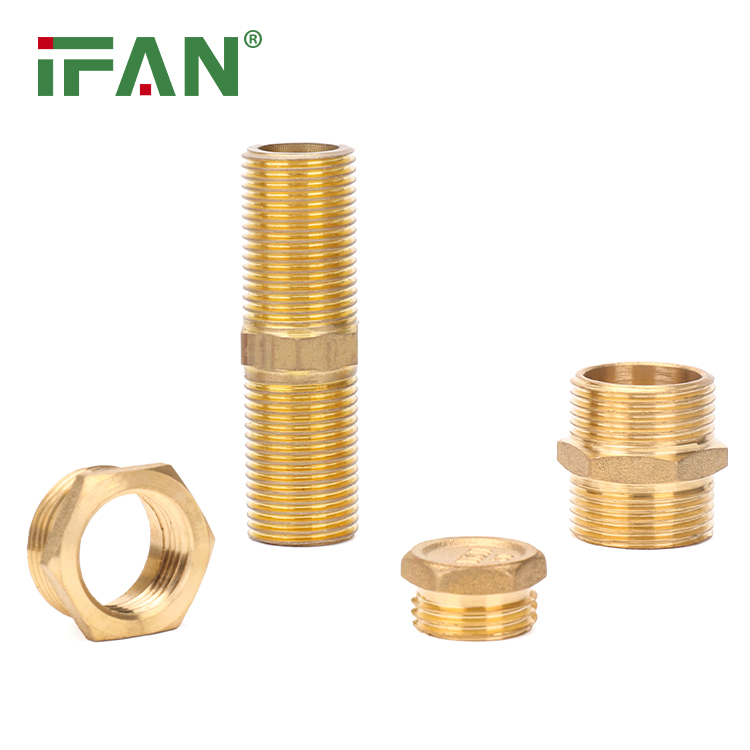
Brass fittings have been an essential component in various industries, particularly plumbing and automotive manufacturing. The process of making these fittings involves intricate craftsmanship combined with advanced technology. In this article, we will delve into the art of making brass fittings, exploring the materials used, the manufacturing process, and the importance of quality craftsmanship.
Materials Used in Brass Fittings
Brass, a versatile alloy composed of copper and zinc, serves as the primary material in the production of fittings. The alloy’s unique properties, such as durability, corrosion resistance, and malleability, make it ideal for manufacturing high-quality fittings. Additionally, other elements, including lead, tin, and aluminum, are sometimes added to enhance specific characteristics or meet industry requirements.
Manufacturing Process
- Metal Preparation
The first step in making brass fittings is acquiring the raw material in the form of brass rods or bars. These rods undergo a series of processes like cutting and shaping, ensuring they are of the correct dimensions for further manufacturing.
- Heating and Forging
Once the rods are ready, they are heated to high temperatures to soften the brass. This allows the craftsmen to forge or shape the metal using various tools and techniques. Skilled artisans carefully mold the heated brass into the desired fitting shapes, maintaining precision throughout the process.
- Machining and Finishing
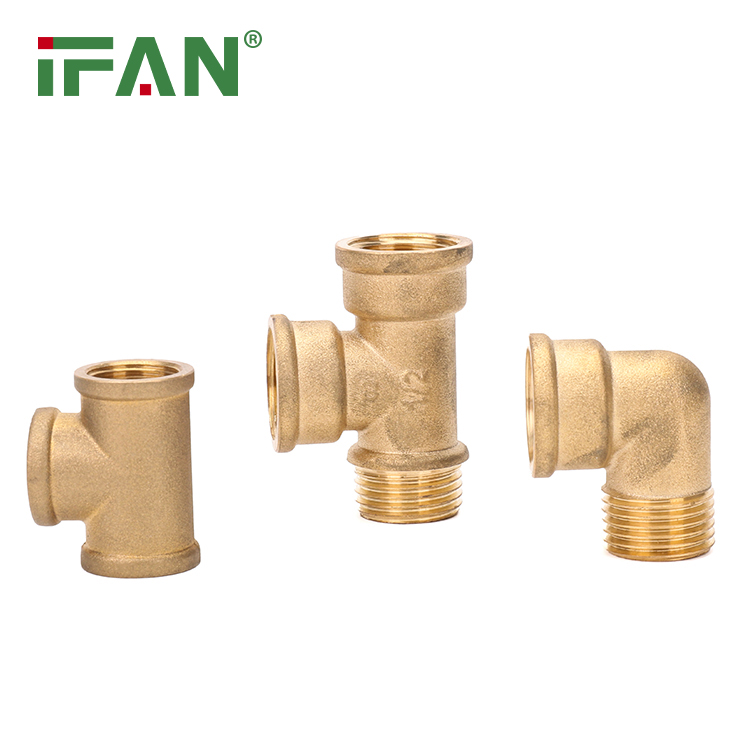
After forging, the fittings go through machining processes such as drilling, tapping, and threading. These steps ensure that the fittings have accurate dimensions and the necessary threads for connecting to other components. Furthermore, the fittings undergo finishing treatments, including polishing and plating, to enhance their appearance and provide additional protection against corrosion.
Importance of Quality Craftsmanship
Craftsmanship plays a vital role in the production of brass fittings, as it determines the quality and reliability of the final product. Skilled artisans with years of experience meticulously craft each fitting, ensuring it meets industry standards. Attention to detail is essential to ensure proper functionality, leak-free connections, and long-lasting performance.
Moreover, the art of making brass fittings requires a deep understanding of the industry’s evolving needs, such as new plumbing or automotive system designs. Craftsmen must adapt to technological advancements, utilizing modern machinery and tools while preserving traditional craftsmanship techniques.
Conclusion
The art of making brass fittings showcases the perfect blend of traditional craftsmanship and modern manufacturing techniques. From the selection of raw materials to the final finishing touches, each step in the process contributes to the production of high-quality fittings. The durability, reliability, and aesthetic appeal of brass fittings make them a preferred choice in countless industrial applications. As technology continues to advance, the art of making brass fittings will continue to evolve, ensuring the production of fittings that meet the ever-changing demands of various industries.