The Impact of Brass Fittings on Water Quality
Introduction
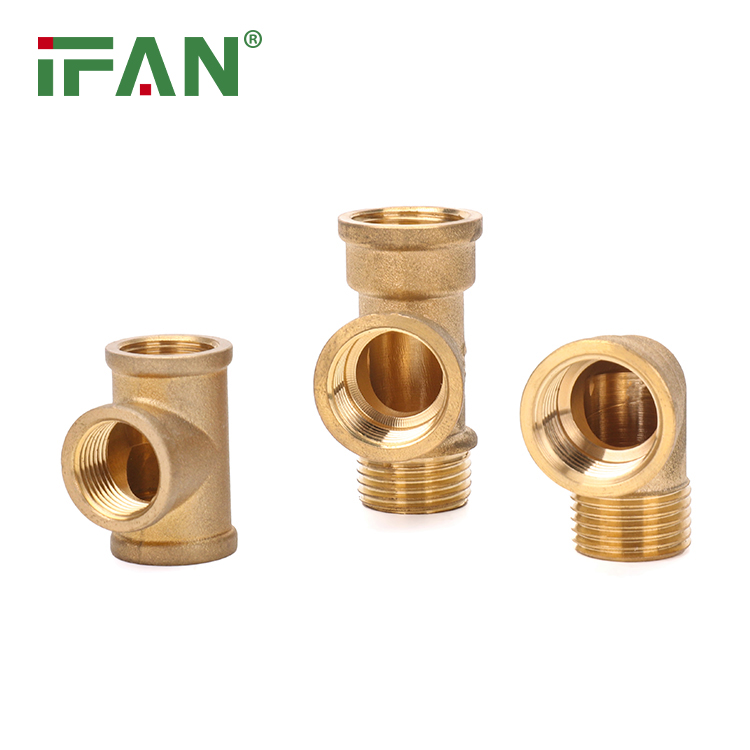
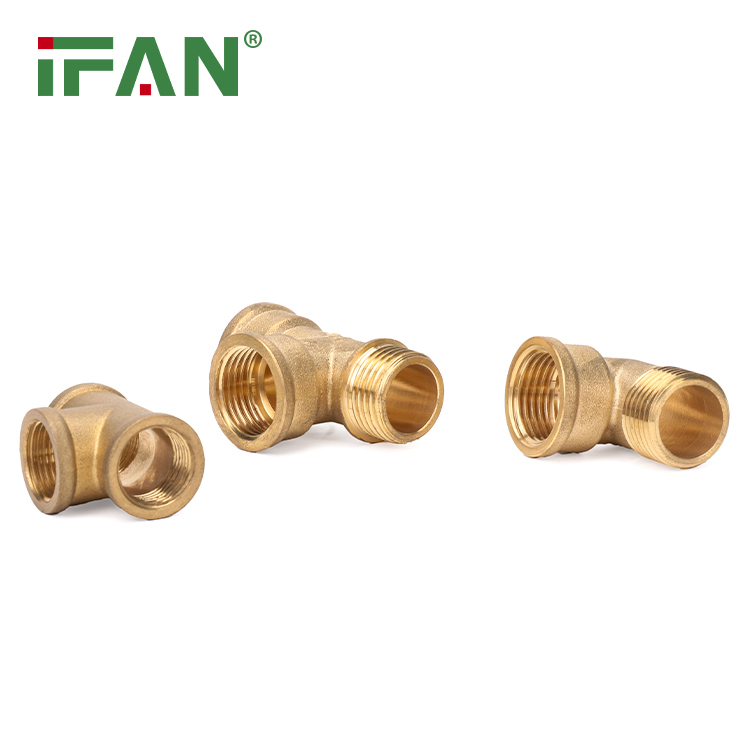
Water quality is an essential aspect of our daily lives, as it directly affects our health and well-being. One crucial factor that can influence water quality is the type of fittings used in plumbing systems. Brass fittings, commonly used in plumbing applications, have a significant impact on the quality of water that flows through them. In this article, we will explore the various ways in which brass fittings can affect water quality.
Corrosion and Leaching
One of the primary concerns with brass fittings is the potential for corrosion and leaching. Over time, brass fittings may corrode due to the interaction between the water and metal. This corrosion process can release harmful substances, such as lead and copper, into the water supply. Lead, in particular, is a toxic element that can have severe health implications, especially for children and pregnant women. Therefore, it is important to monitor the corrosion levels of brass fittings to ensure the safety of the water supply.
Microbial Growth
Another issue related to brass fittings is the potential for microbial growth. Brass, being a porous material, can provide an ideal environment for bacteria, fungi, and other microorganisms to thrive. These microorganisms can contaminate the water passing through the fittings, leading to potential health risks. Regular cleaning and maintenance of brass fittings are necessary to prevent microbial growth and ensure the water remains safe for consumption.
Water Taste and Odor
Brass fittings can also influence the taste and odor of the water. As the water interacts with the brass material, it may absorb certain metallic flavors, resulting in an unpleasant taste. Additionally, the water may acquire a distinct odor due to the reaction between the water and the brass fittings. Although these changes might not pose a direct health risk, they can significantly impact the overall satisfaction and usage of water.
Prevention and Regulation
To mitigate the potential negative effects of brass fittings on water quality, several preventive measures and regulations are in place. Firstly, regular inspection and maintenance of plumbing systems, including brass fittings, are crucial to identify and address any corrosion or damage promptly. Secondly, using certified lead-free brass fittings can significantly reduce the risk of lead contamination. Lastly, government regulations and standards are implemented to ensure the quality and safety of plumbing materials, including brass fittings.
Conclusion
In conclusion, brass fittings play a significant role in the overall water quality within plumbing systems. Corrosion, microbial growth, and changes in taste and odor are some of the potential impacts of brass fittings on water quality. By understanding these effects and implementing necessary preventive measures, we can ensure the safety and purity of the water we use in our daily lives. Regular maintenance, the use of certified fittings, and adherence to regulations are essential in safeguarding water quality and protecting public health.