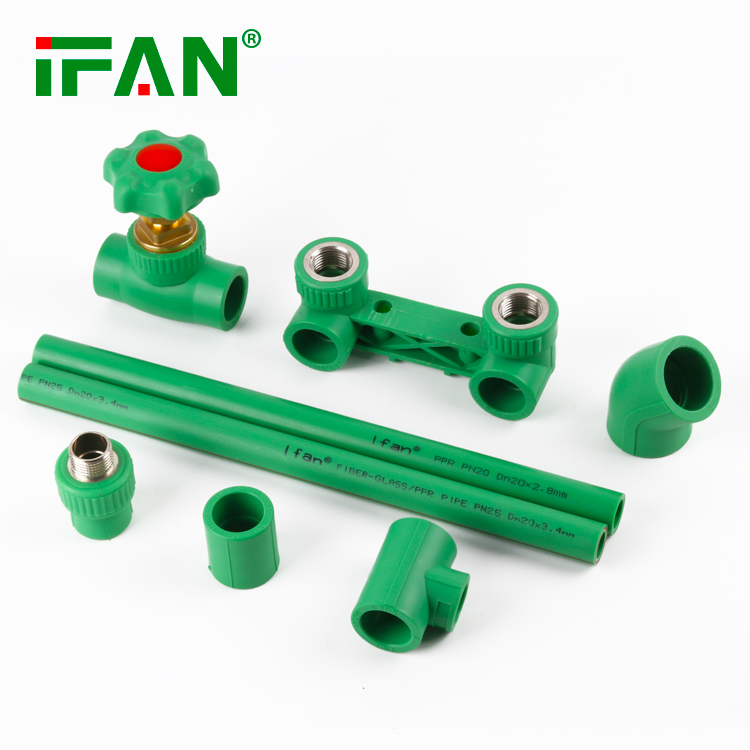
PPR pipe, a polymer material derived from polypropylene, has revolutionized the plumbing industry with its unique properties and versatile applications. This comprehensive guide delves into the latest advancements in PPR pipe technology and its emerging role in modern piping systems.
I. Introduction to PPR Pipe Technology
PPR pipe, or Polypropylene Random pipe, is a type of plastic pipe that utilizes advanced copolymerization techniques to enhance its durability, heat resistance, and chemical stability. This next-generation material has quickly gained popularity due to its ability to meet the demanding requirements of modern plumbing systems.
II. Unique Properties of PPR Pipe
PPR pipe boasts several distinctive properties that make it stand out from traditional piping materials:
- High Heat Resistance: PPR pipe can withstand temperatures up to 200°C (392°F) without significant degradation. This allows it to be used in hot water supply systems and other applications where high temperatures are prevalent.
- Excellent Chemical Resistance: PPR pipe is highly resistant to acids, bases, and other chemicals, making it suitable for use in chemical processing plants, laboratories, and other environments with harsh chemicals.
- Lightweight and Flexible: PPR pipe is lightweight and easy to handle, reducing installation time and effort. Its flexibility also allows for easy routing around obstacles and tight spaces.
- Long-Lasting Durability: PPR pipe is designed to last for decades, providing a reliable and cost-effective solution for long-term piping needs.
III. Innovations in PPR Pipe Technology
Recent advancements in PPR pipe technology have further enhanced its performance and applications:
- Improved Heat Resistance: Through the use of advanced polymerization techniques, PPR pipe now exhibits even higher heat resistance, allowing it to be used in extreme temperature conditions.
- Enhanced Chemical Resistance: New formulations of PPR pipe offer improved chemical resistance, making it suitable for use in even more demanding environments.
- Eco-Friendly Manufacturing: Manufacturers are now utilizing sustainable practices and recycled materials in the production of PPR pipe, reducing its environmental impact.
IV. Applications of PPR Pipe
PPR pipe has found widespread use in various applications, including:
- Residential Plumbing: PPR pipe is a popular choice for residential plumbing systems due to its durability, ease of installation, and superior performance.
- Industrial Piping: In industries such as chemicals, pharmaceuticals, and food processing, PPR pipe is used to transport fluids and gases due to its chemical stability and heat resistance.
- Agricultural Irrigation: PPR pipe’s lightweight and flexibility make it a great choice for agricultural irrigation systems, allowing for easy installation and maintenance.
V. Conclusion
PPR pipe, with its unique properties and innovative technology, has become a leading choice in the plumbing industry. Its ability to meet the demanding requirements of modern piping systems, coupled with its eco-friendly manufacturing practices, make it an excellent option for a wide range of applications. As technology continues to evolve, PPR pipe will likely play an even more crucial role in the future of plumbing.
Free Sample(Click Here to Get Free Sample)