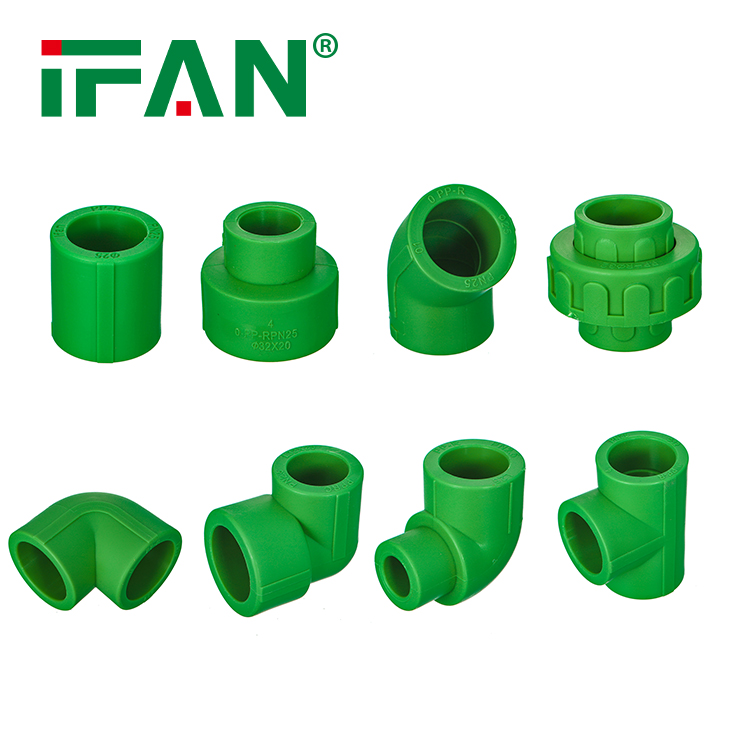
PPR Elbow: The Essential Component of Modern Plumbing Systems

PPR elbow, also known as polypropylene random copolymer elbow, is a crucial component in modern plumbing systems. Its unique properties and advantages make it a preferred choice for various applications, from residential to industrial settings.

PPR elbow, also known as polypropylene random copolymer elbow, is a crucial component in modern plumbing systems. Its unique properties and advantages make it a preferred choice for various applications, from residential to industrial settings. This article aims to provide a comprehensive overview of PPR elbow, highlighting its features, benefits, and applications.

Introduction to PPR Elbow

PPR elbow is a type of pipe fitting that is used to change the direction of the flow in a piping system. It is made from polypropylene random copolymer (PPR), a material that is renowned for its durability, corrosion resistance, and ease of installation. PPR elbow is available in various sizes and angles, allowing for flexibility and customization in plumbing systems.

Unique Properties of PPR Elbow

PPR elbow possesses several unique properties that make it stand out from other pipe fittings. Firstly, it is made from PPR material, which is known for its excellent chemical resistance and high-temperature tolerance. This ensures that PPR elbow can withstand harsh chemicals and high-temperature fluids, making it suitable for a wide range of applications.

Secondly, PPR elbow is lightweight yet strong, with a high resistance to pressure. This combination of strength and durability makes it ideal for both residential and industrial applications. Furthermore, PPR elbow is easy to install and maintain, thanks to its simple design and reliable connection methods.

Applications of PPR Elbow

PPR elbow is widely used in various plumbing systems, including residential, commercial, and industrial applications. In residential settings, PPR elbow is commonly used in bathrooms, kitchens, and laundry rooms to connect pipes and change the direction of water flow. It is also suitable for use in hot and cold water supply lines, as well as in drainage systems.

In commercial and industrial settings, PPR elbow is often found in large-scale piping systems such as HVAC systems, fire suppression systems, and chemical processing plants. Its ability to withstand harsh chemicals and high temperatures makes it a reliable choice for these demanding applications.

Conclusion

PPR elbow is an essential component of modern plumbing systems. Its unique properties, such as chemical resistance, high-temperature tolerance, and ease of installation, make it a preferred choice for various applications. Whether you are looking for a reliable solution for your home plumbing needs or need to install a large-scale piping system for your business, PPR elbow is a great option to consider. With its durability, flexibility, and versatility, PPR elbow is sure to meet your plumbing needs and exceed your expectations.

Free Sample(Click Here to Get Free Sample)
Share:

Facebook
Twitter
Pinterest
LinkedIn

Leave a Comment

Your email address will not be published. Required fields are marked *

On Key

Related Posts

Inside IFAN Brass Ball Valves: Ball, Stem and Seat Assembly

Inside IFAN Brass Ball Valves: Ball, Stem and Seat Assembly

The Internal Mechanics That Determine Valve Performance The outer body of a brass ball valve provides structural support and connection points, but the actual control of fluid flow happens entirely within its core assembly. The ball, stem, and seats form a unified mechanism that must operate smoothly and seal tightly over thousands of open-and-close cycles.

Forged vs Cast Brass Ball Valve Body Construction

Forged vs Cast Brass Ball Valve Body Construction

The Structural Difference That Defines Valve Reliability When selecting a brass ball valve, buyers often focus on pressure ratings and seal materials. However, the manufacturing method of the valve body itself is a critical factor that determines how the valve will perform over its lifespan. The two primary methods for producing brass valve bodies are

Chrome-Plated Brass Ball Valve Surface Treatment Explained

Why Surface Treatment Dictates Valve Longevity In plumbing and industrial fluid systems, the internal components of a valve handle the pressure, but the external surface determines how well it survives its environment. A standard brass ball valve offers excellent mechanical strength, yet raw brass is susceptible to tarnishing and oxidation when exposed to moisture, humidity,

How IFAN Brass Ball Valves Maintain Sealing Under High Pressure

How IFAN Brass Ball Valves Maintain Sealing Under High Pressure

The Mechanics of Pressure Resistance in Brass Valves In pressurized water and fluid systems, the valve is often the most vulnerable component. A failure here can lead to catastrophic water damage, system downtime, and costly repairs. Maintaining a reliable seal under high pressure requires a combination of precise engineering, high-quality materials, and robust design. IFAN

Stainless Steel Corrugated Flexible Pipe

Stainless Steel Corrugated Flexible Pipe for Plumbing Systems

Modern plumbing systems need piping materials that are durable, adaptable, and suitable for different installation environments. Stainless steel corrugated flexible pipe offers a practical solution where conventional rigid pipes may be difficult to route or connect. Its corrugated structure allows the pipe to bend while maintaining a continuous metal wall. This flexibility can simplify plumbing

Get Free Quote NOW