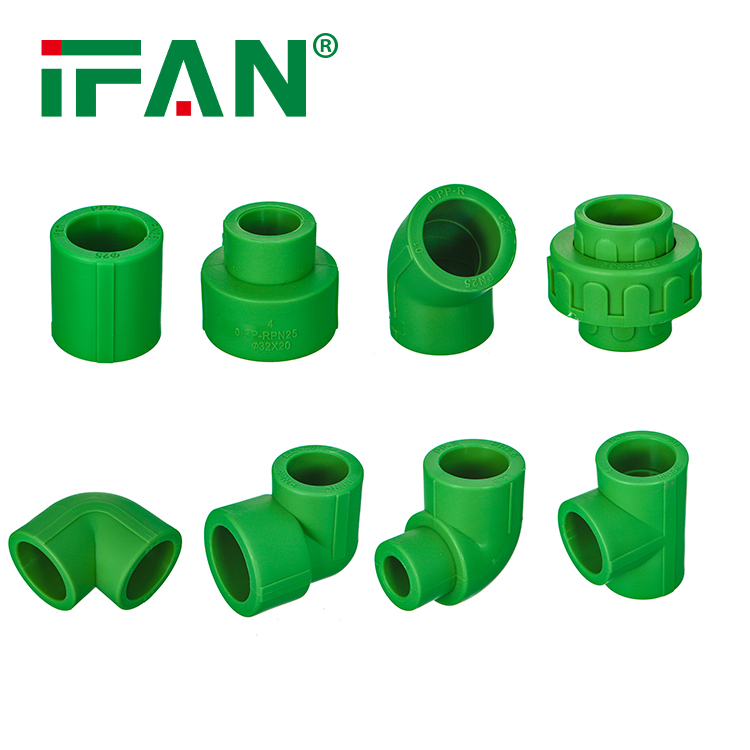
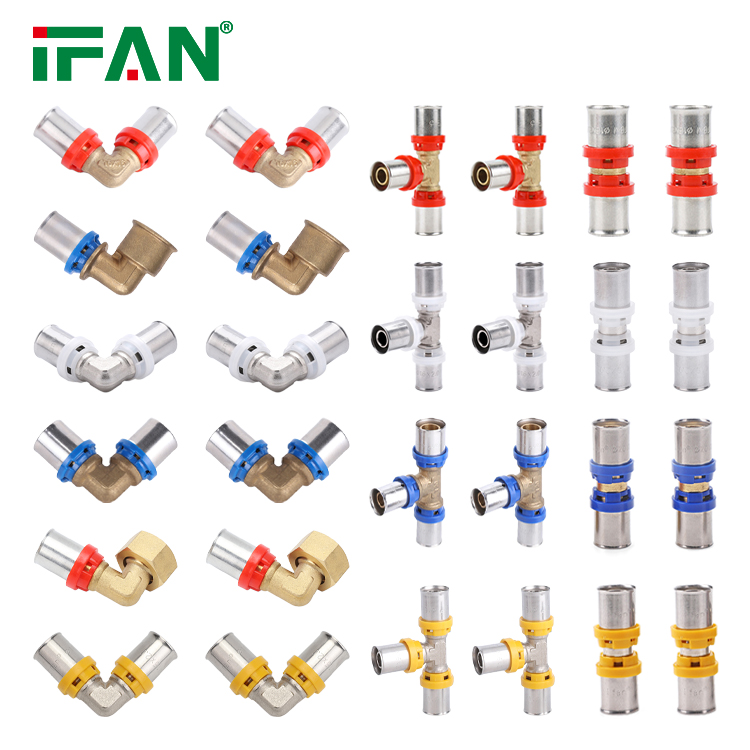
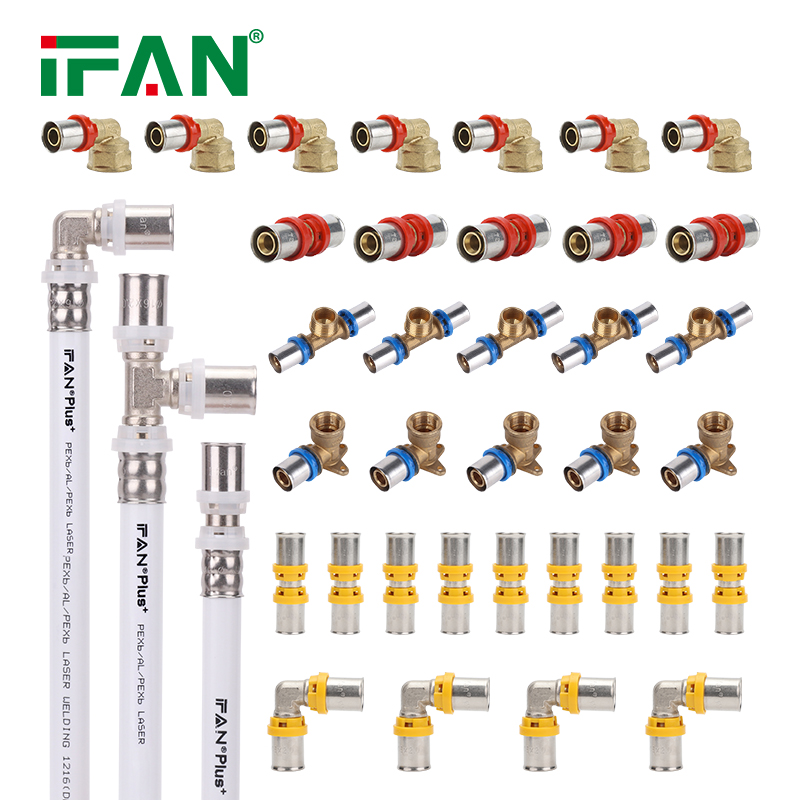
PPR elbow, also known as polypropylene random copolymer elbow, is a crucial component in modern plumbing systems. Its unique properties and advantages make it a preferred choice for various applications, from residential to industrial settings. This article aims to provide a comprehensive overview of PPR elbow, highlighting its features, benefits, and applications.
Introduction to PPR Elbow
PPR elbow is a type of pipe fitting that is used to change the direction of the flow in a piping system. It is made from polypropylene random copolymer (PPR), a material that is renowned for its durability, corrosion resistance, and ease of installation. PPR elbow is available in various sizes and angles, allowing for flexibility and customization in plumbing systems.
Unique Properties of PPR Elbow
PPR elbow possesses several unique properties that make it stand out from other pipe fittings. Firstly, it is made from PPR material, which is known for its excellent chemical resistance and high-temperature tolerance. This ensures that PPR elbow can withstand harsh chemicals and high-temperature fluids, making it suitable for a wide range of applications.
Secondly, PPR elbow is lightweight yet strong, with a high resistance to pressure. This combination of strength and durability makes it ideal for both residential and industrial applications. Furthermore, PPR elbow is easy to install and maintain, thanks to its simple design and reliable connection methods.
Applications of PPR Elbow
PPR elbow is widely used in various plumbing systems, including residential, commercial, and industrial applications. In residential settings, PPR elbow is commonly used in bathrooms, kitchens, and laundry rooms to connect pipes and change the direction of water flow. It is also suitable for use in hot and cold water supply lines, as well as in drainage systems.
In commercial and industrial settings, PPR elbow is often found in large-scale piping systems such as HVAC systems, fire suppression systems, and chemical processing plants. Its ability to withstand harsh chemicals and high temperatures makes it a reliable choice for these demanding applications.
Conclusion
PPR elbow is an essential component of modern plumbing systems. Its unique properties, such as chemical resistance, high-temperature tolerance, and ease of installation, make it a preferred choice for various applications. Whether you are looking for a reliable solution for your home plumbing needs or need to install a large-scale piping system for your business, PPR elbow is a great option to consider. With its durability, flexibility, and versatility, PPR elbow is sure to meet your plumbing needs and exceed your expectations.
Free Sample(Click Here to Get Free Sample)