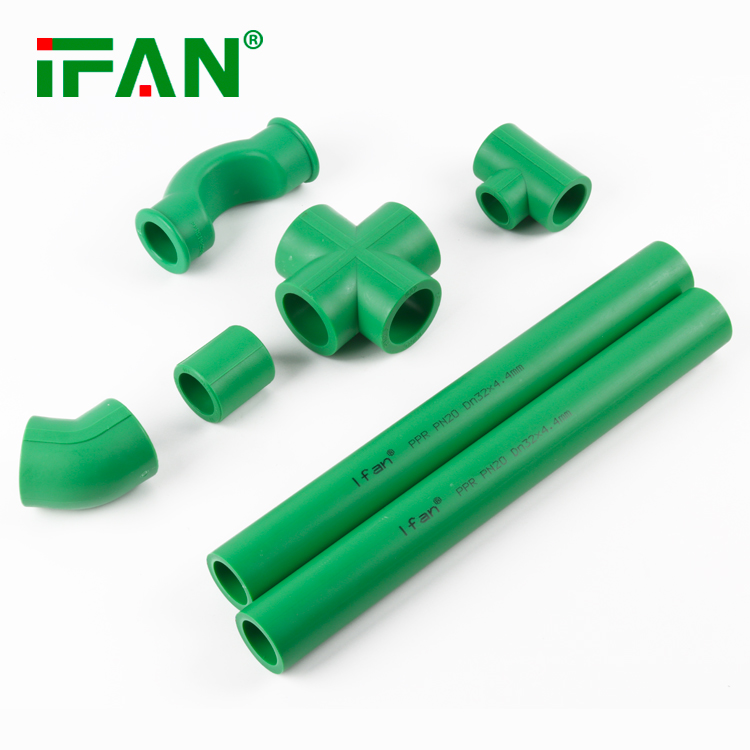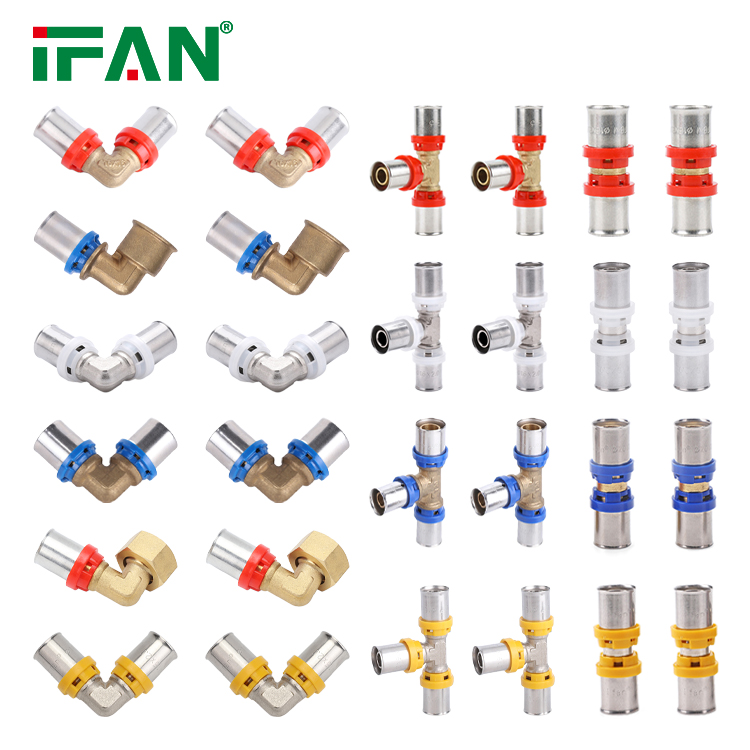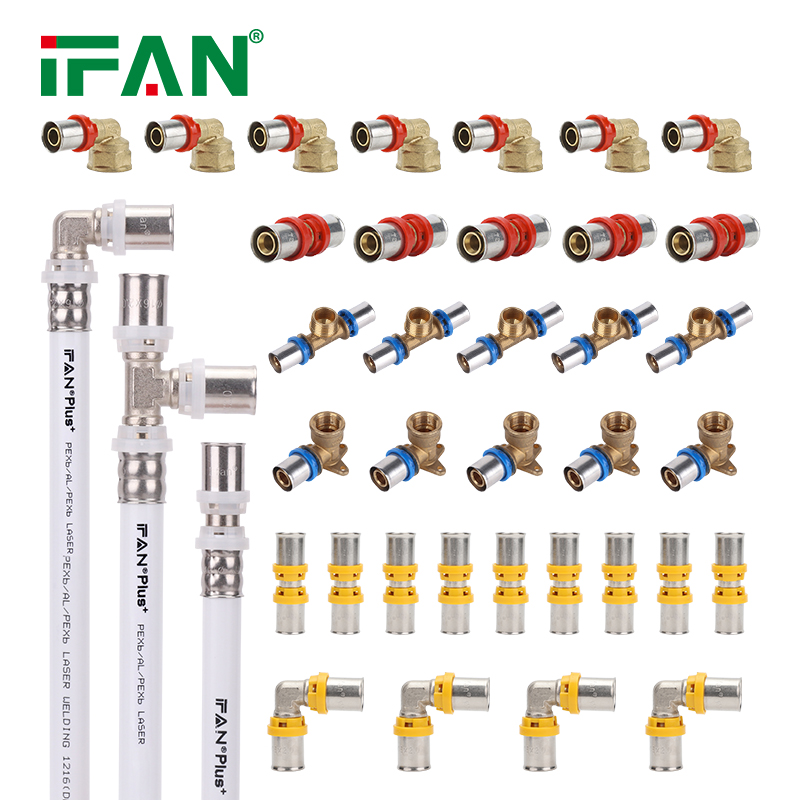
PPR Pipe, also known as PolyPropylene Random Copolymer Pipe, has established itself as a versatile and reliable option for modern piping solutions. Its unique characteristics and adaptability have made it a popular choice in various industries and applications.
Material Composition and Properties
PPR Pipe is composed of PolyPropylene Random Copolymer, a thermoplastic material with exceptional properties. It boasts high resistance to chemicals, heat, and pressure, ensuring durability and longevity. Additionally, PPR Pipe is lightweight yet sturdy, making it easy to transport, handle, and install.
Versatility in Applications
PPR Pipe is highly versatile and finds applications in diverse industries. In the construction sector, it is widely used for hot and cold water supply systems, drainage, and central heating. Its chemical resistance makes it suitable for chemical processing and industrial fluid transfer. Moreover, PPR Pipe is also gaining popularity in agricultural irrigation systems due to its durability and resistance to harsh weather conditions.
Innovative Features
PPR Pipe comes with several innovative features that set it apart from other piping materials. Its smooth inner surface reduces the risk of blockages and ensures efficient fluid flow. The material’s flexibility allows for easier installation in tight spaces and curved layouts. Furthermore, PPR Pipe is environmentally friendly and recyclable, contributing to a sustainable future.
Installation and Maintenance
Installing PPR Pipe is a relatively straightforward process. It is typically joined using thermal fusion methods, which create strong and leak-proof joints. Proper installation ensures the long-term performance and reliability of the piping system. Maintenance of PPR Pipe is also minimal, with regular inspections and cleaning sufficient to maintain its optimal performance.
Choosing the Right PPR Pipe
When selecting PPR Pipe, it is crucial to consider the specific requirements of the application. Factors such as operating pressure, temperature range, and chemical compatibility should be taken into account. It is also essential to choose a reputable manufacturer to ensure the quality and reliability of the product.
In conclusion, PPR Pipe offers a versatile and reliable solution for modern piping systems. Its unique properties, adaptability, and innovative features make it a preferred choice in various industries and applications. With proper installation and maintenance, PPR Pipe can provide long-term performance and durability, ensuring the smooth and efficient operation of piping systems.
Free Sample(Click Here to Get Free Sample)