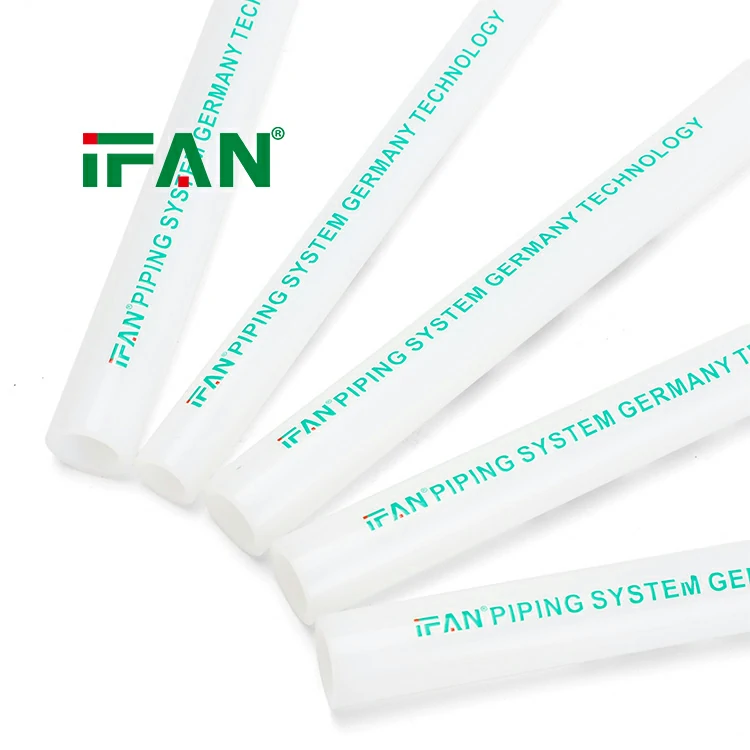
Introduction to PPR Male Tee
The PPR Male Tee is a crucial component in the world of plumbing and piping, offering a versatile solution for branching pipe systems. This article delves into the specifics of the PPR Male Tee, exploring its construction, uses, and the reasons why it’s a preferred choice in modern plumbing applications.
What is a PPR Male Tee?
A PPR Male Tee is a type of pipe fitting that features three openings: one main inlet and two outlets, all with male threads. It allows for the distribution or collection of fluid from multiple sources or destinations within a piping system. Made from Polypropylene Random Copolymer (PPR), this tee is renowned for its durability and resistance to corrosion.
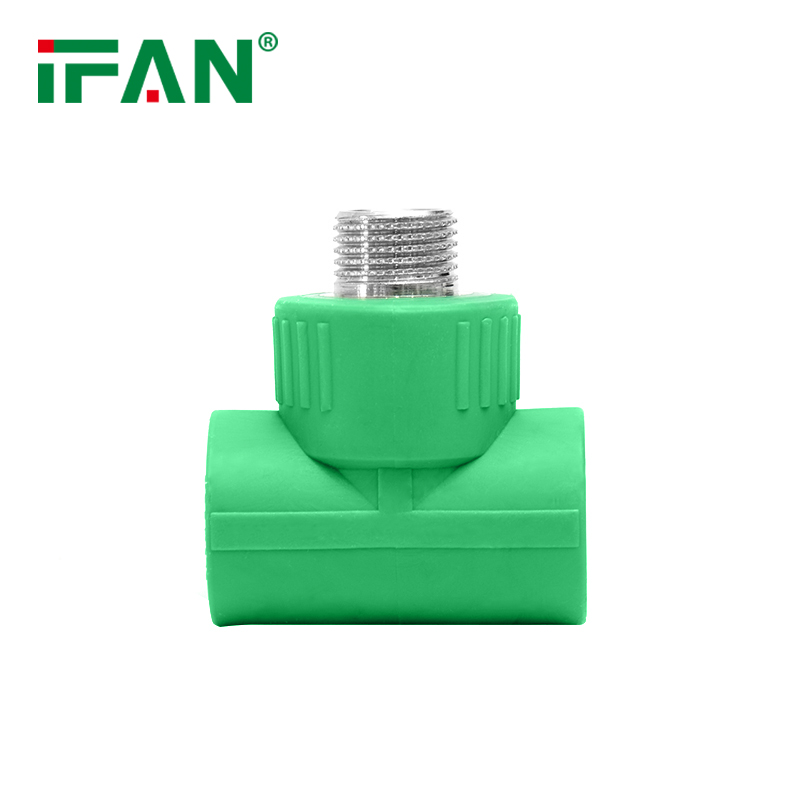
Key Features of PPR Male Tee
- Durability: PPR material ensures longevity, even under extreme conditions.
- Corrosion Resistance: The tee is highly resistant to chemical corrosion, making it suitable for a wide range of fluids.
- Easy Installation: The male threads facilitate a secure and leak-proof connection, simplifying the installation process.
- Versatility: Can be used in various piping configurations, adapting to different system requirements.
Applications of PPR Male Tee
PPR Male Tees find their applications in multiple industries, including:
- Plumbing: In residential and commercial buildings for water supply and drainage systems.
- Irrigation: For branching water lines in agricultural irrigation systems.
- Industrial Applications: In chemical processing plants, where corrosion-resistant materials are essential.
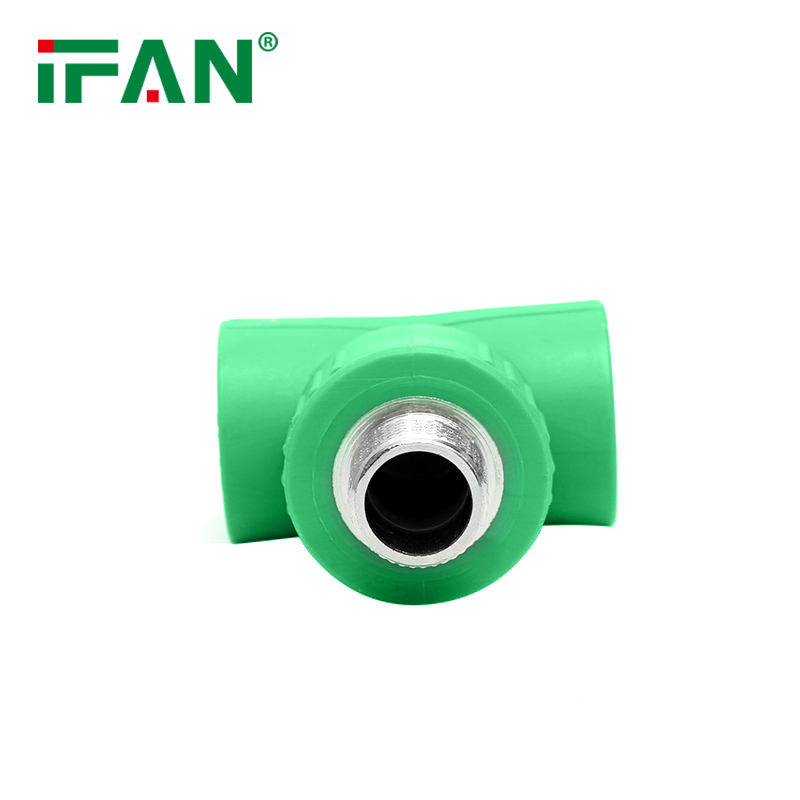
Installation Guidelines
- When installing a PPR Male Tee, it’s crucial to follow these guidelines:
- Ensure the pipe ends and tee threads are clean and free of debris.
- Apply an appropriate thread sealant to ensure a leak-proof connection.
- Tighten the connections securely, but avoid over-tightening, which could damage the threads.
- Test the system for leaks after installation.
Conclusion
The PPR Male Tee is a versatile and reliable component in piping systems, offering a robust solution for fluid distribution and collection. Its durability, corrosion resistance, and ease of installation make it a preferred choice across various industries. Understanding the features and proper installation techniques of the PPR Male Tee is essential for ensuring efficient and leak-free piping systems.