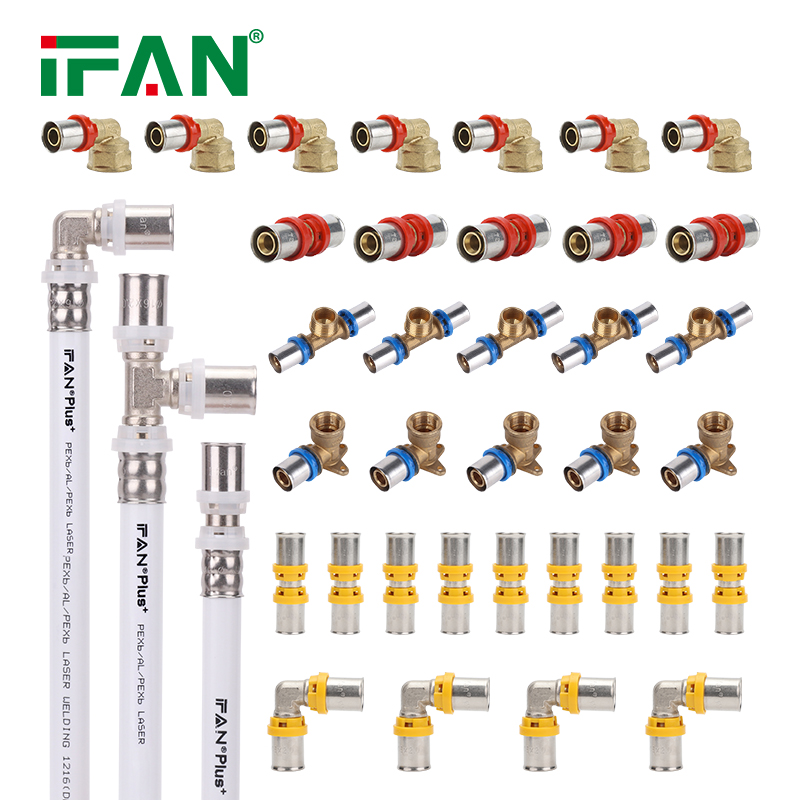
In urban housing projects, ensuring a reliable and efficient water supply is crucial for the well-being of residents. One of the key components that contribute to the success of these water supply schemes is the use of PPR (Polypropylene Random Copolymer) fittings. This report explores the role of PPR fittings in urban housing projects, highlighting their advantages, installation processes, and overall impact on water supply systems.
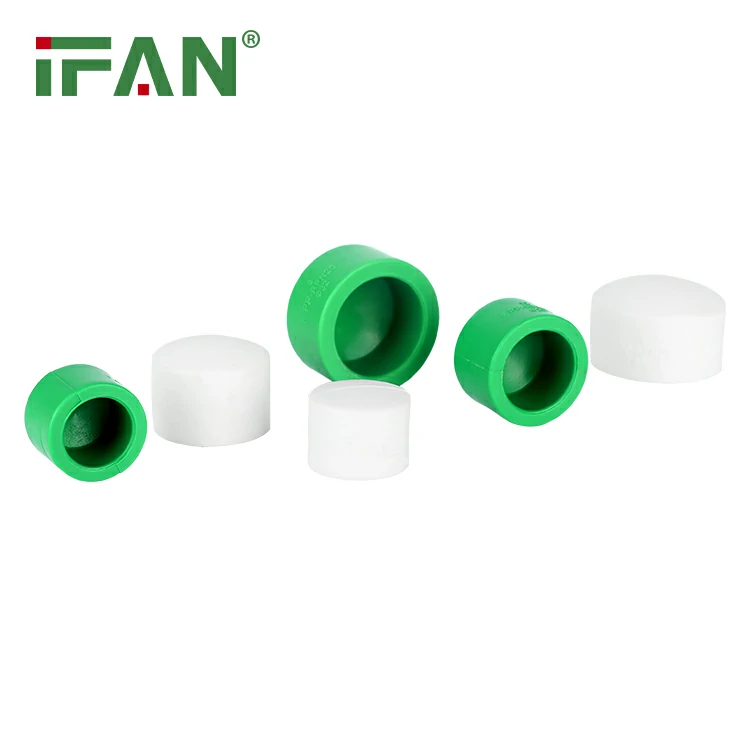
1. Understanding PPR Fittings
1.1. What Are PPR Fittings?
PPR fittings are plumbing components made from polypropylene, a thermoplastic polymer known for its high durability and chemical resistance. These fittings are designed to connect pipes in a water supply system, ensuring a secure and leak-free flow of water. PPR fittings are lightweight, easy to install, and suitable for both hot and cold water applications, making them an ideal choice for urban housing projects.
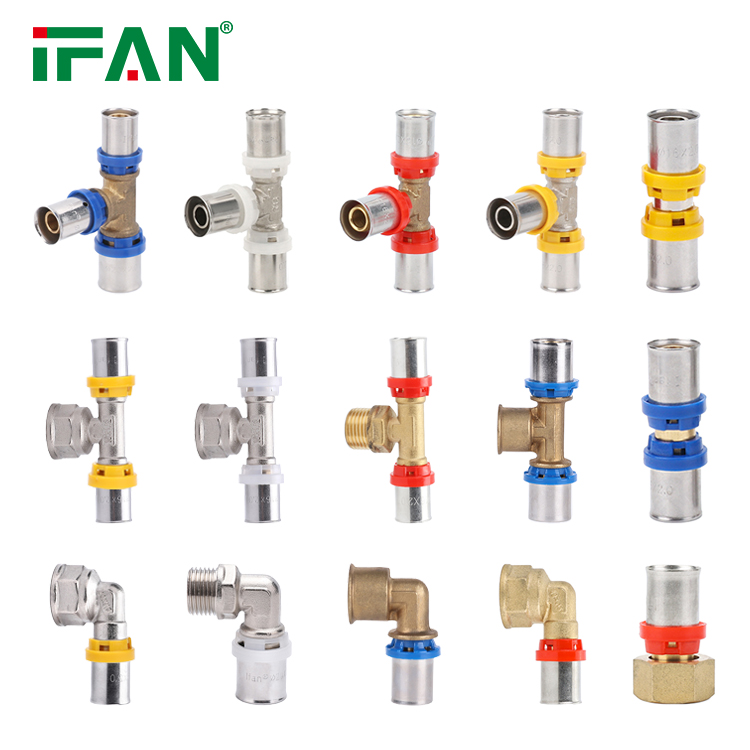
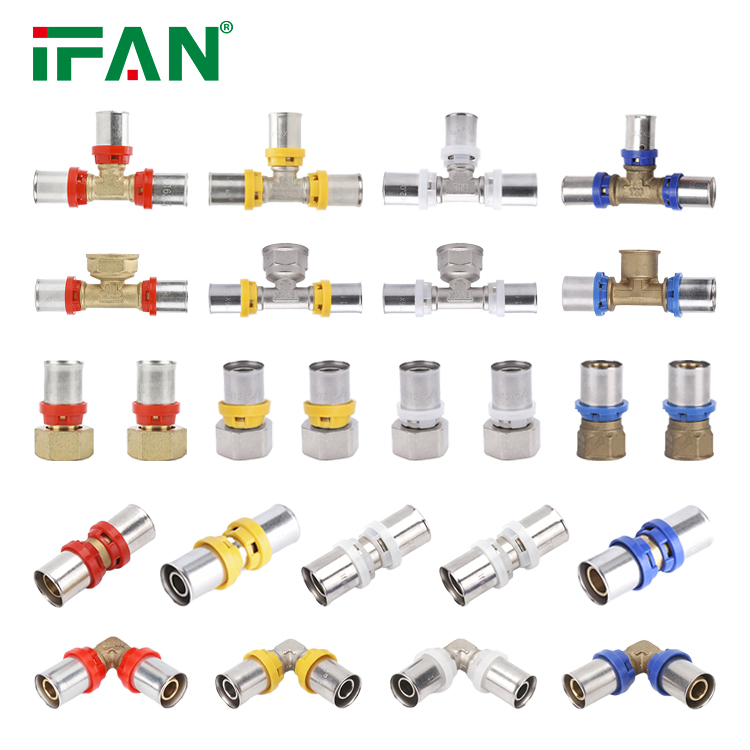
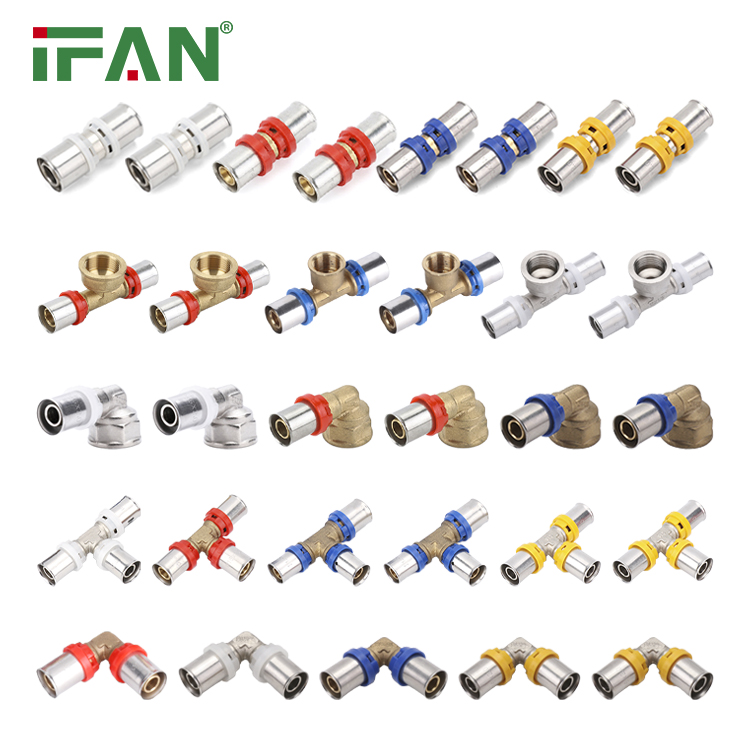
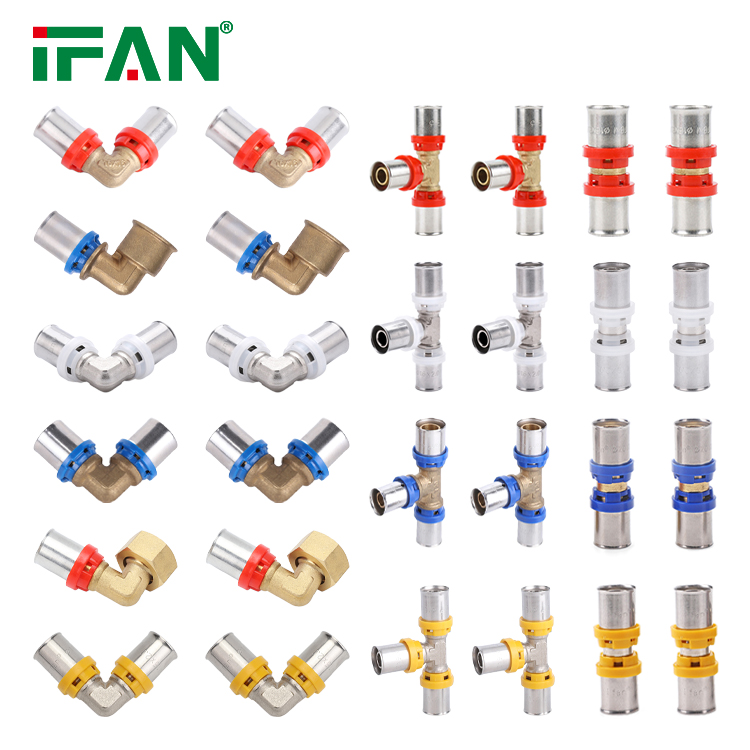
1.2. Types of PPR Fittings
PPR fittings come in various shapes and sizes to accommodate different plumbing needs. Common types include:
- Elbows: Used to change the direction of piping.
- Tees: Allow for branching off into different directions.
- Couplings: Connect two sections of pipe together.
- Adapters: Facilitate connections between PPR pipes and other materials.
2. Advantages of Using PPR Fittings in Urban Housing Projects
2.1. Durability and Longevity
One of the primary advantages of PPR fittings is their durability. They can withstand high pressures and temperatures, making them suitable for both hot and cold water systems. PPR fittings have an expected lifespan of over 50 years, ensuring a long-term solution for urban housing projects.
2.2. Corrosion Resistance
Unlike metal fittings, PPR fittings are resistant to corrosion and scaling. This characteristic is particularly beneficial in urban areas where water quality can be compromised. The lack of corrosion ensures that the fittings maintain their structural integrity over time, reducing the need for frequent replacements.
2.3. Lightweight and Easy to Install
PPR fittings are significantly lighter than traditional metal fittings, making them easier to handle and install. This lightweight nature reduces transportation costs and labor requirements, allowing for quicker project completion.
2.4. Cost-Effectiveness
The use of PPR fittings can lead to significant cost savings in urban housing projects. Their durability and low maintenance requirements minimize long-term expenses, making them a cost-effective choice for builders and developers.
3. The Role of PPR Fittings in Water Supply Schemes
3.1. Efficient Water Distribution
In urban housing projects, efficient water distribution is essential for meeting the needs of residents. PPR fittings facilitate seamless connections between pipes, ensuring a steady flow of water throughout the system. Their ability to handle high pressures allows for effective distribution even in multi-story buildings.
3.2. Reduced Leakage
Leakage in water supply systems can lead to significant water loss and increased costs. PPR fittings provide secure and leak-proof connections, minimizing the risk of leaks and ensuring that water reaches its intended destination without wastage.
3.3. Flexibility in Design
PPR fittings offer flexibility in plumbing design, allowing for easy adjustments and modifications as needed. This adaptability is particularly important in urban housing projects, where layouts may change based on site conditions or resident requirements.
4. Installation Process of PPR Fittings
4.1. Preparation
Before installation, ensure that you have all necessary tools and materials, including:
- PPR pipes and fittings
- Pipe cutter
- Heat fusion tool
- Measuring tape
- Marker
- Safety gear (gloves, goggles)
4.2. Steps for Installation
- Measure and Cut: Measure the required length of the PPR pipe and cut it using a pipe cutter to ensure a clean, straight edge.
- Prepare the Fittings: Clean the ends of the PPR pipe and the interior of the fitting to remove any debris or contaminants.
- Heat Fusion: Use a heat fusion tool to heat the ends of the PPR pipe and the fitting until they reach the appropriate temperature. This process typically takes a few seconds.
- Join the Pieces: Quickly join the heated ends of the pipe and fitting, applying even pressure to create a secure bond. Hold them together for a few moments to allow the joint to cool and solidify.
- Testing: After installation, test the system for leaks by running water through the pipes and checking for any signs of leakage at the joints.
5. Challenges and Solutions
5.1. Potential Challenges
While PPR fittings offer numerous advantages, there are some challenges associated with their use in urban housing projects:
- Temperature Sensitivity: PPR fittings can be sensitive to extreme temperatures, which may affect their performance.