Applications of PPR Fiberglass Pipes in Industrial Settings
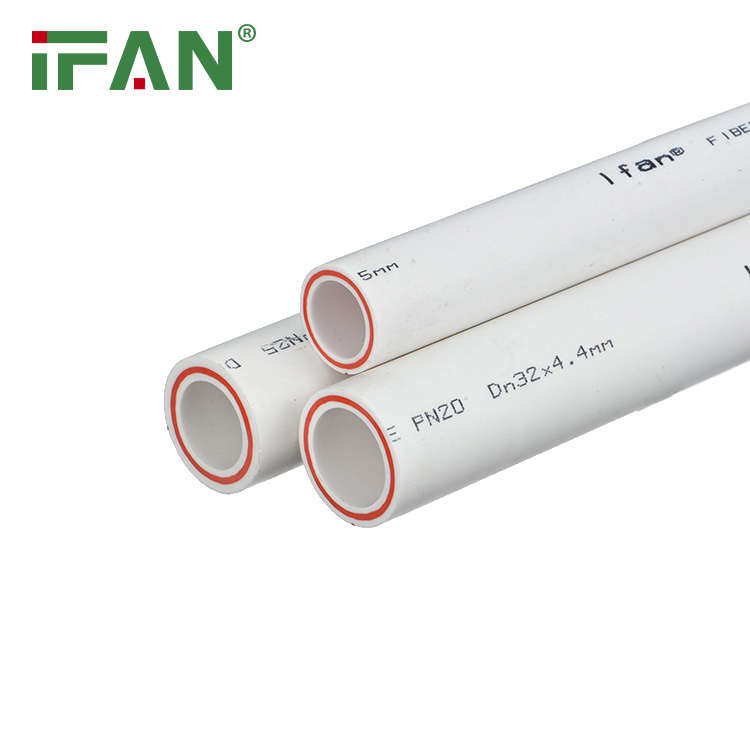
PPR (Polypropylene Random Copolymer) fiberglass pipes have become increasingly popular in various industrial settings due to their exceptional properties and advantages. In this article, we will explore the key applications of PPR fiberglass pipes in industrial environments. Let’s break down each section into separate headings.
1. Chemical Processing Industries
PPR fiberglass pipes are widely used in chemical processing industries due to their excellent chemical resistance. These pipes can handle a wide range of corrosive chemicals, acids, and alkalis without degradation or damage. The superior chemical resistance of PPR fiberglass pipes ensures the safe and reliable transportation of chemicals in industrial processes.
2. Water Treatment Plants
Water treatment plants require durable and reliable piping systems to handle the flow of water and various treatment chemicals. PPR fiberglass pipes are an ideal choice for these applications due to their corrosion resistance and long lifespan. These pipes can withstand the harsh conditions found in water treatment plants, including exposure to chlorine, ozone, and other treatment chemicals.
3. Power Generation Facilities
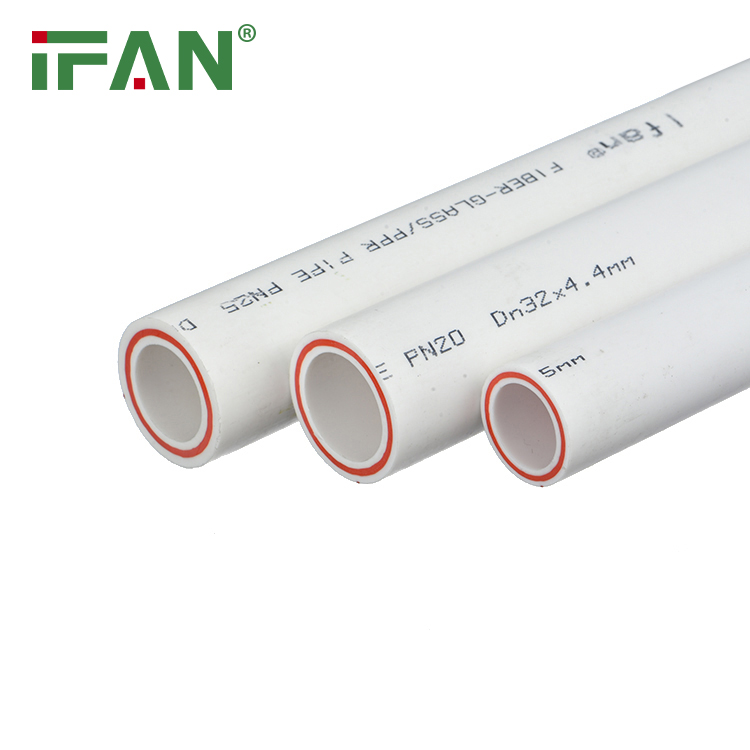
PPR fiberglass pipes are extensively used in power generation facilities, including thermal power plants and nuclear power plants. These pipes provide excellent resistance to high temperatures and pressures, making them suitable for transporting hot water, steam, and other fluids in power generation processes. The durability and longevity of PPR fiberglass pipes ensure the efficient and safe operation of power plants.
4. Oil and Gas Industry
In the oil and gas industry, PPR fiberglass pipes find applications in various areas, including offshore platforms, refineries, and pipelines. These pipes are highly resistant to corrosion, making them an excellent choice for transporting oil, gas, and other petroleum products. The lightweight nature of PPR fiberglass pipes also simplifies their installation and reduces the overall weight of offshore structures.
5. Food and Beverage Processing
PPR fiberglass pipes are widely used in the food and beverage industry for the transportation of various liquids, including water, juices, and food-grade chemicals. These pipes are non-toxic, odorless, and tasteless, ensuring the purity and integrity of the transported products. The smooth inner surface of PPR fiberglass pipes prevents the accumulation of bacteria or contaminants, making them suitable for hygiene-sensitive applications.
6. Pharmaceutical and Biotechnology Industries
In the pharmaceutical and biotechnology industries, maintaining the integrity and purity of fluids is crucial. PPR fiberglass pipes provide an excellent solution due to their chemical resistance and smooth inner surface. These pipes are commonly used for the transportation of purified water, pharmaceutical ingredients, and other critical fluids in manufacturing processes.
7. Industrial Water Supply and Plumbing Systems
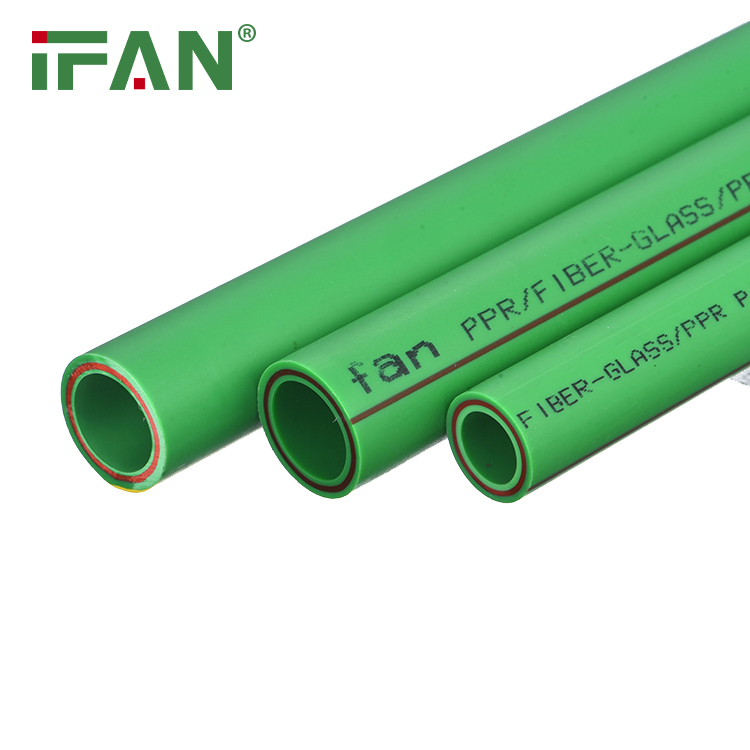
PPR fiberglass pipes are also extensively used in industrial water supply and plumbing systems. The excellent corrosion resistance and durability of these pipes make them suitable for handling the flow of water in various industrial facilities. Their flexibility and lightweight nature simplify the installation process and reduce the need for additional fittings and connectors.
Conclusion
In conclusion, PPR fiberglass pipes offer numerous applications in industrial settings. Their exceptional properties, including chemical resistance, durability, lightweight nature, and smooth inner surface, make them an ideal choice for a wide range of industries. From chemical processing to power generation, water treatment, oil and gas, food and beverage processing, pharmaceuticals, and industrial plumbing systems, PPR fiberglass pipes provide reliable and efficient solutions.