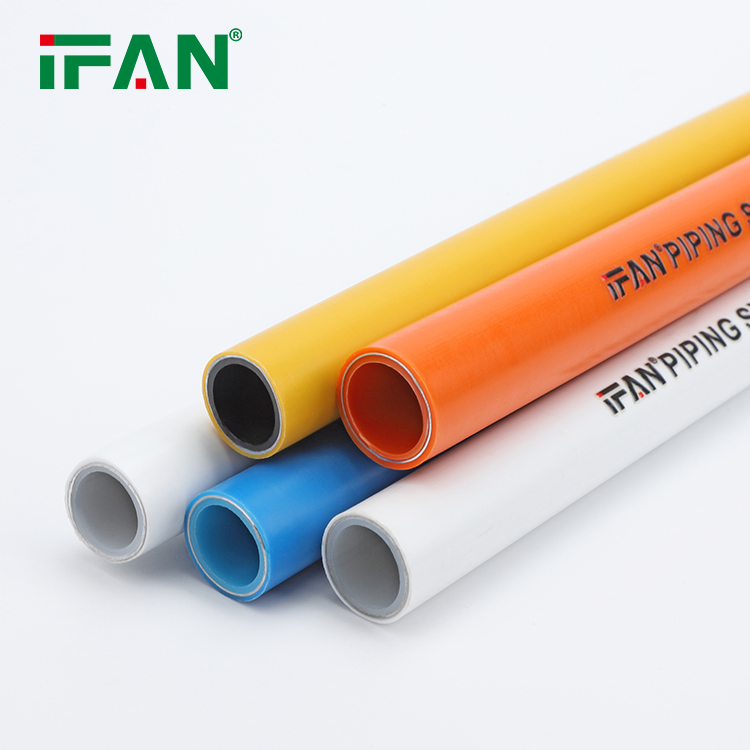
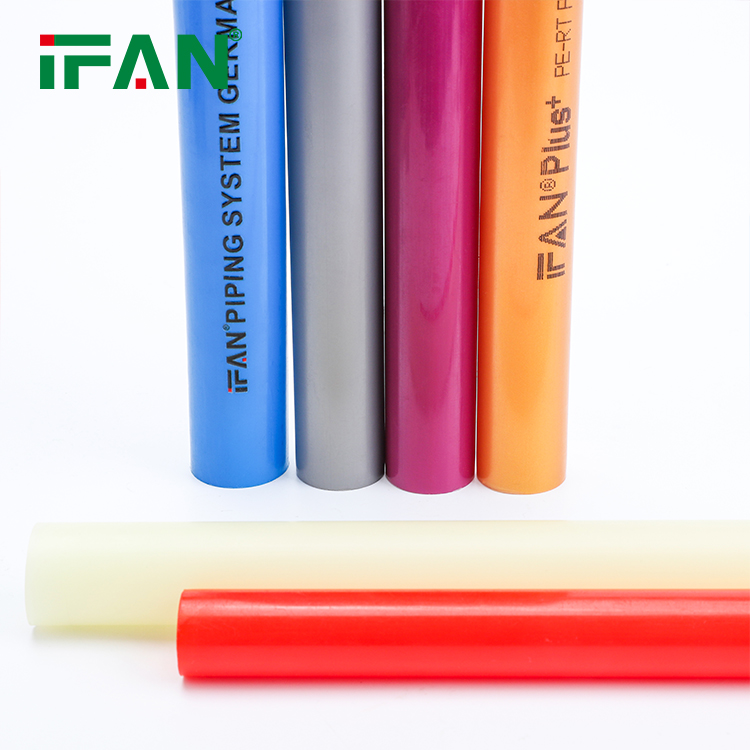
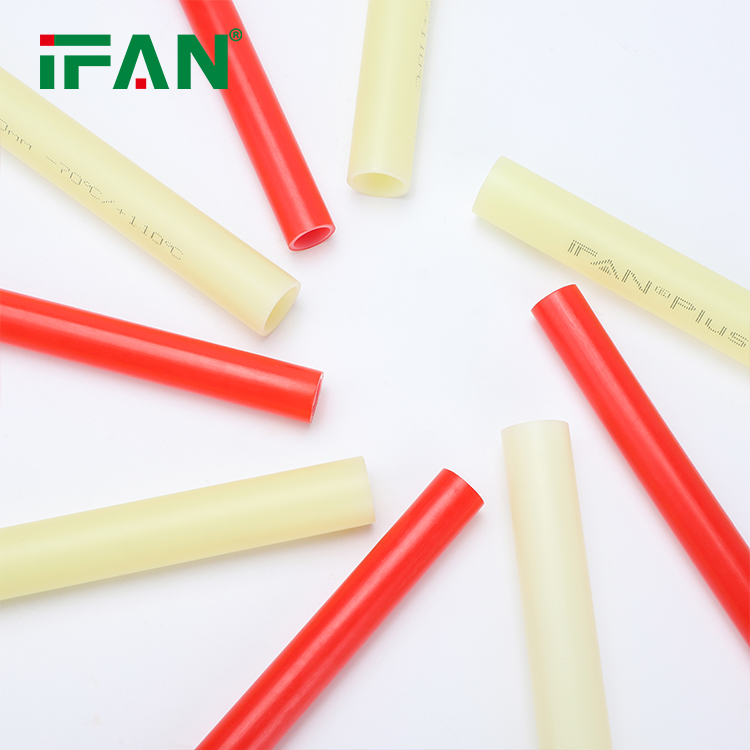
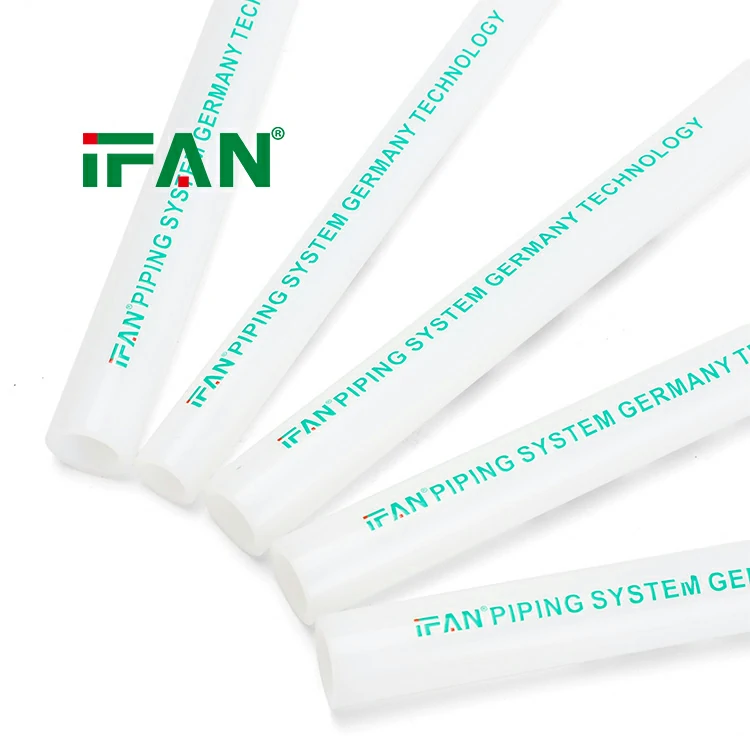
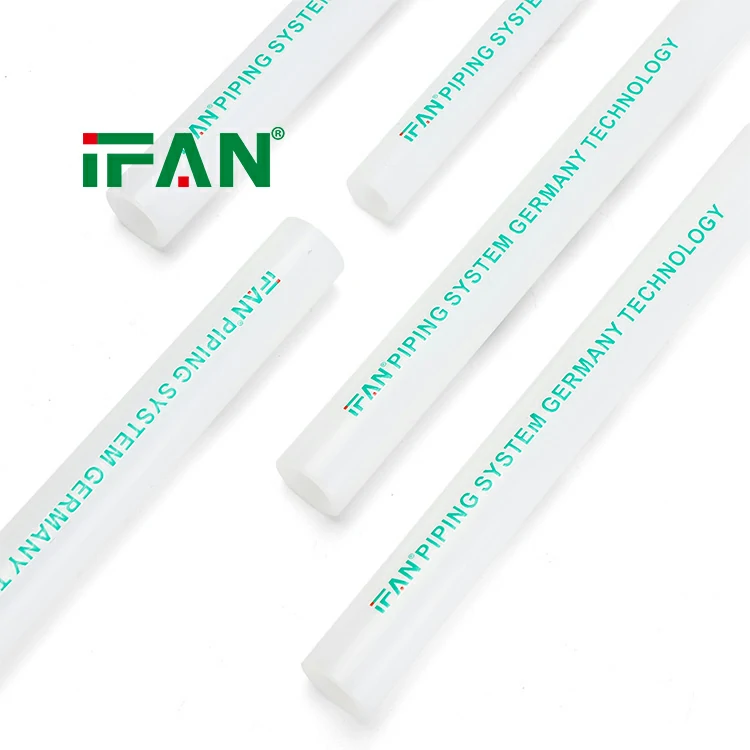
IFAN factory 30+ years manufacture experience support color /size customization support free sample.Welcome to consult for catalog and free samples.This is our Facebook Website:www.facebook.com,Click to watch IFAN’s product video.Compared with Tomex products, our IFAN products from quality to price are your best choice, welcome to buy!
In recent years, High-Density Polyethylene (HDPE) fittings have become a preferred choice for many plumbing systems due to their strength, flexibility, and resistance to corrosion. These fittings are widely used in various plumbing applications, including water supply, drainage systems, and gas pipelines. In this article, we will explore the numerous advantages of HDPE fittings in modern plumbing systems and why they are quickly gaining popularity in both residential and commercial projects.
What Are HDPE Fittings?
HDPE fittings are plumbing components made from high-density polyethylene, a strong and flexible thermoplastic material. These fittings are designed to connect HDPE pipes, which are also commonly used in plumbing systems. HDPE fittings come in various shapes and sizes, such as elbows, tees, reducers, and couplings, to accommodate different pipe configurations and system requirements. They are often used in industries that require a reliable and long-lasting solution for fluid transportation, including municipal water systems, agricultural irrigation, and gas distribution.
1. Durability and Longevity
One of the standout advantages of HDPE fittings is their exceptional durability. HDPE material is known for its high resistance to physical wear, corrosion, and environmental factors. Unlike traditional metal fittings, which can rust and degrade over time, HDPE fittings do not corrode, even when exposed to harsh conditions like moisture, chemicals, or high UV radiation. This durability ensures that HDPE fittings can withstand the test of time, providing a reliable and long-lasting solution for plumbing systems.
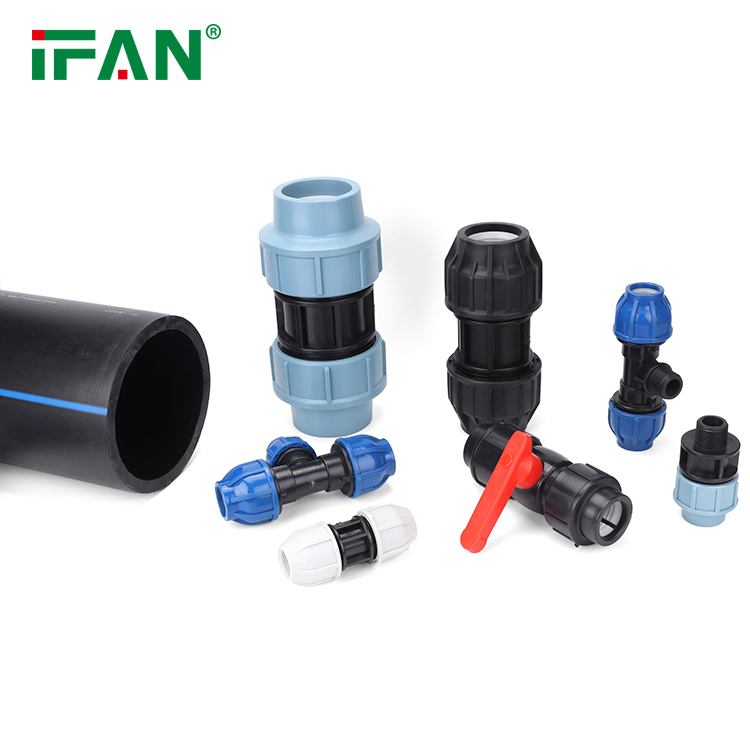
In fact, HDPE fittings can last for over 50 years in most applications, reducing the need for frequent replacements and maintenance. This long lifespan makes HDPE fittings a cost-effective investment for both residential and industrial plumbing systems.
2. Corrosion Resistance
Corrosion is a common problem with metal piping systems, especially when exposed to water or harsh chemicals. Over time, corrosion can cause leaks, reduced water flow, and even structural failure of pipes. However, HDPE fittings are highly resistant to corrosion, which is one of the main reasons they are increasingly used in plumbing systems worldwide.
HDPE fittings are ideal for systems exposed to harsh chemicals, saline water, or high moisture environments. Their ability to resist corrosion eliminates the need for costly repairs and maintenance that are often required with metal piping systems. This makes them a preferred choice for a wide range of applications, including industrial, municipal, and agricultural plumbing.
3. Flexibility and Ease of Installation
Another key advantage of HDPE fittings is their flexibility. HDPE pipes and fittings are highly flexible, which allows them to adapt to various installation scenarios. This flexibility makes HDPE fittings suitable for both straight and curved installations, reducing the need for additional joint connections and minimizing the chances of leaks. In areas where the plumbing system needs to navigate around obstacles or change directions, HDPE fittings are an excellent choice.
Furthermore, the installation process for HDPE fittings is straightforward. Many HDPE fittings use a heat fusion method for connection, which creates a seamless, leak-proof bond between the pipe and fitting. This fusion process reduces the likelihood of installation errors, ensuring that the system performs optimally. The flexibility of HDPE fittings also helps reduce the risk of damage from external forces like earthquakes or ground shifts, as the material can absorb stress without cracking.
4. Chemical Resistance
HDPE fittings are highly resistant to a wide range of chemicals, which makes them an excellent choice for plumbing systems that carry water or fluids containing various substances. This chemical resistance makes HDPE fittings ideal for industrial applications where chemicals are commonly transported through the pipes, such as in the food and beverage, pharmaceutical, and chemical industries.
In addition, HDPE fittings are resistant to both acidic and alkaline environments, further expanding their applications in sectors that require robust and durable plumbing solutions. Their ability to withstand these harsh chemicals without degrading ensures the safety and integrity of the plumbing system.
5. Cost-Effectiveness
Although the initial cost of HDPE fittings may be higher than traditional plumbing materials like PVC or metal, their long-term cost-effectiveness is undeniable. Due to their durability, resistance to corrosion, and flexibility, HDPE fittings require less maintenance and fewer repairs over the course of their lifespan. This translates to significant cost savings in the long run, as the need for replacements and repairs is minimized.
Moreover, the ease of installation reduces labor costs, as the process is faster and more efficient compared to other plumbing materials. As a result, many homeowners, businesses, and industries are opting for HDPE fittings to reduce both upfront and ongoing plumbing costs.
6. Environmental Benefits
In an era where sustainability is a growing concern, HDPE fittings offer several environmental benefits. The material is fully recyclable, which helps reduce the environmental impact of plumbing systems. When HDPE fittings and pipes reach the end of their life cycle, they can be recycled and repurposed into new products, minimizing waste and conserving resources.
Furthermore, the long lifespan of HDPE fittings reduces the need for frequent replacements, which ultimately leads to less material waste. By choosing HDPE fittings, homeowners and businesses can contribute to a more sustainable plumbing system while also benefiting from the material’s durability and performance.
7. Resistance to Freezing and Thawing
In colder climates, plumbing systems are often at risk of freezing during the winter months. When water in pipes freezes, it can cause the pipes to burst, leading to costly damage and repairs. However, HDPE fittings are highly resistant to freezing and thawing. The material remains flexible even at low temperatures, which allows it to expand and contract without cracking or breaking.
This resistance to freezing makes HDPE fittings an ideal choice for plumbing systems in areas with harsh winters. They provide a reliable and long-lasting solution for homes and businesses in regions where freezing pipes are a common problem.
8. Leak-Free Performance
The fusion process used to install HDPE fittings ensures a leak-free system, which is one of the most important features for any plumbing system. Traditional plumbing materials like metal or PVC often rely on gaskets, adhesives, or threaded connections to create seals. These seals can degrade over time, leading to leaks and reduced system performance.
With HDPE fittings, the heat fusion process creates a strong, seamless bond that eliminates the need for additional sealing materials. This results in a leak-free plumbing system that operates efficiently for many years.
9. Versatility
HDPE fittings are incredibly versatile and can be used in a wide range of applications. They are commonly found in municipal water supply systems, irrigation systems, industrial piping networks, and gas distribution lines. The versatility of HDPE fittings makes them suitable for various plumbing projects, both residential and commercial.
10. Improved Flow Rates
Due to their smooth internal surface, HDPE fittings reduce friction and allow for better water flow compared to other materials. This results in improved flow rates and reduced energy consumption, particularly in large-scale plumbing systems.
Conclusion
HDPE fittings are an excellent choice for modern plumbing systems due to their numerous advantages. From their durability and resistance to corrosion, to their flexibility and cost-effectiveness, HDPE fittings offer a reliable, long-lasting solution for various plumbing needs. Whether you are working on a residential, industrial, or agricultural project, HDPE fittings provide a high-quality and sustainable option that will ensure optimal performance for many years to come.
Frequently Asked Questions (FAQs)
1. What are HDPE fittings made of?
HDPE fittings are made from High-Density Polyethylene, a strong and flexible thermoplastic material that is highly resistant to corrosion and environmental factors.
2. How long do HDPE fittings last?
HDPE fittings can last for over 50 years in most applications, making them a highly durable choice for plumbing systems.
3. Are HDPE fittings suitable for hot water systems?
Yes, HDPE fittings are suitable for both hot and cold water systems. They can withstand temperatures up to 120°C (248°F) without degrading.
4. How are HDPE fittings installed?
HDPE fittings are typically installed using a heat fusion process, where the ends of the pipes and fittings are heated and fused together to create a seamless, leak-proof connection.
5. Can HDPE fittings be recycled?
Yes, HDPE fittings are recyclable and can be repurposed into new products at the end of their life cycle, making them an environmentally friendly option.