CPVC Pipe Fittings Explained (100 words)
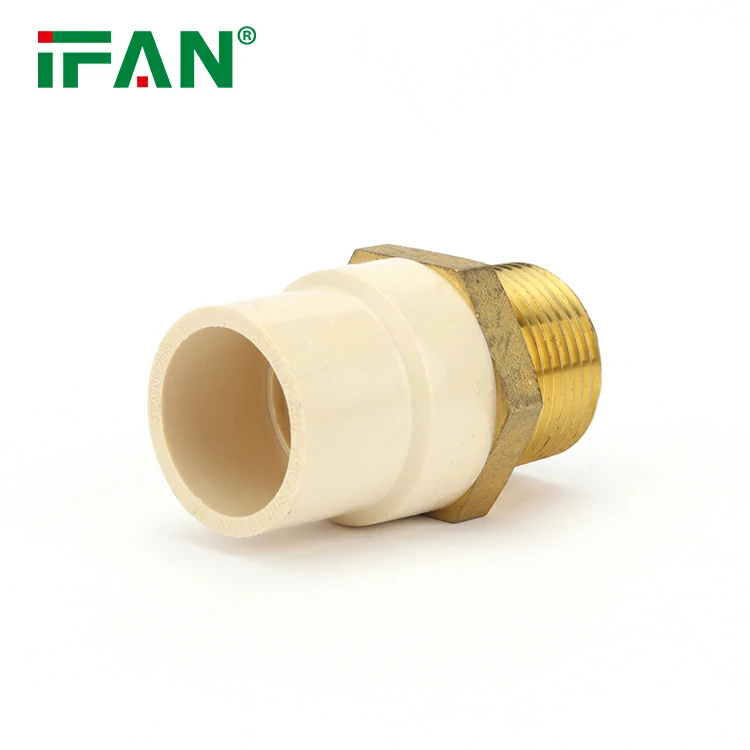
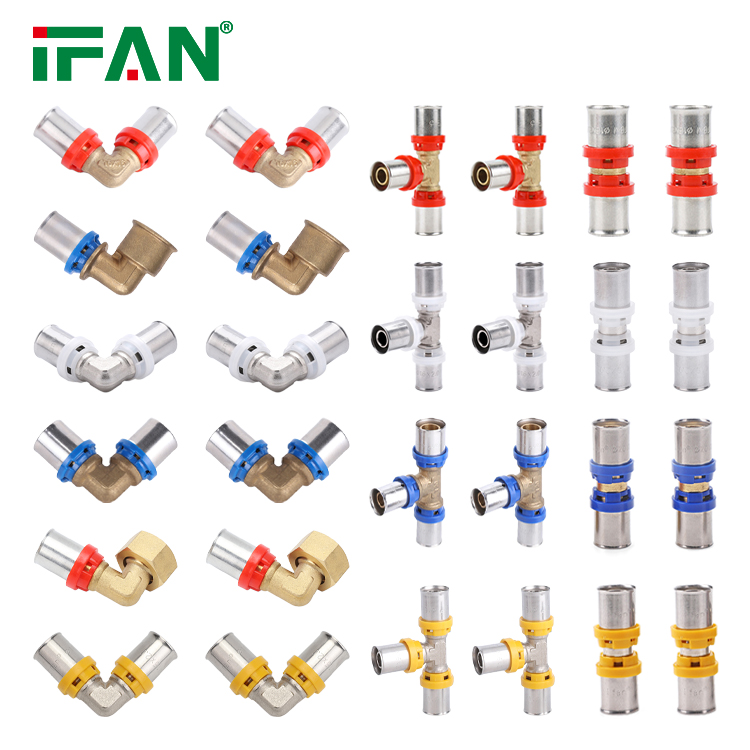
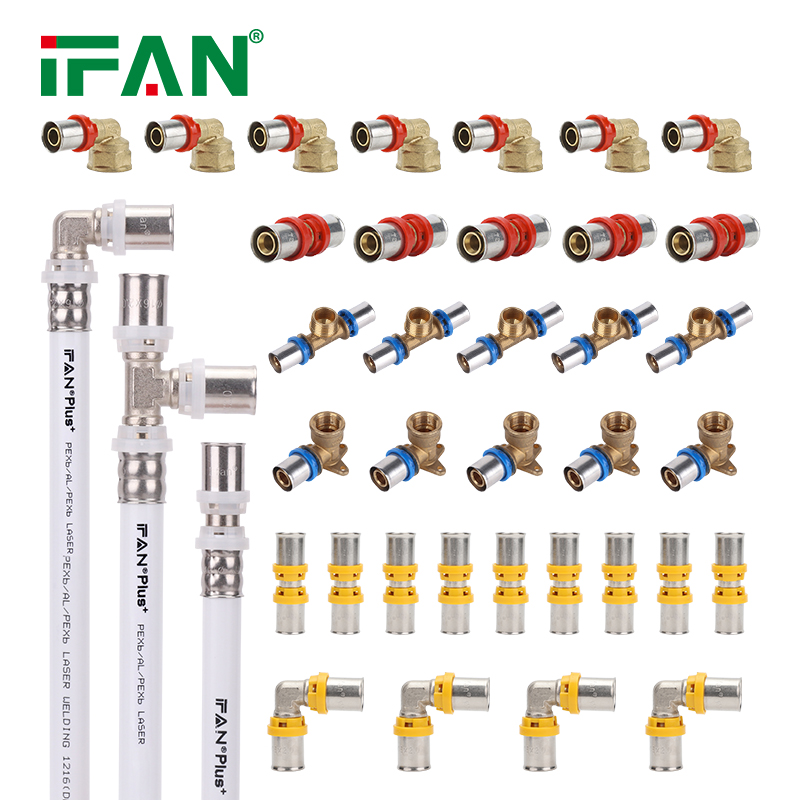
CPVC pipe fittings are essential components of a plumbing system that allow for the connection and proper flow of water and other liquids. Traditionally, metal fittings such as copper or brass have been used, but these materials are prone to corrosion, leading to leaks and other plumbing problems. CPVC pipe fittings, on the other hand, offer superior corrosion resistance and can withstand high temperatures, making them a popular choice for industrial and commercial plumbing systems.
Advantages of CPVC Pipe Fittings (150 words)
There are several advantages to using CPVC pipe fittings in your plumbing system. Firstly, CPVC is chlorine-resistant, meaning it can handle exposure to chlorine and other harsh chemicals without deteriorating. Secondly, it is lightweight and easy to install, making it ideal for both DIY projects and commercial installations. Thirdly, it is cost-effective, as it is cheaper than metal alternatives and requires less maintenance over time. Finally, CPVC fittings are both durable and long-lasting, making them an excellent investment for any plumbing system.
Choosing the Right CPVC Pipe Fittings (100 words)
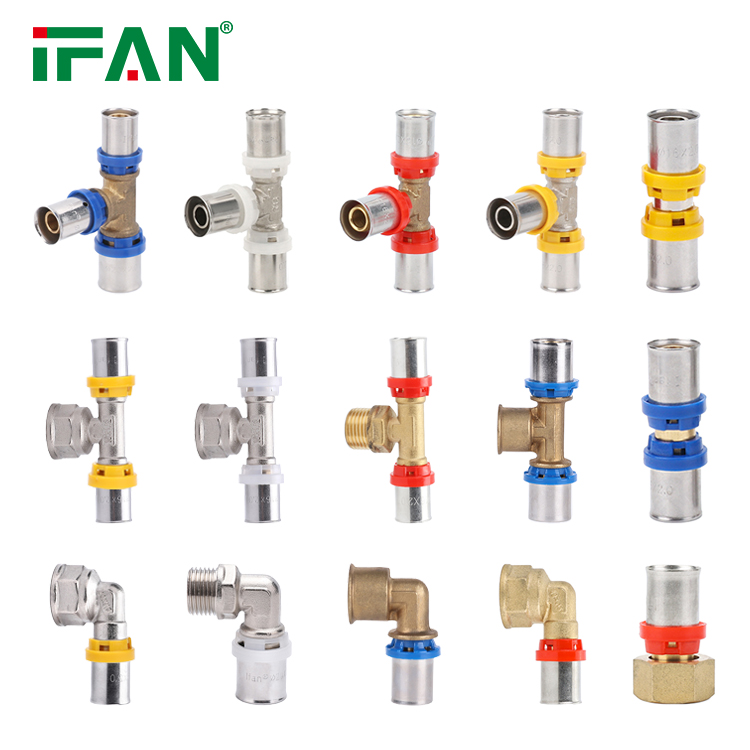
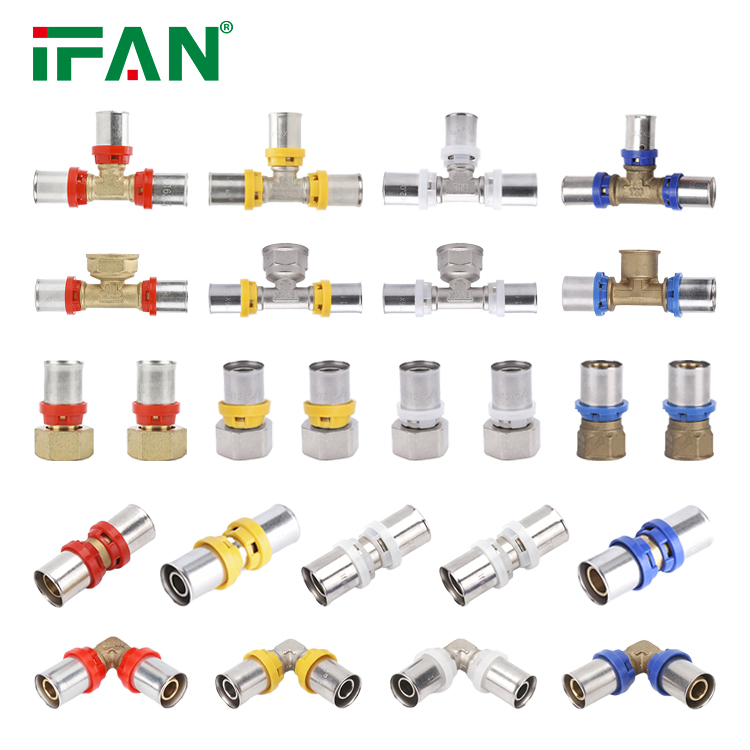
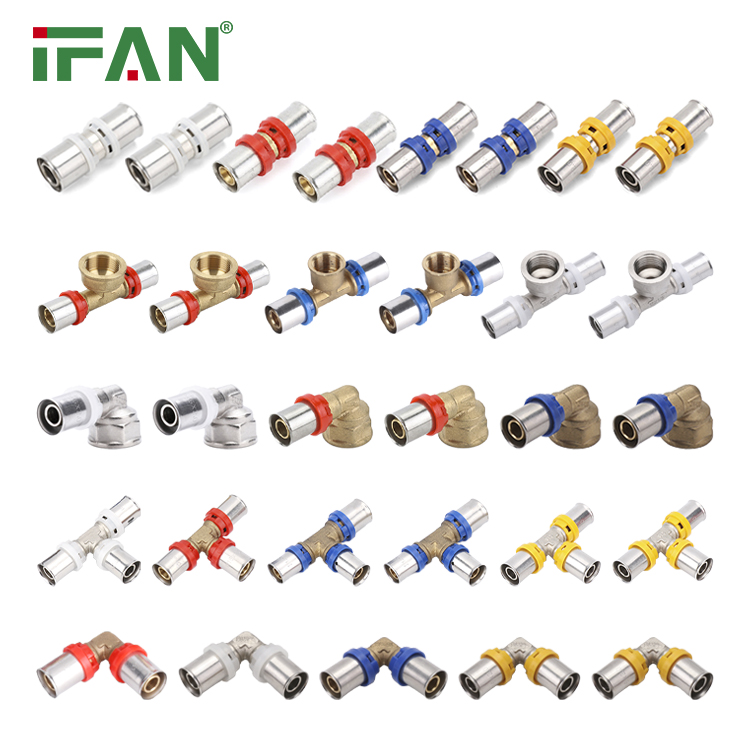
When choosing CPVC pipe fittings for your plumbing system, it is essential to consider the specific needs of your project. Factors to consider include the size and type of piping, the water pressure, and the intended use of the system. It is also important to choose high-quality fittings from a reputable supplier to ensure the best results and avoid leaks or other problems down the line.
Conclusion (50 words)
In conclusion, CPVC pipe fittings are an excellent choice for any plumbing system, offering superior corrosion resistance, durability, and affordability. By choosing the right fittings for your system and using high-quality materials, you can ensure a reliable and efficient plumbing system that will stand the test of time.