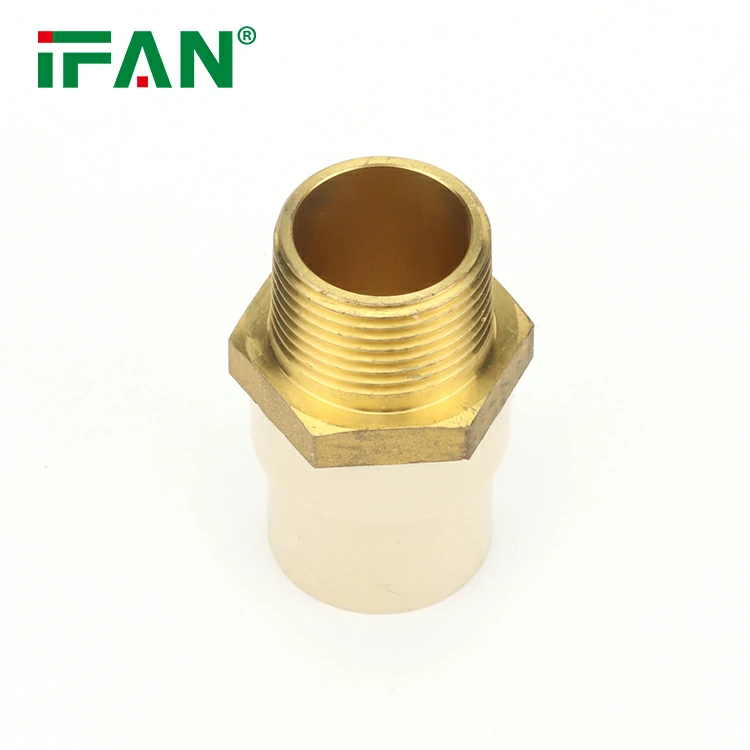
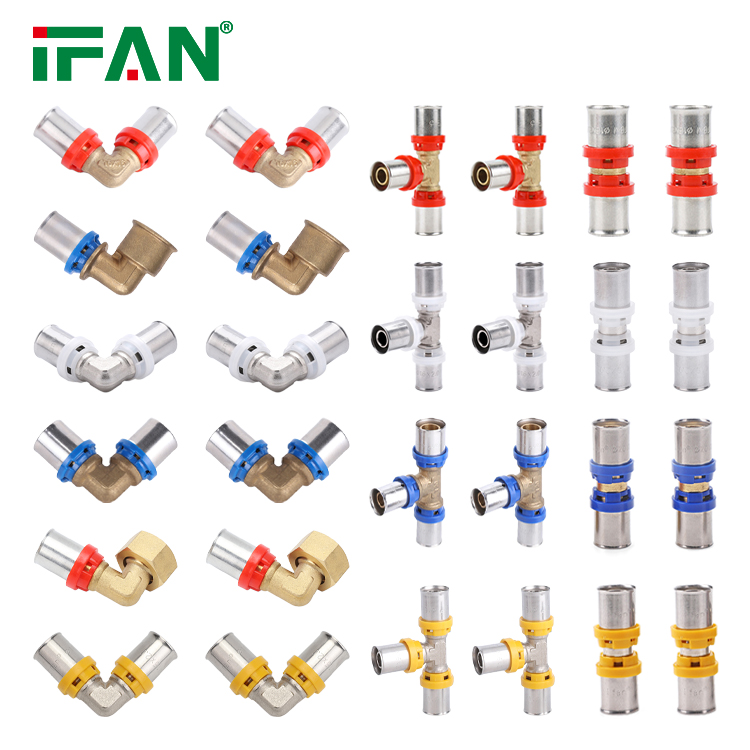
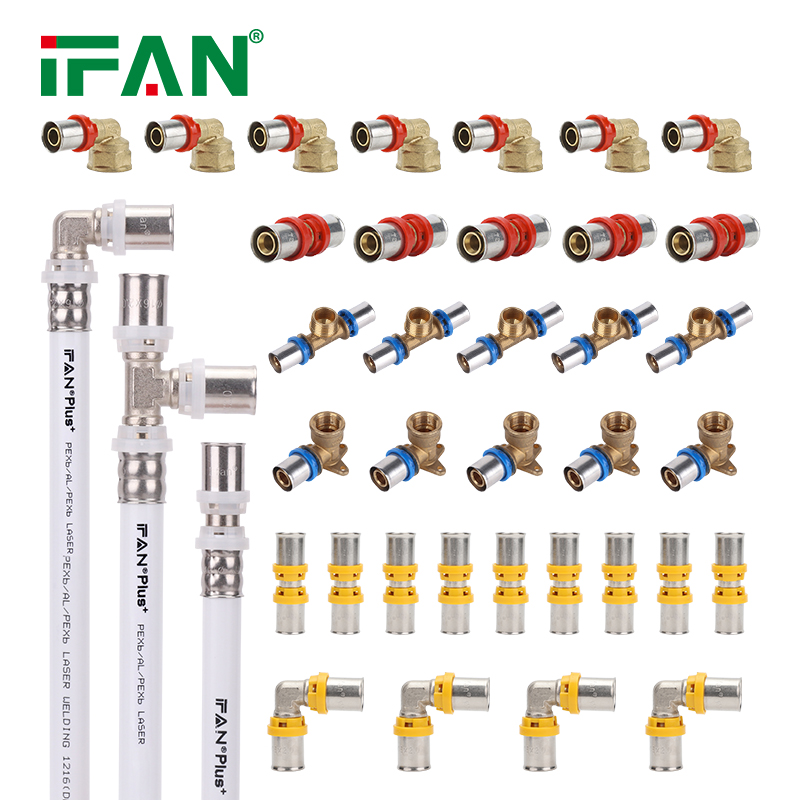
Save Time, Money, and Effort with Efficient CPVC Pipe Fittings
Introduction:
CPVC Pipe Fittings are a type of plastic piping system that primarily serves as a replacement for traditional copper, steel, and iron pipes that are used in high and low-pressure water distribution systems. CPVC pipes are capable of handling extremely high temperatures and pressures, and they are also resistant to corrosive chemicals and UV rays, making them an attractive option for use in industrial and commercial settings.
Features and Benefits:
- Durability: CPVC Pipe Fittings are highly durable and long-lasting compared to other types of piping systems. The material’s resilience helps to prevent cracking, leaks, corrosion, and other forms of damage that can occur over time.
- Chemical Resistance: CPVC has excellent chemical resistance properties, making it an ideal choice for use in chemical handling and processing industries.
- Heat Resistance: CPVC can withstand high temperatures of up to 200°F, making it suitable for use in hot water supply systems and industrial applications.
- Superior Flow Characteristics: CPVC pipes have smoother inner surfaces than traditional pipes. Therefore, they offer superior flow characteristics, making them ideal for water distribution systems.
- Lightweight: CPVC pipes are lightweight, making them easy to install and handle, and reducing the risk of injury during installation.
- Cost-Effective: CPVC Pipe Fittings are relatively inexpensive compared to traditional piping systems, and their installation requires fewer tools, making them a cost-effective solution.
- Eco-Friendly: CPVC pipes are 100% recyclable, making them an environmentally-friendly option that can help to reduce the carbon footprint of industrial and commercial water distribution systems.
Conclusion:
In conclusion, CPVC Pipe Fittings offer multiple benefits, including durability, heat resistance, chemical resistance, superior flow characteristics, and cost-effectiveness. By using CPVC pipe fittings in industrial and commercial water distribution systems, businesses can save time, money, and effort, while improving the reliability and efficiency of their operations.