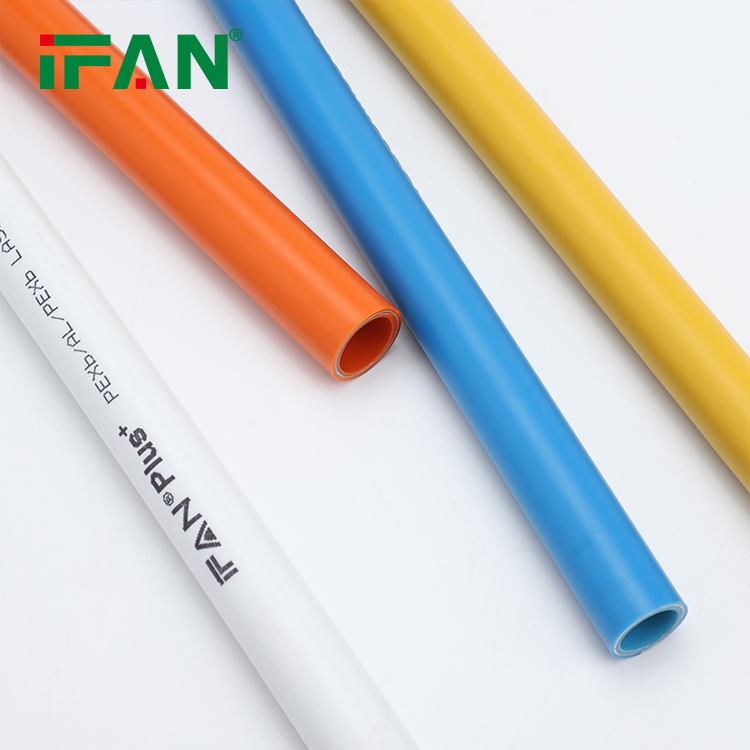
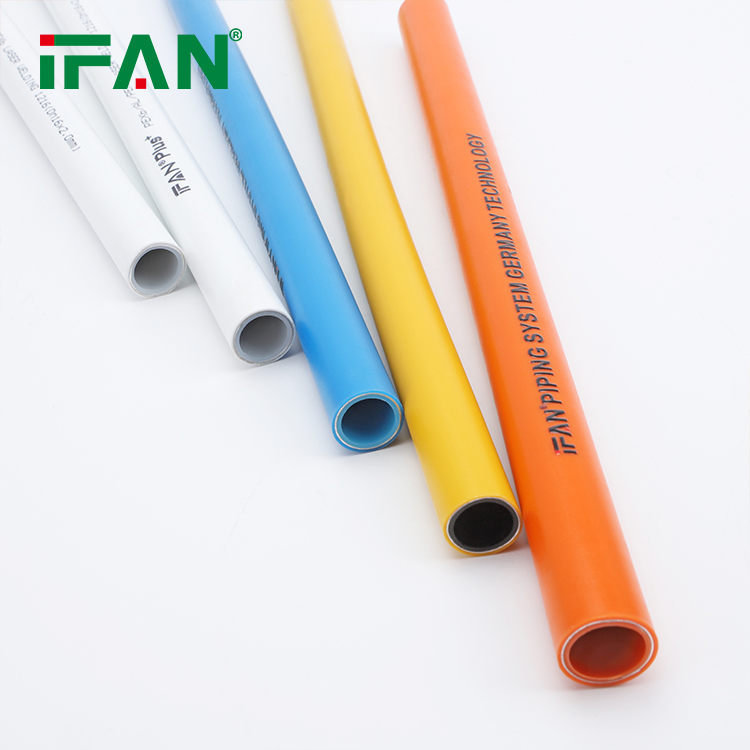
CPVC Pipe Fittings: A Smart Choice for Fire Protection Systems
Introduction:
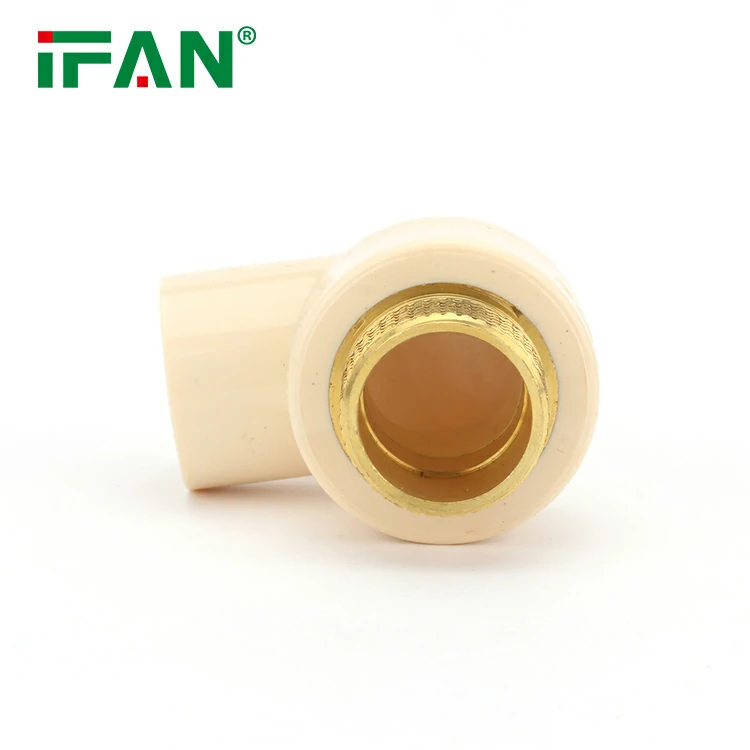
CPVC pipe and fittings are made from a thermoplastic material called chlorinated polyvinyl chloride. They are well suited for a wide range of applications, including fire protection systems. In this article, we will discuss the benefits of using CPVC pipe fittings for fire protection systems.
- High Temperature Resistance:
CPVC pipe fittings have a high temperature threshold, making them ideal for fire protection systems. They can withstand temperatures of up to 200°F without affecting their performance and integrity. This makes them highly resistant to damage from hot water or fire. Moreover, CPVC pipe fittings are self-extinguishing, which means that they will not contribute to the spread of fire.
- Corrosion Resistance:
CPVC pipe fittings offer excellent resistance to corrosion from water or other chemicals. They have a smooth surface that prevents the growth of bacteria, fungi, and algae. This feature makes them ideal for use in fire sprinkler systems, which require minimum maintenance.
- Superior Toughness:
CPVC pipe fittings have superior toughness as compared to other materials. This makes them less susceptible to damages arising from accidental impacts or external factors. Additionally, they are more resistant to cracks and fractures caused by pressure or thermal stress.
- Lightweight & Easy to Install:
CPVC pipe fittings are lightweight, making them easy to handle and install. They do not require heavy equipment or manpower for installation, which saves time and money. Moreover, they require fewer fittings and connectors, which minimizes the risk of leaks and makes installations easier to maintain.
Conclusion:
CPVC pipe fittings are a smart choice for fire protection systems due to their high temperature resistance, corrosion resistance, superior toughness, lightweight, and ease of installation. They provide a long-lasting, reliable, and cost-effective solution for fire protection systems.
Meta Description:
CPVC pipe fittings are an excellent choice for fire protection systems due to their high-temperature threshold, corrosion resistance, superior toughness, lightweight, and easy installation.