The Benefits of Using CPVC Pipe Fittings in Chemical Processing Plants
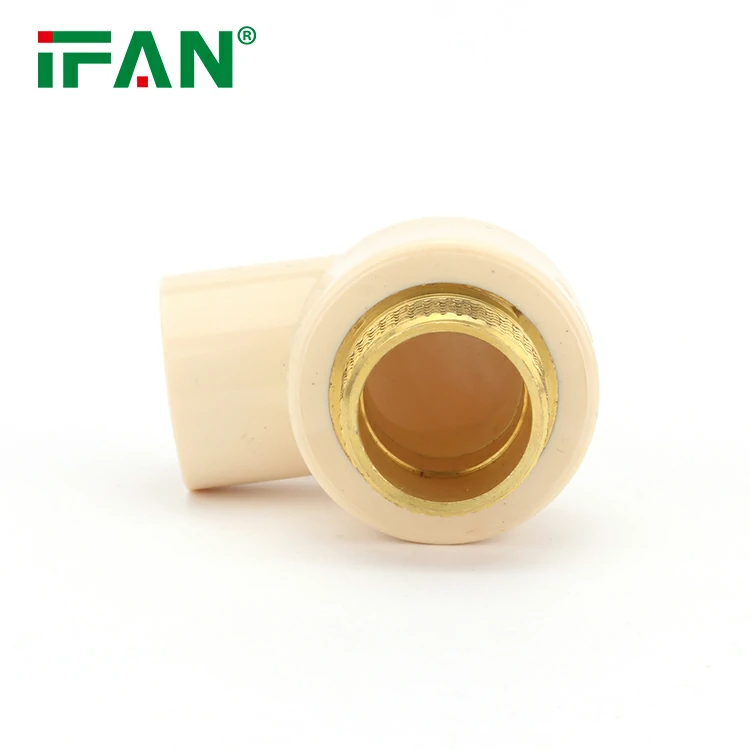
Chemical processing plants rely heavily on the safe and efficient transportation of various chemicals and fluids through pipes. The choice of pipe materials and fittings is crucial in maintaining the integrity of the system and preventing leaks, corrosion, and contamination. One popular option for pipe fittings is CPVC (Chlorinated Polyvinyl Chloride), a thermoplastic material with several benefits over other common materials like PVC and metal.
- Corrosion Resistance
Chemicals used in chemical processing often react with the pipe materials and cause corrosion. CPVC is highly resistant to most acids, alkalis, and salts, making it an ideal choice for handling aggressive fluids. Unlike metal pipes, CPVC does not rust or oxidize, ensuring the longevity of the system and avoiding potential leaks.
- Temperature Resistance
CPVC pipe fittings can withstand temperatures up to 200°F, which is higher than PVC and many metals. This durability makes CPVC suitable for handling high-temperature fluids and steam, which are commonly used in chemical processing. Moreover, the material does not become brittle or crack even at low temperatures, ensuring the system’s safety and reliability in extreme conditions.
- Ease of Installation
CPVC pipe fittings are lightweight and easy to install compared to metal pipes. They require no welding or threading and can be joined using solvent cement or mechanical couplings, reducing labor and installation costs. Moreover, their smooth interior surface reduces friction and pressure loss, ensuring the efficient flow of fluids.
- Resistance to Fire and Smoke
CPVC has excellent fire-retardant properties, making it a safer option than other materials like PVC and metal. In case of a fire, CPVC does not produce toxic fumes or smoke, reducing the risk of harm to people and equipment.
- Cost-Effective
CPVC is a cost-effective material for pipe fittings, especially compared to metal pipes. Its corrosion resistance and durability ensure a longer lifespan, reducing the need for frequent replacements and repairs. Moreover, its ease of installation and low maintenance requirements further drive down the overall costs.
In conclusion, CPVC pipe fittings offer several advantages over other materials in chemical processing plants, including corrosion resistance, temperature resistance, ease of installation, fire resistance, and cost-effectiveness. By choosing high-quality CPVC fittings, chemical processing plants can ensure the safety, reliability, and efficiency of their piping systems.