In the realm of plumbing and water supply systems, the introduction of new standards can significantly impact the materials and methods used in construction. Borealis, a leading provider of innovative polyolefin solutions, has recently announced the recognition of PP-RCT (Polypropylene Random Copolymer with Temperature Resistance) under the new DIN standards for water pressure pipe fittings. This development marks a significant milestone in the industry, particularly for PPR fittings, which are increasingly favored for their performance and reliability. This article explores the implications of these new standards, the benefits of PP-RCT, and the future of PPR fittings in water supply systems.

1. Understanding PPR Fittings
1.1. What Are PPR Fittings?
PPR fittings are essential components in plumbing systems, made from polypropylene, a thermoplastic polymer known for its excellent strength and chemical resistance. These fittings are designed to connect pipes, ensuring a secure and leak-free flow of water. PPR fittings are lightweight, easy to install, and suitable for both hot and cold water applications, making them a popular choice for modern plumbing solutions.
1.2. Types of PPR Fittings
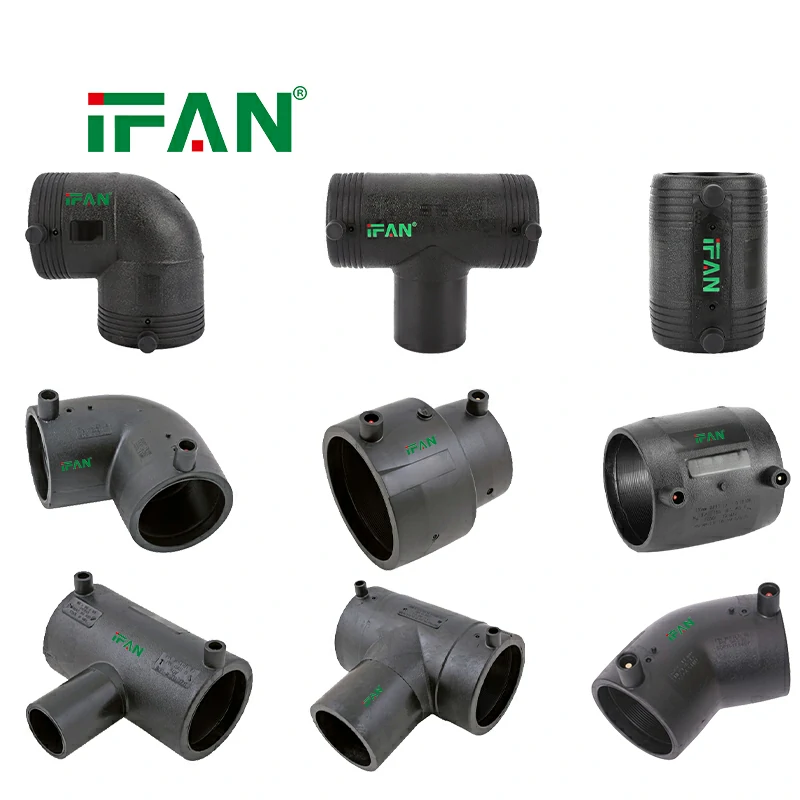
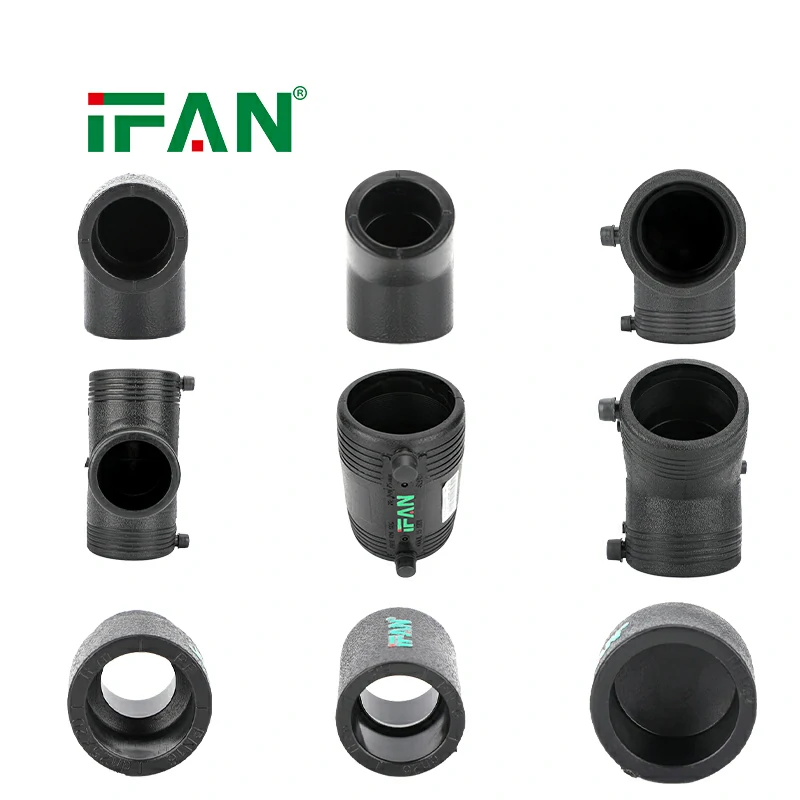
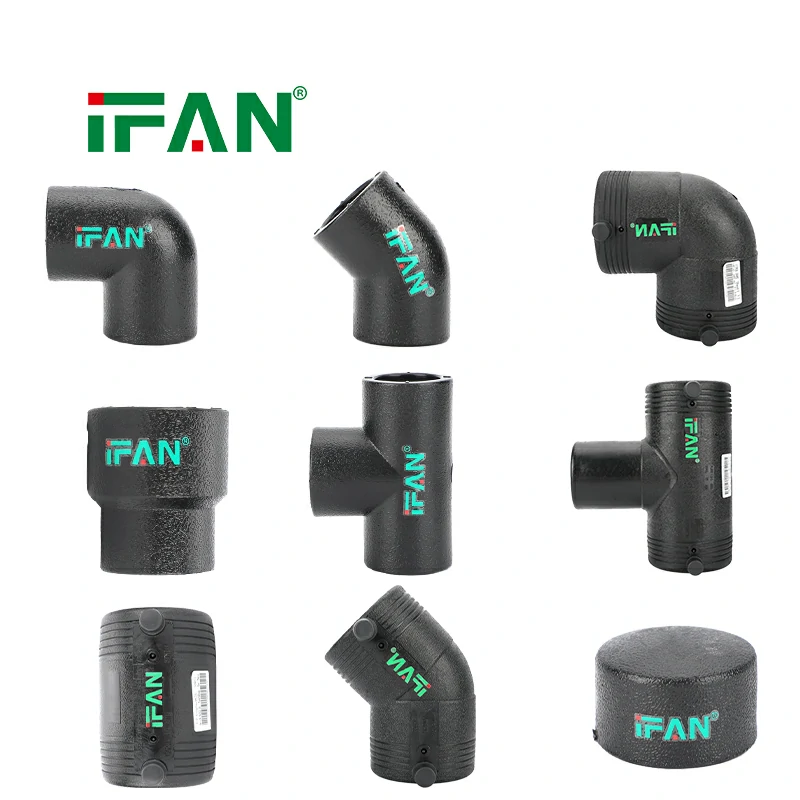
PPR fittings come in various shapes and sizes to accommodate different plumbing needs. Common types include:
- Elbows: Used to change the direction of piping.
- Tees: Allow for branching off in multiple directions.
- Couplings: Connect two sections of pipe together.
- Adapters: Facilitate connections between PPR pipes and other materials.
2. The Emergence of PP-RCT
2.1. What is PP-RCT?
PP-RCT is an advanced version of traditional PPR, specifically designed to offer enhanced temperature resistance and pressure capabilities. The “RCT” in PP-RCT stands for “Random Copolymer with Temperature Resistance,” indicating its superior performance in high-temperature applications. This material is increasingly being recognized for its ability to withstand higher pressures and temperatures compared to standard PPR fittings.
2.2. Advantages of PP-RCT
The introduction of PP-RCT brings several advantages to the table:
- Higher Temperature Resistance: PP-RCT can handle temperatures up to 95°C, making it suitable for hot water applications without compromising integrity.
- Increased Pressure Ratings: This material can withstand higher pressure ratings, ensuring a reliable water supply in various applications.
- Improved Longevity: With enhanced resistance to thermal aging, PP-RCT fittings have a longer lifespan compared to traditional PPR fittings.
3. New DIN Standards and Their Implications
3.1. Overview of DIN Standards
The German Institute for Standardization (DIN) is responsible for developing standards that ensure quality and safety in various industries, including plumbing. The new DIN standards for water pressure pipe fittings recognize PP-RCT as a viable material, setting the stage for broader adoption in plumbing systems across Europe and beyond.
3.2. Implications for the Industry
The recognition of PP-RCT under these new standards has several implications for the plumbing industry:
- Enhanced Credibility: The endorsement of PP-RCT by DIN enhances its credibility, encouraging builders and contractors to adopt this material for their projects.
- Increased Demand: As awareness of the benefits of PP-RCT grows, the demand for PPR fittings is expected to rise, driving innovation and competition in the market.
- Improved Safety Standards: With the adoption of new standards, consumers can be assured of the safety and reliability of PPR fittings in their plumbing systems.
4. The Role of Borealis in Advancing PPR Fittings
4.1. Commitment to Innovation
Borealis is at the forefront of developing high-performance polyolefin solutions, including PP-RCT. The company’s commitment to innovation has led to the creation of materials that meet the evolving needs of the plumbing industry.
4.2. Collaboration with Industry Stakeholders
Borealis collaborates with various industry stakeholders, including manufacturers, contractors, and regulatory bodies, to ensure that its products meet the highest standards. This collaborative approach has been instrumental in the recognition of PP-RCT under the new DIN standards.
4.3. Focus on Sustainability
Borealis is also committed to sustainability, employing eco-friendly practices in its manufacturing processes. The use of PP-RCT not only enhances performance but also aligns with sustainable building practices, reducing the environmental impact of plumbing systems.
5. Applications of PP-RCT in Water Supply Systems
5.1. Residential Plumbing
PP-RCT fittings are increasingly used in residential plumbing systems for hot and cold water supply. Their durability and temperature resistance make them ideal for domestic applications, ensuring a reliable water supply for homeowners.
5.2. Commercial Buildings
In commercial buildings, PP-RCT fittings offer efficient water distribution solutions. Their ability to handle high pressures