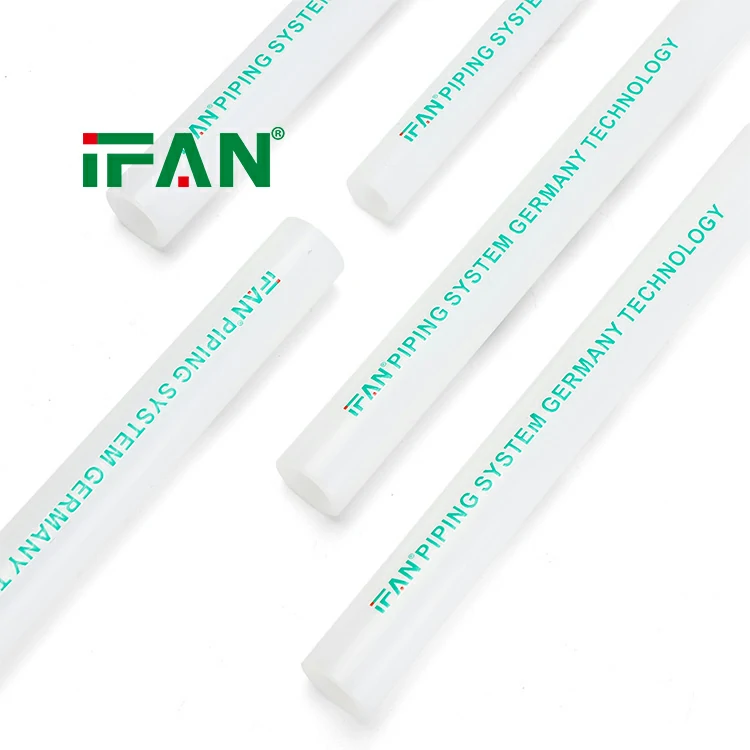
In the world of plumbing and piping systems, the choice of fittings is crucial for ensuring reliable and efficient water distribution. One such essential component is the brass fitting PPR female socket coupling. This article explores the features, benefits, applications, and installation processes of brass fittings, particularly focusing on the PPR female socket coupling designed for both cold and hot water feeding.
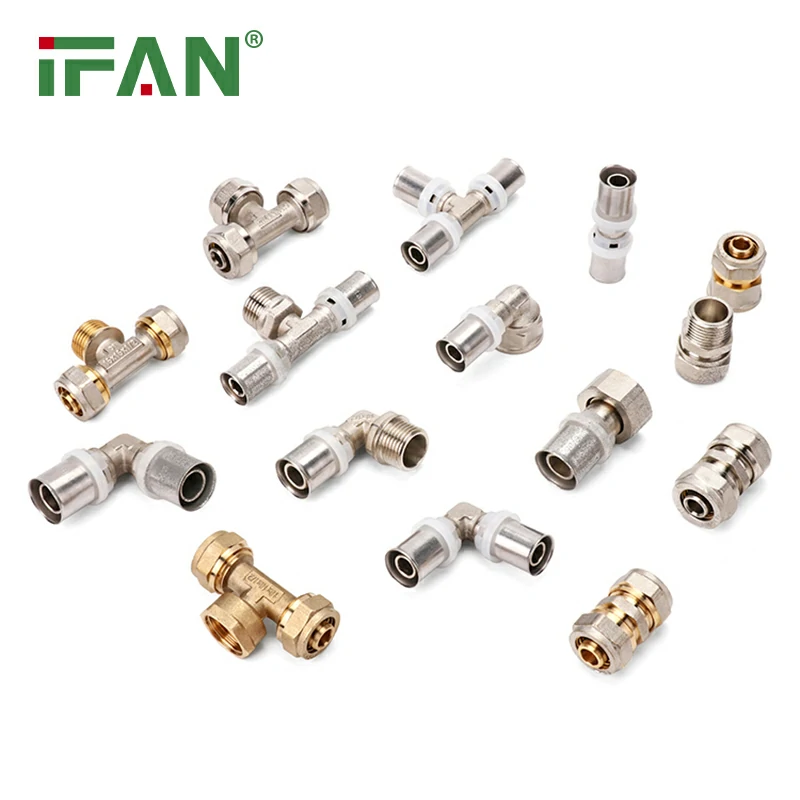
Understanding Brass Fittings
What are Brass Fittings?
Brass fittings are plumbing components made from an alloy of copper and zinc, known for their durability, corrosion resistance, and excellent mechanical properties. These fittings are used to connect pipes, valves, and other equipment in various applications, including residential, commercial, and industrial settings.
Importance of Brass Fittings in Plumbing
Brass fittings are favored in plumbing systems due to their ability to withstand high pressure and temperature. Their versatility makes them suitable for a wide range of applications, from simple residential plumbing to complex industrial systems. Among these fittings, the PPR (Polypropylene Random Copolymer) female socket coupling stands out for its unique benefits.
The PPR Female Socket Coupling
What is a PPR Female Socket Coupling?
A PPR female socket coupling is a type of fitting designed to connect two pipes or fittings with female threads. This coupling is made from PPR, a type of plastic known for its excellent thermal and chemical resistance. When combined with brass fittings, it offers a robust solution for transporting both cold and hot water.
Features of Brass Fitting PPR Female Socket Coupling
- Durability: The combination of brass and PPR enhances the longevity of the coupling, making it resistant to wear and tear.
- Corrosion Resistance: Brass fittings resist corrosion, while PPR is impervious to rust and chemical reactions, ensuring a long-lasting connection.
- Temperature Tolerance: This coupling can handle both cold and hot water, making it versatile for various plumbing applications.
- Easy Installation: The design of the female socket coupling allows for straightforward installation, reducing the time and effort required for assembly.
- Leak-Proof Connection: The tight seal provided by the female socket ensures a leak-proof connection, minimizing the risk of water damage.
Applications of Brass Fitting PPR Female Socket Coupling
Residential Plumbing
In residential plumbing systems, brass fitting PPR female socket couplings are commonly used for connecting water supply lines, ensuring efficient distribution of cold and hot water throughout the home. Their durability and reliability make them ideal for both new constructions and renovations.
Commercial and Industrial Use
In commercial and industrial settings, these couplings are utilized in various applications, including HVAC systems, irrigation, and water treatment facilities. Their ability to withstand high pressures and temperatures makes them suitable for demanding environments.
Hot Water Systems
Brass fittings combined with PPR female socket couplings are particularly beneficial in hot water systems. They can handle the thermal expansion and contraction associated with hot water, ensuring a stable and reliable connection.
Installation Process
Tools Required
To install a brass fitting PPR female socket coupling, you will need the following tools:
- Pipe cutter
- Wrench
- Plumber’s tape
- Cleaning cloth
- Heat gun (if using PPR pipes)
Step-by-Step Installation Guide
- Preparation: Begin by turning off the water supply and draining any residual water from the pipes. Ensure that the work area is clean and free of debris.
- Cutting the Pipe: Use a pipe cutter to cut the PPR pipe to the desired length. Ensure that the cut is straight for a proper fit.
- Cleaning the Pipe Ends: Clean the ends of the PPR pipes and the brass fitting with a cloth to remove any dust or debris.
- Applying Plumber’s Tape: Wrap plumber’s tape around the threads of the brass fitting to ensure a tight seal and prevent leaks.
- Connecting the Fittings: Insert the PPR pipe into the female socket of the brass fitting. Use a wrench to tighten the connection gently, ensuring it is secure but not over-tightened.
- Heat Fusion (if necessary): If using PPR pipes, you may need to heat the pipe ends with a heat gun before inserting them into the fitting. This allows for a stronger bond.
- Testing for Leaks: Once installed, turn the water supply back on and check for any leaks around the connection. If any leaks are detected, tighten the fitting further.
Benefits of Using Brass Fitting PPR Female Socket Coupling
Cost-Effectiveness
Brass fittings are known for their durability and long lifespan, which translates to lower maintenance and replacement costs over time. The initial investment in quality fittings pays off in the long run.
Versatility
The ability to handle both cold and hot water makes brass fitting PPR female socket couplings versatile for