Introduction
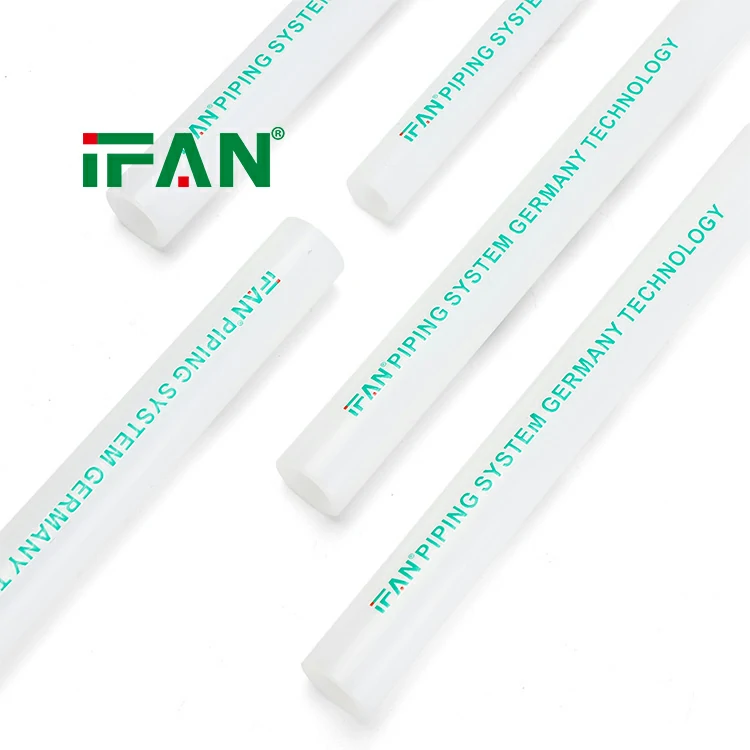
In a significant move for the plumbing industry, the California Plumbing Code has officially recognized PEX (crosslinked polyethylene) pipe as an acceptable material for plumbing systems. This decision marks a pivotal moment for builders, contractors, and homeowners, as PEX offers numerous advantages over traditional piping materials. In this article, we will explore the implications of this change, the benefits of PEX, and how it compares to PPR (Polypropylene Random Copolymer) pipes. By examining these aspects, we can gain a comprehensive understanding of the evolving plumbing landscape in California.
Understanding PEX Pipe
What is PEX Pipe?
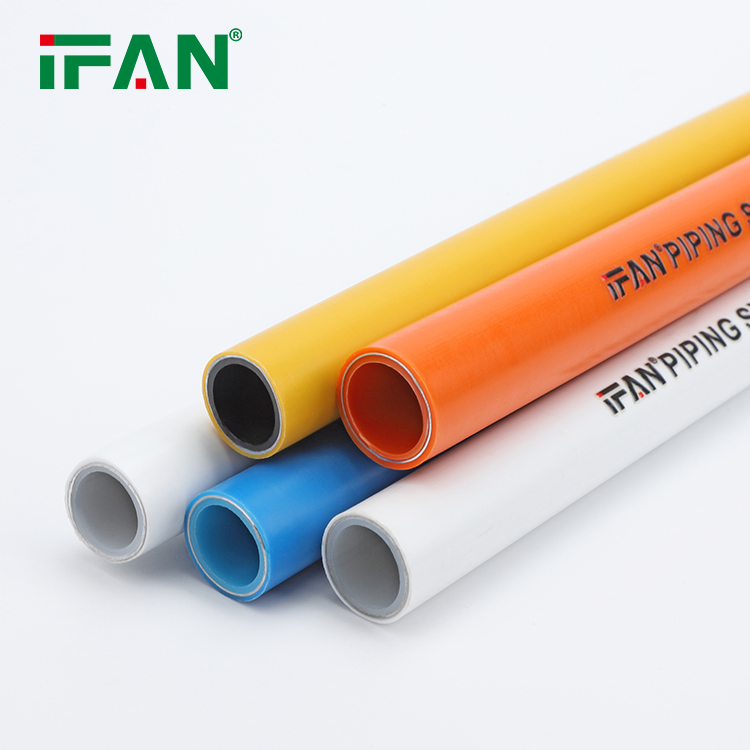
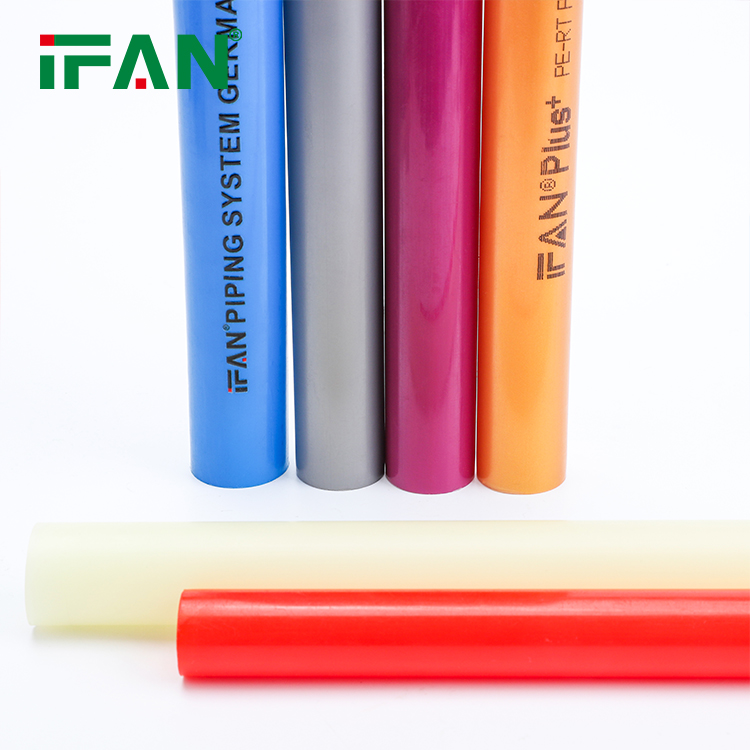
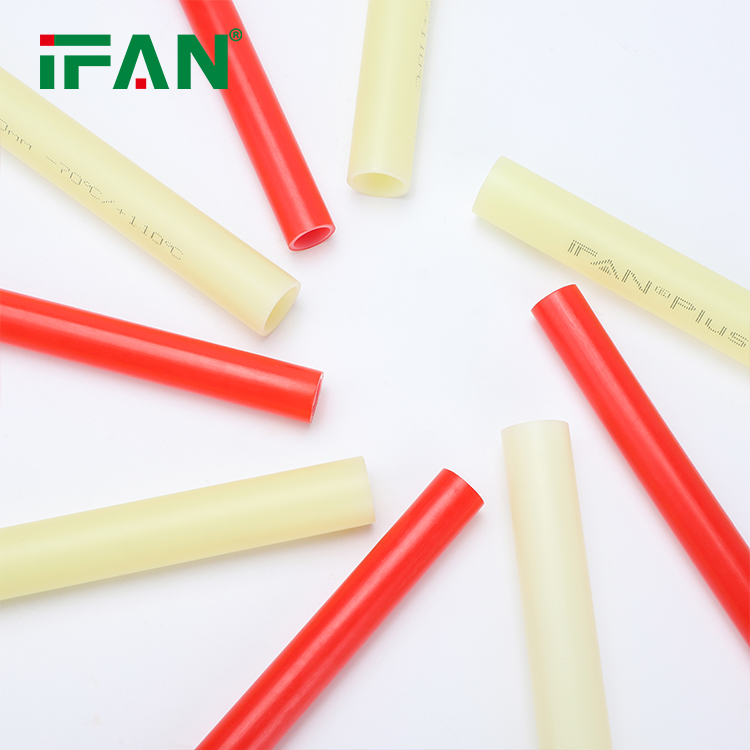
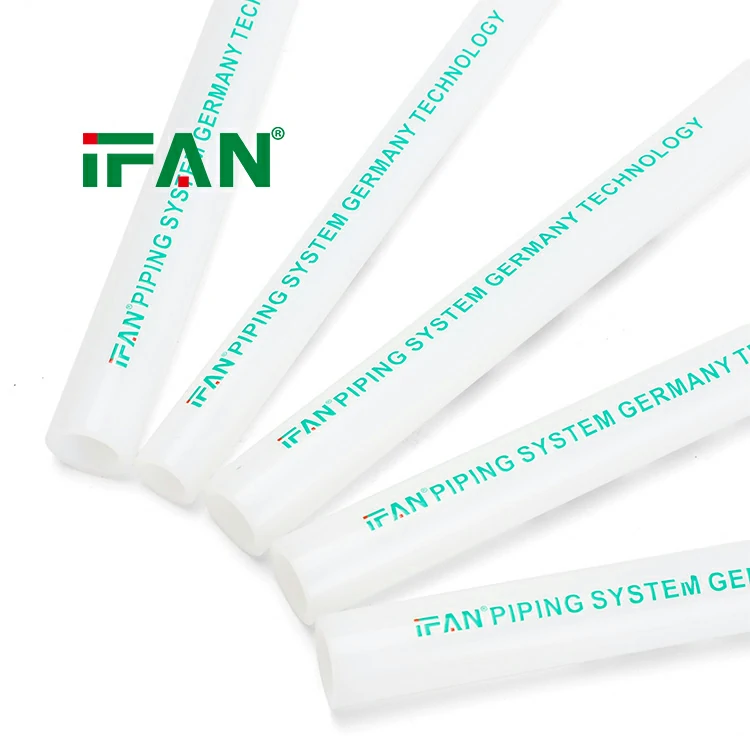
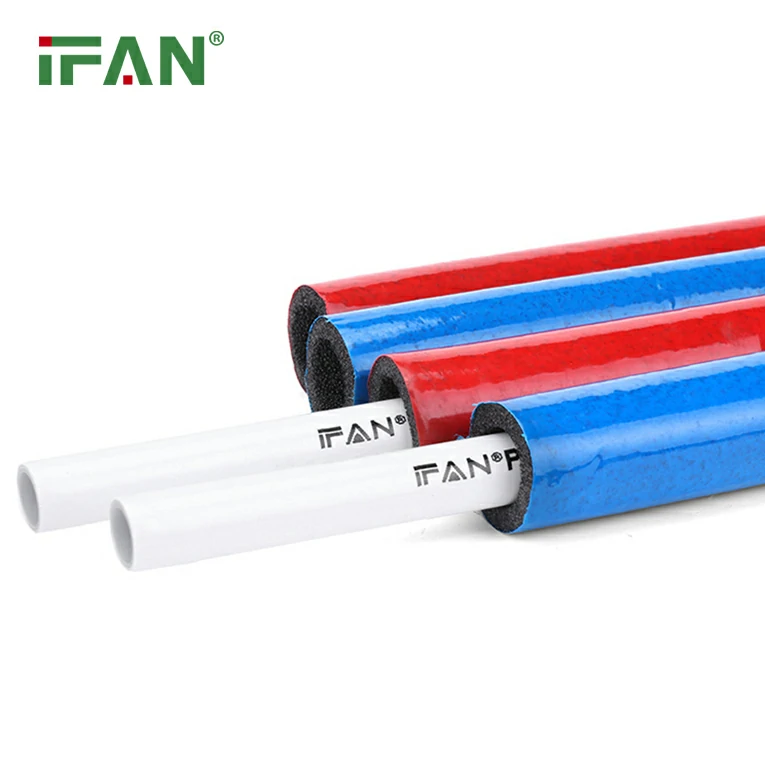
PEX pipe is a flexible plastic piping solution that has gained popularity in residential and commercial plumbing systems. Made from crosslinked polyethylene, PEX is known for its durability, resistance to corrosion, and ability to withstand high temperatures. Its flexibility allows for easy installation, especially in complex plumbing layouts, making it a favored choice among contractors.
Key Features of PEX Pipe
- Flexibility: PEX can bend and curve around obstacles, reducing the need for additional fittings and simplifying installation.
- Corrosion Resistance: Unlike metal pipes, PEX does not corrode, ensuring a longer lifespan and lower maintenance costs.
- Thermal Efficiency: PEX retains heat well, which can lead to energy savings in hot water applications.
- Reduced Noise: The material dampens sound, resulting in quieter plumbing systems compared to traditional metal pipes.
- Cost-Effectiveness: PEX is often more affordable than other piping materials, making it an attractive option for both new constructions and renovations.
The Implications of PEX Acceptance in California
Benefits for Builders and Contractors
The acceptance of PEX pipe in the California Plumbing Code opens up new opportunities for builders and contractors. Some of the key benefits include:
- Increased Efficiency: PEX installation is quicker and easier than traditional piping methods, allowing contractors to complete projects faster.
- Lower Labor Costs: The simplified installation process can lead to reduced labor costs, making projects more cost-effective.
- Versatility: PEX can be used for various applications, including potable water, radiant heating, and snow melting systems, providing flexibility for contractors.
Impact on Homeowners
For homeowners, the acceptance of PEX pipe in California means access to a modern, efficient plumbing solution. The benefits for homeowners include:
- Improved Performance: PEX pipes can enhance the overall performance of plumbing systems, leading to better water flow and temperature control.
- Reduced Maintenance: The durability and corrosion resistance of PEX can lead to fewer plumbing issues and lower maintenance costs over time.
- Sustainability: PEX is often considered a more sustainable option due to its energy efficiency and potential for reduced water waste.
Comparing PEX and PPR Pipes
What is PPR Pipe?
PPR (Polypropylene Random Copolymer) pipe is another popular piping material used in plumbing applications. Known for its excellent chemical resistance and thermal insulation properties, PPR is suitable for both hot and cold water systems.
Key Features of PPR Pipe
- Longevity: PPR pipes have a lifespan of over 50 years, making them a reliable choice for long-term plumbing solutions.
- Chemical Resistance: PPR is resistant to a wide range of chemicals, making it suitable for various applications, including industrial uses.
- Thermal Insulation: PPR provides excellent thermal insulation, helping to maintain the temperature of the water flowing through it.
- Lightweight and Easy to Handle: PPR pipes are lightweight, which simplifies transportation and installation.
- Recyclability: PPR is fully recyclable, contributing to sustainable construction practices.
Performance Comparison: PEX vs. PPR
When comparing PEX and PPR pipes, several factors come into play:
- Flexibility: PEX is highly flexible, allowing for easier installation in complex plumbing layouts, while PPR is more rigid and may require additional fittings.
- Temperature Tolerance: PEX pipes can handle temperatures up to 95°C (203°F), while PPR pipes are suitable for temperatures up to 80°C (176°F). This makes PEX a better choice for high-temperature applications.
- Connection Methods: PEX pipes require specific fittings and crimping tools, while PPR is typically joined using heat fusion methods. PEX’s connection methods can lead to faster installation times.
- Cost: PEX is generally more cost-effective than PPR, especially in terms of installation labor and materials.
The Future of Plumbing in California
Embracing Modern Materials
The acceptance of PEX pipe in the California Plumbing Code reflects a broader trend towards embracing modern materials and technologies in the plumbing industry. As more builders and contractors recognize the advantages of PEX, we can expect to see increased adoption across the state.
Sustainability and Efficiency
California has long been at the forefront of sustainability efforts, and the acceptance of PEX aligns with the state’s commitment to energy efficiency and water conservation. PEX’s thermal efficiency and reduced water waste make it a fitting choice for environmentally conscious plumbing solutions.
Regulatory Changes and Innovations
As the plumbing industry continues to evolve, regulatory changes will likely follow. The acceptance of PEX may pave the way for further innovations in plumbing materials and installation practices, benefiting both industry professionals and consumers.
Conclusion
The California Plumbing Code’s acceptance of PEX pipe represents a significant advancement in plumbing technology, offering numerous benefits for builders, contractors, and homeowners. With its flexibility, durability, and cost-effectiveness, PEX is poised to become a dominant material in the state’s plumbing landscape. As we look to the future, the continued adoption of modern materials like PEX and PPR will play a crucial role in shaping sustainable and efficient plumbing systems.
Frequently Asked Questions (FAQs)
1. What are the main advantages of PEX pipe?
PEX pipe offers flexibility, corrosion resistance, thermal efficiency, reduced noise, and cost-effectiveness, making it a popular choice for plumbing systems.
2. How does PEX compare to PPR pipe?
While PEX is flexible and suitable for high-temperature applications, PPR is known for its longevity and chemical resistance. Both materials have their advantages, depending on the specific application.
3. Can PEX be used for hot water applications?
Yes, PEX can handle hot water applications and is designed to withstand temperatures up to 95°C (203°F).
4. What is the lifespan of PEX pipe?
PEX pipes typically have a lifespan of over 50 years, making them a reliable choice for long-term plumbing solutions.
5. Is PEX pipe environmentally friendly?
Yes, PEX is considered environmentally friendly due to its energy efficiency, reduced water waste, and potential for recycling.