In recent years, the demand for sustainable energy solutions has led to increased interest in geothermal energy storage systems. One of the key components in these systems is the piping used to circulate heat transfer fluids. Photo-cross-linked polyethylene (PEX) pipes have emerged as a promising option due to their unique properties. This article explores the characterization of photo-cross-linked PEX pipes, discussing their advantages, performance, and applications in geothermal energy storage.
1. Introduction to PEX Pipes
1.1. What is PEX?
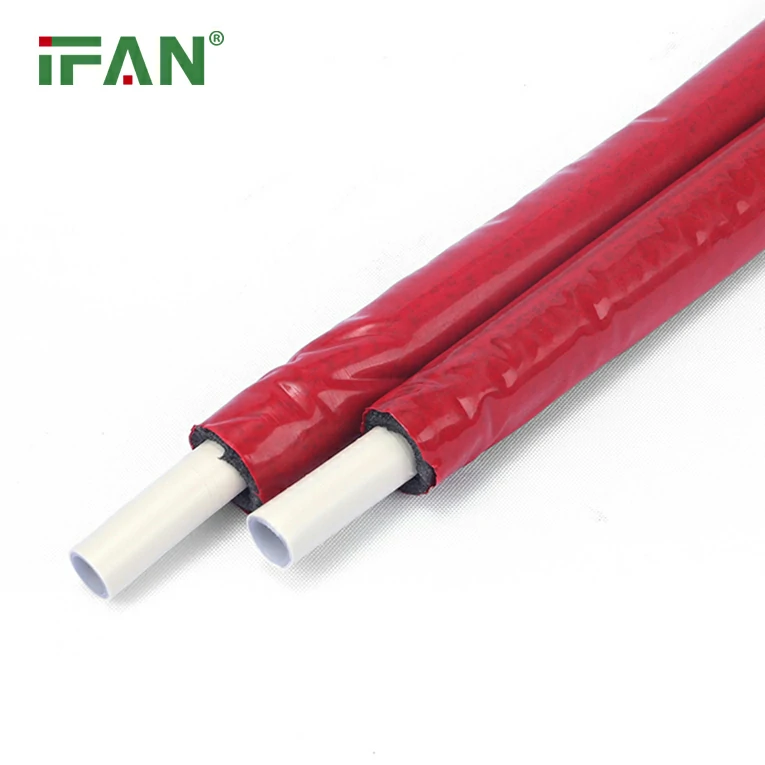
PEX, or cross-linked polyethylene, is a type of plastic piping that has been treated to enhance its properties. The cross-linking process improves the material’s strength, thermal stability, and resistance to chemical degradation. PEX pipes are widely used in plumbing, heating, and cooling applications due to their flexibility, ease of installation, and durability.
1.2. Photo-Cross-Linking Process
Photo-cross-linking is a method that utilizes ultraviolet (UV) light to initiate the cross-linking of polyethylene molecules. This process enhances the mechanical and thermal properties of the material, making it suitable for high-temperature applications, such as geothermal energy storage systems. The photo-cross-linking process is efficient and environmentally friendly, as it does not require the use of harsh chemicals.
2. Properties of Photo-Cross-Linked PEX Pipes
2.1. Mechanical Properties
The mechanical properties of photo-cross-linked PEX pipes are critical for their performance in geothermal applications. Key mechanical properties include:
- Tensile Strength: Photo-cross-linked PEX exhibits high tensile strength, making it resistant to deformation under stress.
- Flexural Modulus: The flexural modulus indicates the material’s stiffness. Photo-cross-linked PEX has an improved flexural modulus compared to standard PEX, allowing for better performance in geothermal systems.
- Impact Resistance: The cross-linking process enhances the impact resistance of PEX pipes, reducing the likelihood of cracking or breaking during installation and operation.
2.2. Thermal Properties
Thermal properties are crucial for the efficiency of geothermal energy storage systems. The key thermal properties of photo-cross-linked PEX pipes include:
- Thermal Conductivity: PEX pipes have low thermal conductivity, which minimizes heat loss during fluid transport. This property is essential for maintaining the efficiency of geothermal systems.
- Heat Resistance: Photo-cross-linked PEX can withstand higher temperatures compared to conventional PEX, making it suitable for the elevated temperatures often encountered in geothermal applications.
2.3. Chemical Resistance
Geothermal energy systems often involve the circulation of various fluids, some of which may be corrosive. Photo-cross-linked PEX pipes demonstrate excellent chemical resistance, allowing them to withstand exposure to a wide range of chemicals without degrading. This property enhances the longevity and reliability of geothermal systems.
3. Performance Evaluation of Photo-Cross-Linked PEX Pipes
3.1. Laboratory Testing
To characterize photo-cross-linked PEX pipes, various laboratory tests are conducted to evaluate their mechanical, thermal, and chemical properties. These tests typically include:
- Tensile Testing: Measures the tensile strength and elongation of the material.
- Flexural Testing: Assesses the flexural modulus and strength of the pipes.
- Thermal Conductivity Testing: Evaluates the thermal conductivity of the material at different temperatures.
- Chemical Resistance Testing: Tests the pipes’ resistance to various chemicals over extended periods.
3.2. Field Testing
In addition to laboratory testing, field tests are crucial for evaluating the performance of photo-cross-linked PEX pipes in real-world geothermal applications. These tests assess the pipes’ durability, flexibility, and overall performance under actual operating conditions.
4. Advantages of Using Photo-Cross-Linked PEX Pipes in Geothermal Energy Storage
4.1. Enhanced Durability
The cross-linking process significantly enhances the durability of PEX pipes, making them resistant to cracking, deformation, and chemical degradation. This durability is essential for the long-term performance of geothermal energy systems.
4.2. Improved Thermal Performance
Photo-cross-linked PEX pipes exhibit superior thermal performance compared to standard PEX. Their low thermal conductivity and high heat resistance ensure efficient heat transfer and minimal heat loss, optimizing the performance of geothermal systems.
4.3. Flexibility and Ease of Installation
PEX pipes are known for their flexibility, allowing for easy installation in various configurations. This flexibility reduces the need for fittings and joints, minimizing potential leak points in the system.
4.4. Cost-Effectiveness
While the initial cost of photo-cross-linked PEX pipes may be higher than traditional materials, their long-term durability and efficiency can lead to significant cost savings over time. Reduced maintenance and replacement costs make them a cost-effective choice for geothermal energy systems.