Introduction
The growing concern over water scarcity has led to increased efforts from governments and organizations worldwide to improve water management and reduce wastage. One of the significant advancements in plumbing technology is the introduction of PPR fittings (Polypropylene Random Copolymer) into water distribution systems. The Ministry of Water Resources and related governmental bodies have recently welcomed the integration of PPR fittings as a key solution to reduce water loss in plumbing infrastructure. These fittings are known for their durability, resistance to corrosion, and leak-proof qualities, making them an ideal choice for reducing water wastage in both residential and commercial plumbing systems. In this article, we will explore how PPR fittings contribute to water conservation, their advantages over traditional plumbing systems, and the broader impact on water management initiatives.
What Are PPR Fittings?
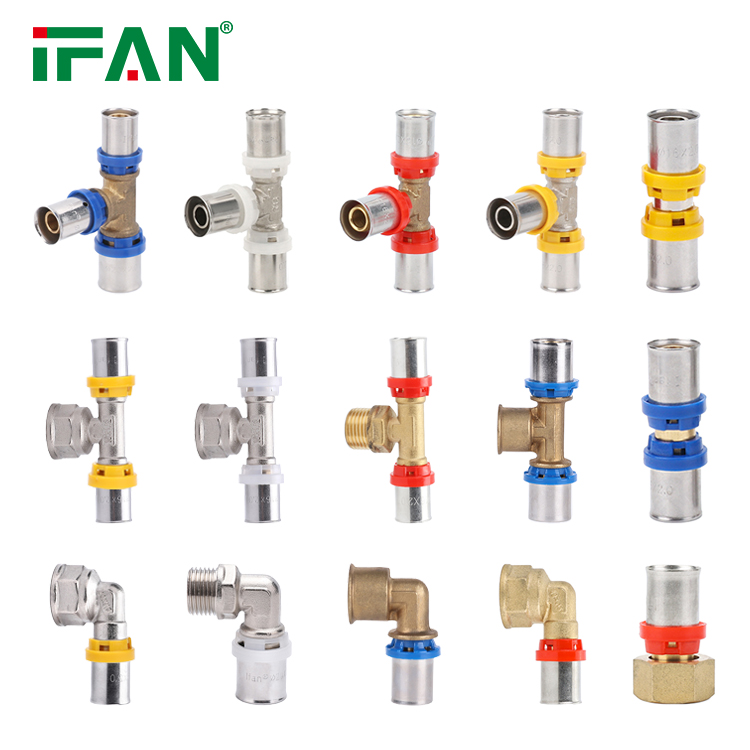
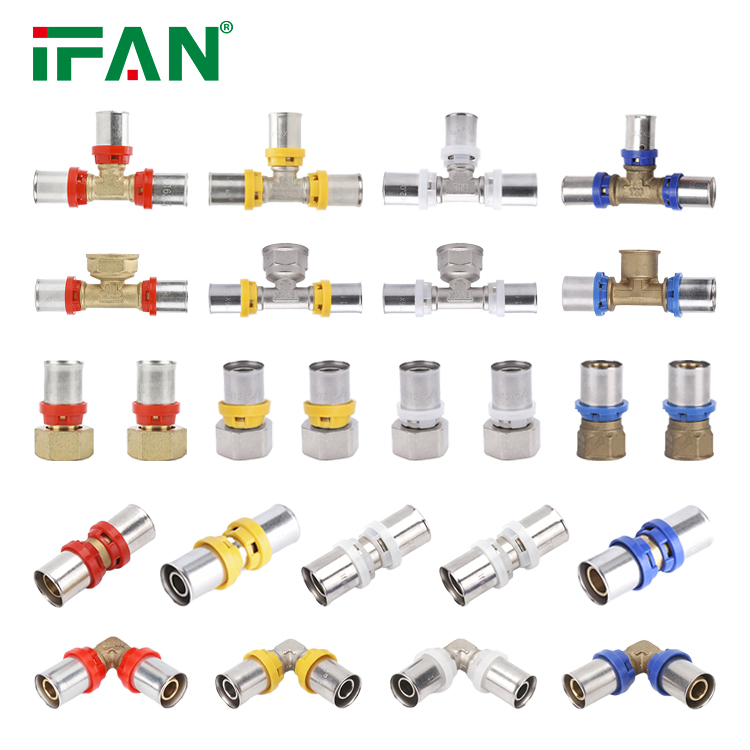
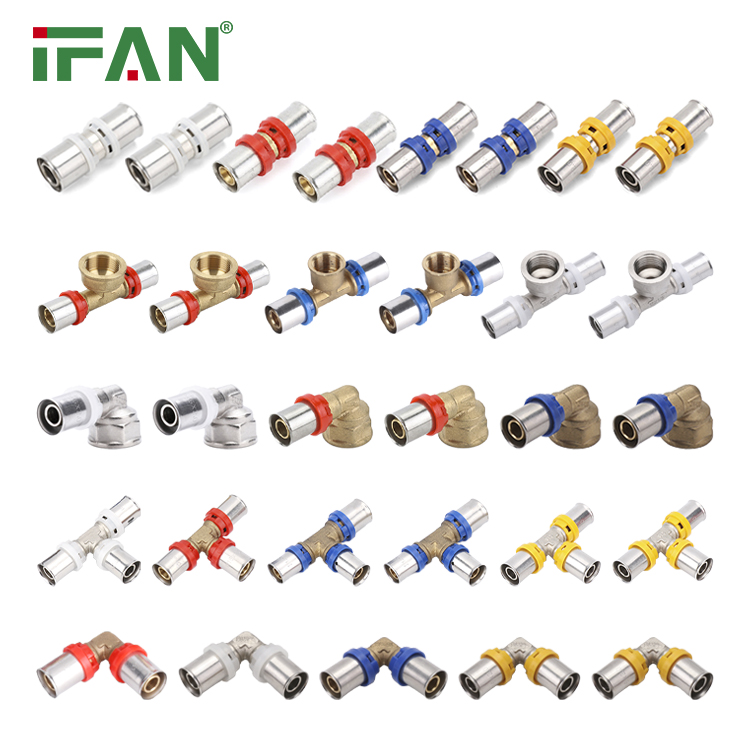
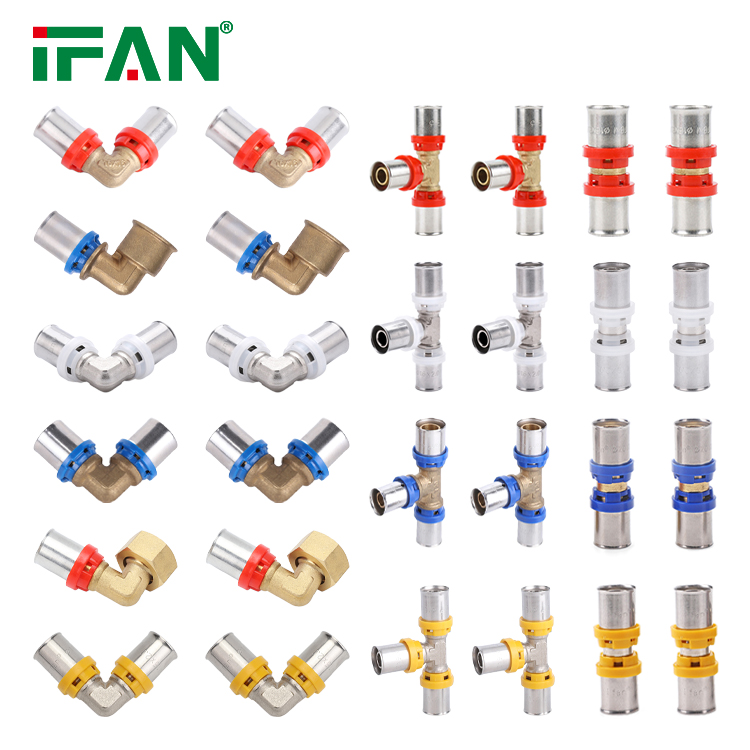
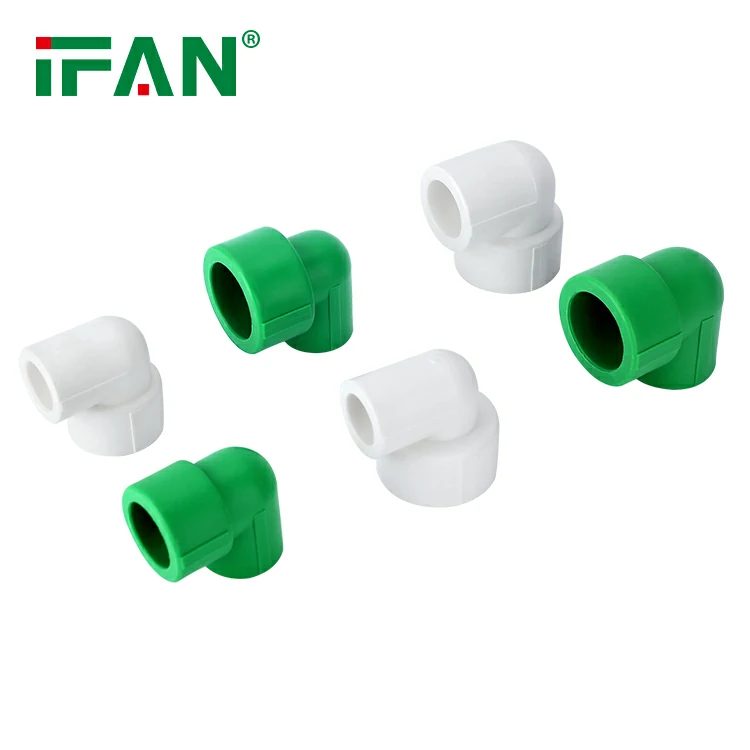
PPR fittings are components made from Polypropylene Random Copolymer (PPR), a thermoplastic polymer known for its high strength and resistance to high temperatures and pressures. These fittings are commonly used in piping systems for cold and hot water distribution in residential, commercial, and industrial applications. PPR fittings include a variety of components such as elbows, tees, couplings, and valves that are designed to connect and control the flow of water through pipes.
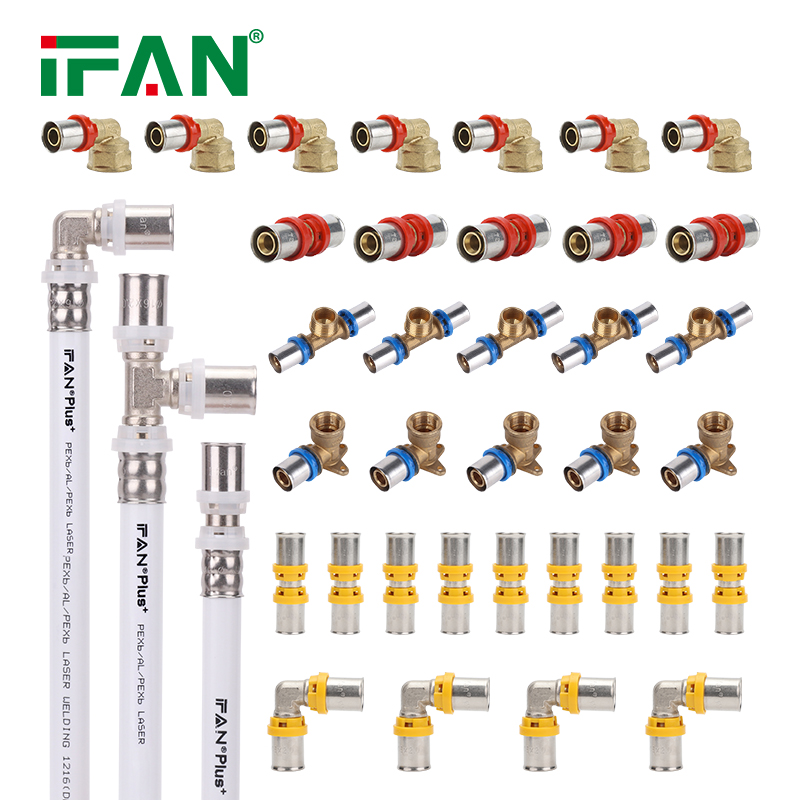
One of the standout features of PPR fittings is their compatibility with pipe press fittings. Unlike traditional methods like welding or threading, pipe press fittings use a specialized tool to create a strong, leak-proof connection. This method not only makes installation faster and more efficient but also significantly reduces the chances of leakage, which is a critical factor in preventing water loss.
Water Loss: A Global Challenge
Water loss in plumbing systems has become a significant issue for municipalities and industries worldwide. It’s estimated that up to 30% of water in municipal systems is lost due to leaks, inefficiencies, and aging infrastructure. This loss not only wastes valuable water resources but also increases operational costs for water utilities and leads to higher carbon footprints.
Traditional piping materials like galvanized steel and PVC are often prone to wear and corrosion over time, which leads to leaks and ruptures. Furthermore, improper installation or inadequate maintenance can exacerbate these problems, further contributing to water wastage.
How PPR Fittings Help Reduce Water Loss
PPR fittings are increasingly seen as a solution to these water loss challenges. Here’s how they contribute to reducing water wastage:
1. Leak-Proof Connections
One of the main causes of water loss in plumbing systems is leaking connections. PPR pipe press fittings are designed to create tight, secure, and leak-proof seals that minimize the chances of water escaping from the system. This is achieved through the use of high-quality materials and precision manufacturing. When installed correctly, these fittings provide a long-lasting, durable solution that reduces maintenance needs and prevents water wastage.
2. Resistance to Corrosion and Chemical Degradation
PPR fittings are highly resistant to corrosion and chemical degradation, unlike traditional metal fittings that can rust over time and develop leaks. In regions with aggressive water chemistry or harsh environmental conditions, PPR fittings offer superior protection, ensuring that the integrity of the piping system is maintained for years. This resistance to corrosion and wear helps to prevent water loss caused by damaged or compromised fittings.
3. Durability and Longevity
PPR fittings have a long service life, with many systems lasting up to 50 years or more without significant degradation. This durability reduces the need for frequent repairs or replacements, lowering the likelihood of water loss due to system failures. Additionally, PPR systems are less likely to experience cracks or breakages, which are common issues with older, more brittle materials like PVC or cast iron.
4. High Pressure and Temperature Resistance
PPR fittings are designed to handle high pressures and temperatures, making them suitable for both cold and hot water distribution. This high tolerance reduces the risk of leaks caused by thermal expansion or pressure fluctuations, which are common in traditional plumbing systems. By providing stable performance under varying conditions, PPR fittings help maintain the efficiency of the plumbing system and prevent water loss.
5. Low Maintenance Requirements
PPR fittings require minimal maintenance, which reduces the need for frequent inspections and repairs. Traditional plumbing systems often suffer from issues like rust, scaling, or joint failures that require regular maintenance to prevent water loss. With PPR fittings, the need for ongoing maintenance is significantly reduced, which not only lowers costs but also ensures that the plumbing system remains leak-free for a more extended period.
Government Support for PPR Fittings in Water Conservation
The Ministry of Water Resources and various local government bodies have recognized the potential of PPR fittings in combating water loss and are actively promoting their adoption in new construction projects and infrastructure upgrades. The government’s endorsement is part of a broader initiative to modernize water distribution systems and reduce inefficiencies in water management.
In many regions, government programs are encouraging the use of more sustainable materials in plumbing systems, with a particular emphasis on reducing leakage and improving the longevity of water infrastructure. PPR fittings are seen as a key component in these efforts due to their proven reliability and performance.
Moreover, governments are offering incentives for water utilities to replace aging infrastructure with more efficient, leak-proof systems. As part of these initiatives, PPR pipe press fittings are being integrated into both public and private sector projects, leading to significant reductions in water wastage and improvements in overall water conservation.
Environmental and Economic Benefits
The environmental and economic benefits of adopting PPR fittings extend beyond reducing water loss. By preventing leaks and improving the efficiency of water distribution systems, PPR fittings contribute to:
- Water Conservation: By minimizing water wastage, PPR fittings help conserve this precious resource, especially in regions that face water scarcity issues.
- Lower Energy Consumption: Reducing water loss also means that less energy is required to pump water through the system, lowering energy costs and reducing the carbon footprint of water utilities.
- Cost Savings for Utilities and Consumers: The durability and low-maintenance nature of PPR fittings translate to lower repair and replacement costs for water utilities. Additionally, consumers benefit from reduced water bills due to more efficient plumbing systems.
- Long-Term Sustainability: The long lifespan of PPR fittings ensures that plumbing systems remain efficient and effective for decades, contributing to the long-term sustainability of water management efforts.
Conclusion
The adoption of PPR fittings is a critical step toward reducing water loss in plumbing systems. Their leak-proof connections, resistance to corrosion, and long-lasting durability make them an ideal solution for water distribution systems aiming to conserve resources and reduce inefficiencies. With the support of the Ministry of Water Resources and ongoing efforts to modernize infrastructure, PPR fittings are set to play a crucial role in addressing global water conservation challenges. As governments and businesses prioritize sustainable solutions, the widespread adoption of PPR fittings will help ensure a more efficient and responsible approach to water management.
FAQs
- What are PPR fittings used for?
PPR fittings are used in plumbing systems to connect and control the flow of cold and hot water. They are widely used in residential, commercial, and industrial applications due to their durability and resistance to corrosion. - How do PPR pipe press fittings prevent water loss?
PPR pipe press fittings create a leak-proof connection using a specialized pressing tool, reducing the chances of water escaping from the system. This ensures the plumbing system is more efficient and reduces water wastage. - Why are PPR fittings preferred over traditional materials like PVC?
PPR fittings are preferred because they are more durable, resistant to corrosion, and require less maintenance compared to traditional materials like PVC or metal. This makes them a more sustainable and long-lasting option for plumbing systems. - How do PPR fittings contribute to water conservation?
By reducing leaks and maintaining the integrity of plumbing systems, PPR fittings help conserve water and reduce wastage. This is especially important in regions facing water scarcity and high water demand. - What are the economic benefits of using PPR fittings?
PPR fittings reduce maintenance costs, lower water loss, and extend the lifespan of plumbing systems, leading to long-term savings for both consumers and utilities. Additionally, the efficient use of water reduces energy consumption in pumping and treatment processes.