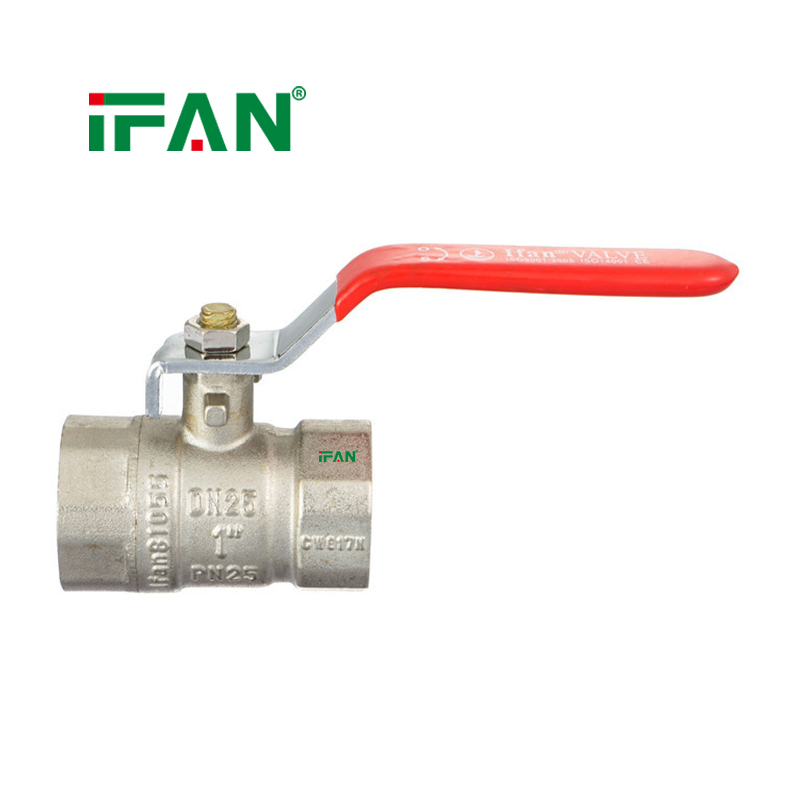
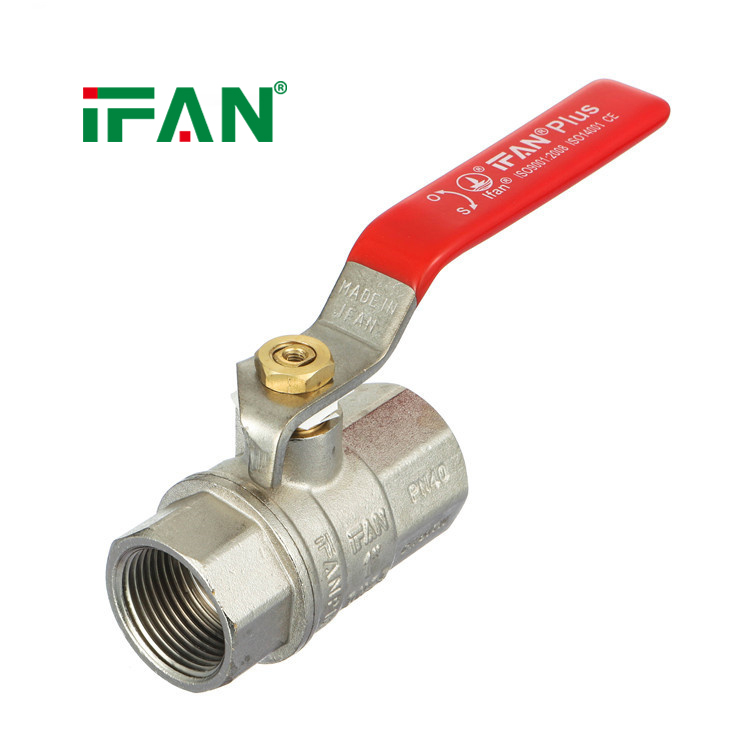
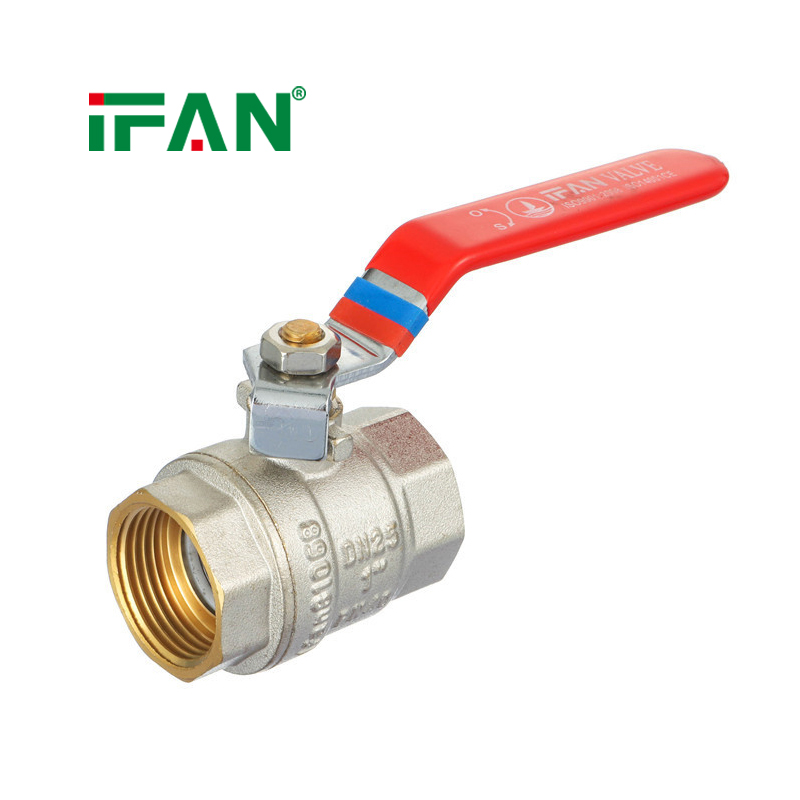
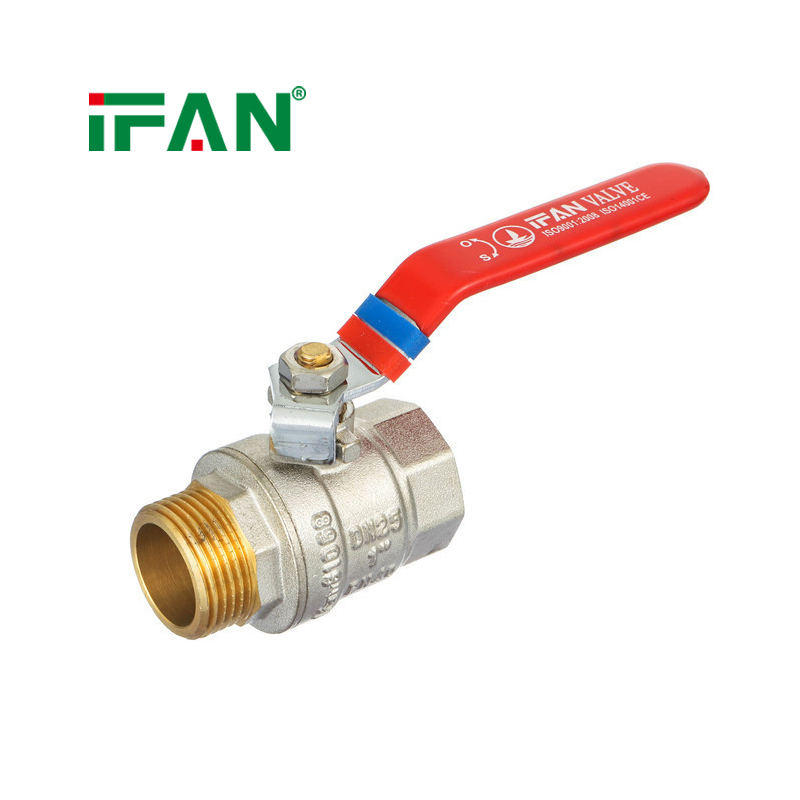
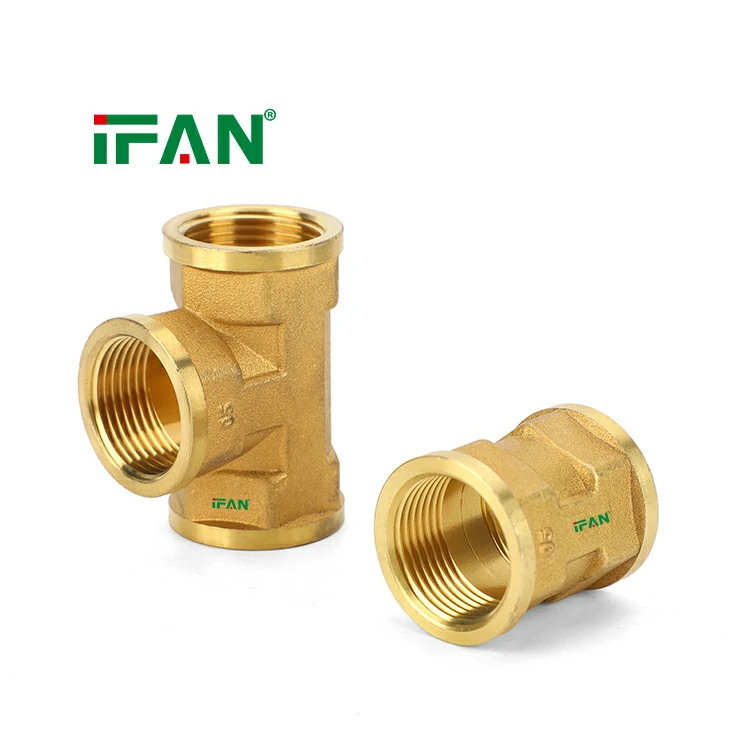
IFAN factory 30+ years manufacture experience support color /size customization support free sample.Welcome to consult for catalog and free samples.This is our Facebook Website:www.facebook.com,Click to watch IFAN’s product video.Compared with Tomex products, our IFAN products from quality to price are your best choice, welcome to buy!
Introduction
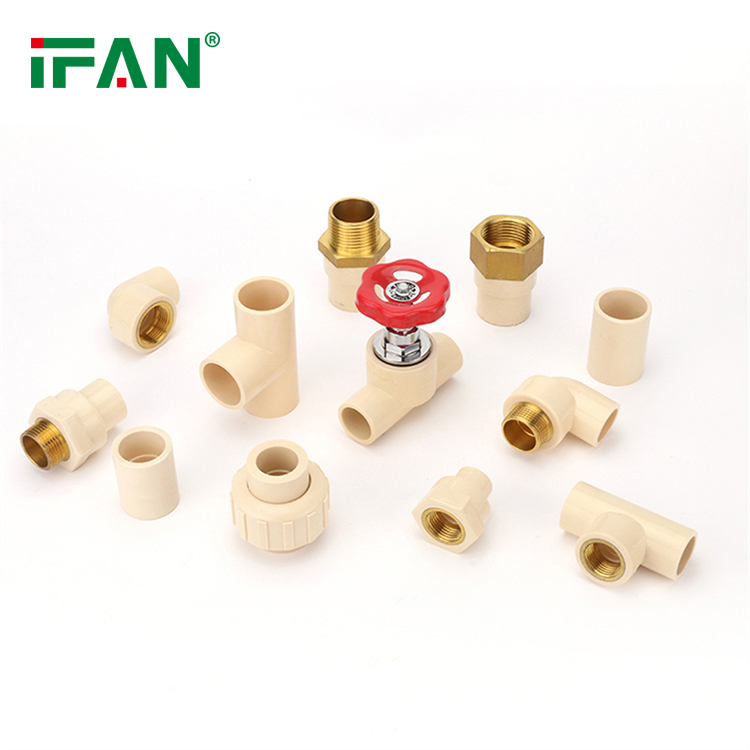
CPVC (Chlorinated Polyvinyl Chloride) fittings are integral components in plumbing systems known for their durability, chemical resistance, and ease of installation. When considering the economic implications of CPVC fittings, various factors come into play, including initial costs, long-term savings, maintenance expenses, and overall lifecycle economics. This article explores key economic considerations associated with CPVC fittings, providing insights into their cost-effectiveness and financial impact across different applications.
Initial Cost vs. Long-term Savings
The initial cost of CPVC fittings includes expenses related to purchasing fittings, solvent cement, and installation labor. CPVC fittings are generally affordable compared to alternatives like copper or stainless steel, making them a cost-effective choice for plumbing installations. However, it’s crucial to consider long-term savings potential. CPVC’s resistance to corrosion and scale buildup reduces maintenance requirements and extends service life, minimizing replacement and repair costs over time. This initial investment in CPVC fittings can yield substantial savings in maintenance and operational expenses throughout their lifecycle.
Installation Costs and Efficiency
CPVC fittings are lightweight and easy to install, requiring fewer specialized tools and less labor compared to metal alternatives. The solvent cement bonding method used for CPVC joints ensures quick assembly and curing times, accelerating installation schedules and reducing labor costs. The ease of handling and flexibility of CPVC pipes and fittings simplify complex installations, further enhancing cost efficiency in both new construction and retrofit projects. Contractors and plumbing professionals can optimize project timelines and labor expenditures while maintaining high installation standards and system reliability.
Maintenance and Lifecycle Economics
The durability of CPVC fittings contributes significantly to their lifecycle economics. Unlike metal fittings susceptible to corrosion, CPVC remains unaffected by aggressive water conditions, chemical exposure, and microbiologically influenced corrosion (MIC). This resilience minimizes maintenance interventions, downtime, and associated costs over the operational lifespan of plumbing systems. Routine inspections and preventive maintenance practices further enhance CPVC fitting longevity, ensuring continuous performance and mitigating potential repair expenditures. The predictable maintenance requirements of CPVC fittings translate into stable operational budgets and reduced lifecycle costs for building owners and facility managers.
Energy Efficiency and Operational Benefits
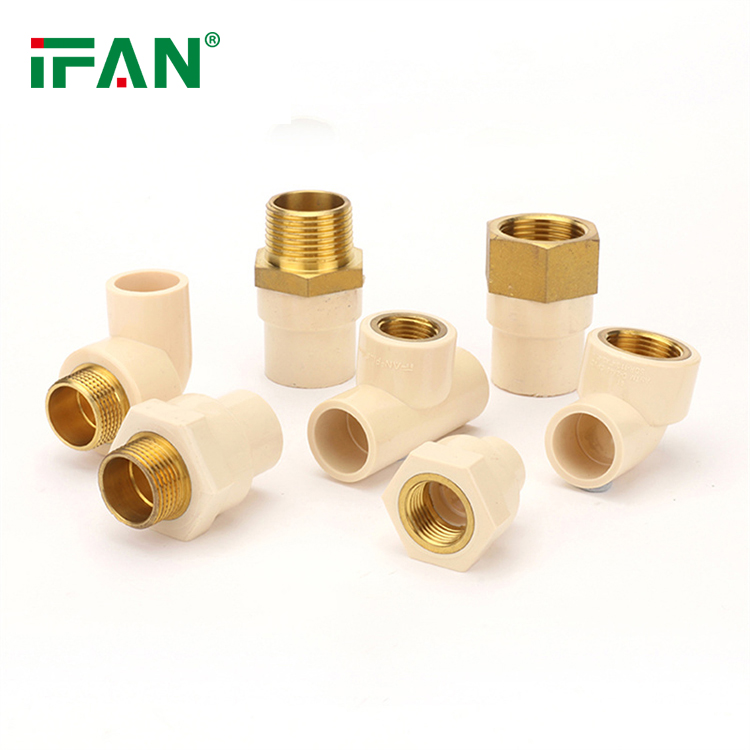
CPVC fittings contribute to energy efficiency in plumbing systems by maintaining consistent water flow rates and minimizing heat loss compared to metal counterparts. The smooth interior surface of CPVC pipes reduces frictional losses and optimizes hydraulic performance, supporting efficient water distribution and energy conservation. Enhanced insulation properties of CPVC further contribute to thermal efficiency, reducing energy consumption associated with hot water delivery systems. These operational benefits not only lower utility expenses but also align with sustainability goals by reducing carbon footprint and resource utilization throughout the lifecycle of plumbing installations.
Market Trends and Cost Competitiveness
Market trends in CPVC fittings reflect ongoing advancements in material technology and manufacturing processes, driving affordability and cost competitiveness. The availability of a wide range of CPVC fittings, sizes, and configurations enables tailored solutions for diverse plumbing applications, accommodating project-specific budget constraints and performance requirements. Competitive pricing structures and supplier incentives further enhance cost-effectiveness, facilitating cost-efficient procurement and project execution. Industry standards and regulatory compliance ensure product reliability and performance consistency, supporting informed investment decisions based on long-term economic viability and operational benefits.
Conclusion
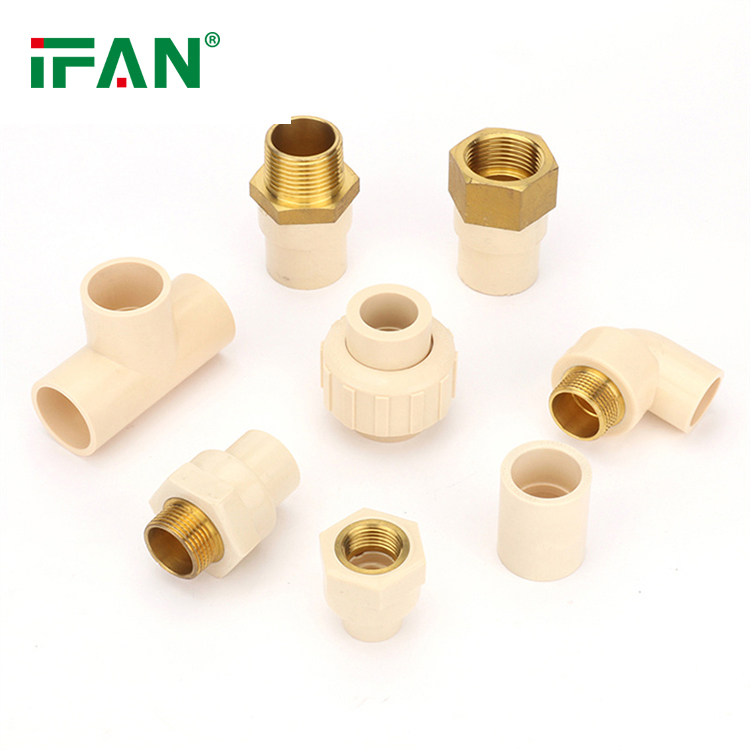
In conclusion, CPVC fittings offer compelling economic advantages characterized by initial affordability, long-term savings potential, and operational efficiency across various plumbing applications. The favorable cost-effectiveness of CPVC stems from reduced installation, maintenance, and lifecycle costs compared to traditional metal fittings. By integrating CPVC fittings into plumbing systems, stakeholders can optimize financial performance, enhance operational reliability, and achieve sustainable building outcomes. As market dynamics and technological innovations continue to shape the plumbing industry, informed decision-making based on comprehensive cost analysis remains essential for maximizing economic value and achieving enduring infrastructure solutions.