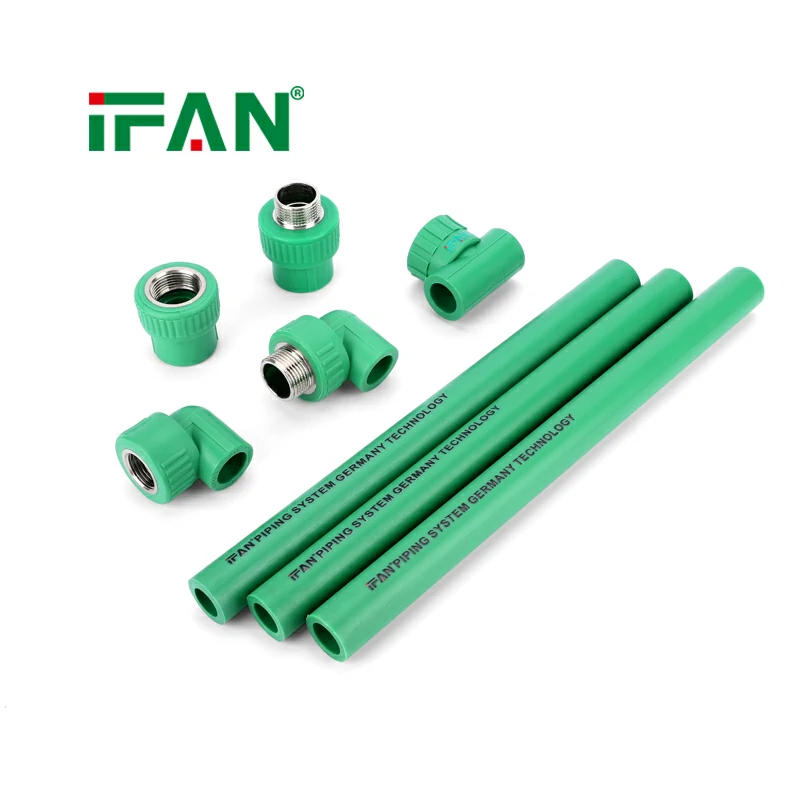
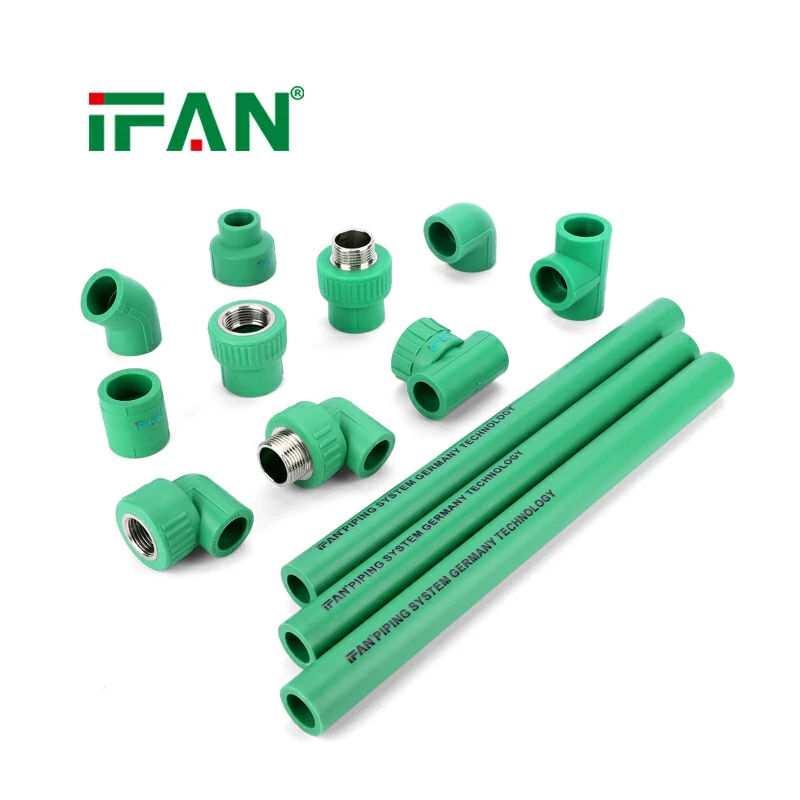
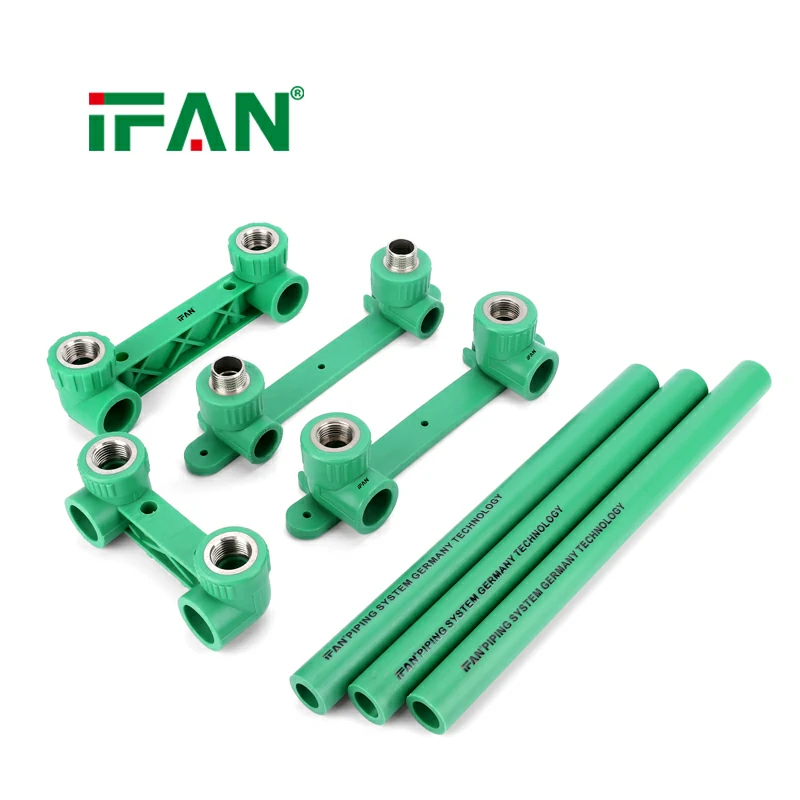
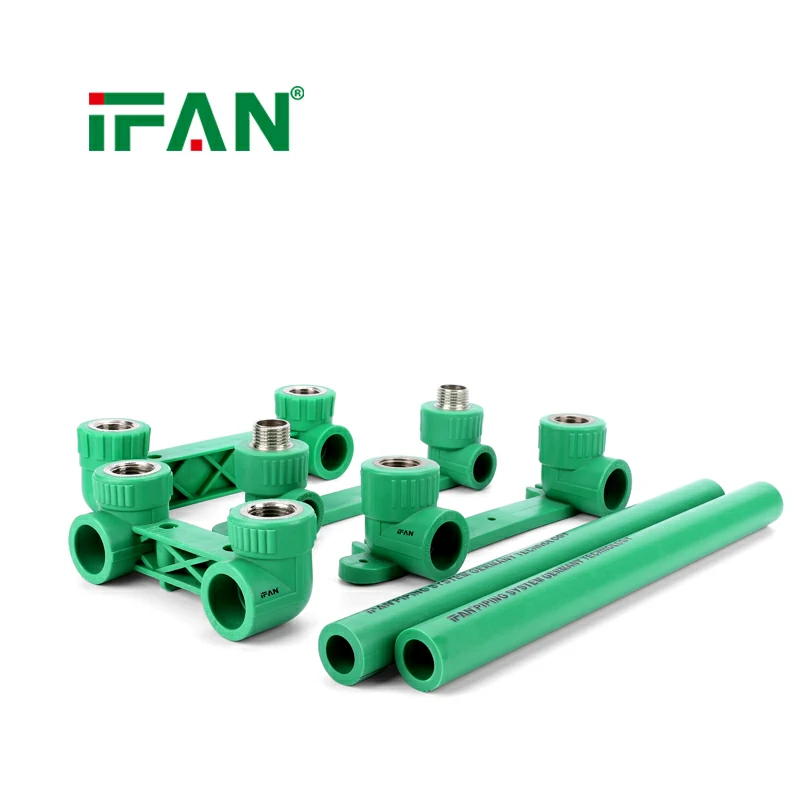
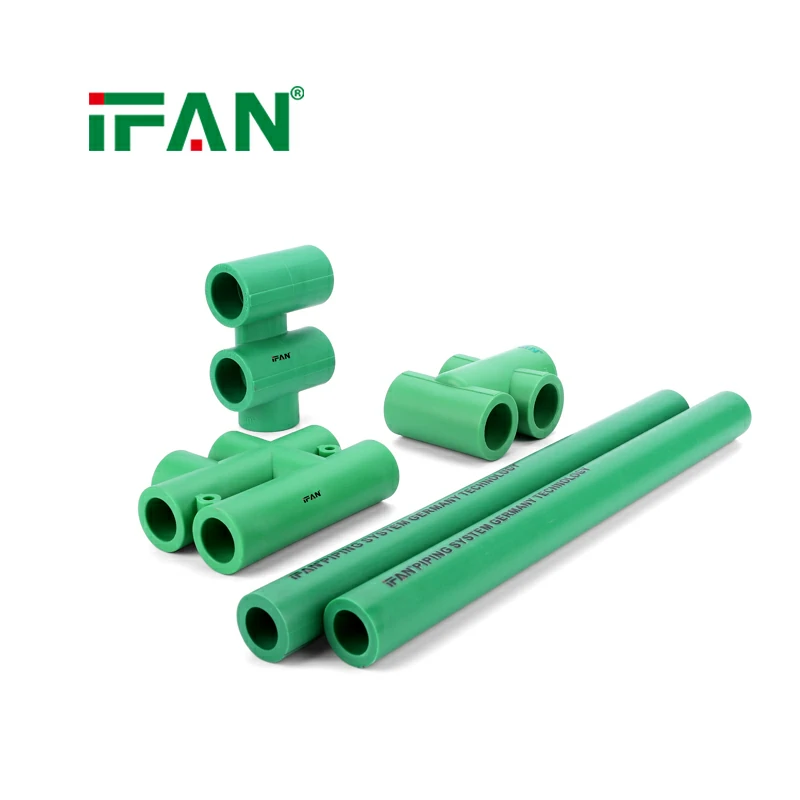
IFAN PPR Fittings – The Backbone of Safe Drinking Water Infrastructure
Introduction to IFAN PPR Fittings
Ensuring safe and pure drinking water is a global priority, and the infrastructure that supports water distribution plays a crucial role. IFAN PPR fittings have become a trusted solution in delivering clean drinking water. Designed for durability and safety, these fittings form the backbone of reliable water systems worldwide.
Superior Material for Health and Safety
IFAN PPR fittings are manufactured using high-quality polypropylene random copolymer (PPR), a material known for its excellent resistance to heat, pressure, and corrosion. This ensures that the fittings do not contaminate the water during transportation. The use of PPR guarantees that the water remains pure, free from harmful chemicals, and safe for consumption.
Innovative Design for Long-Lasting Performance
The design of IFAN PPR fittings focuses on durability and ease of installation. Their precision-engineered joints provide secure, leak-proof connections that withstand the test of time. This reduces maintenance needs and ensures a continuous supply of clean water, which is essential for both residential and commercial water systems.
Environmental Benefits of IFAN PPR Fittings
PPR material is environmentally friendly and fully recyclable, supporting sustainable construction practices. Utilizing IFAN PPR fittings helps reduce plastic waste and carbon footprints, aligning with global goals for greener infrastructure. This commitment to sustainability complements the goal of providing pure drinking water for generations to come.
Versatility Across Applications
From urban water networks to residential plumbing, IFAN PPR fittings serve diverse applications with consistent reliability. Their resistance to chemicals and temperature changes makes them ideal for both cold and hot water supply lines. This versatility ensures that every drinking water system, regardless of scale, benefits from IFAN’s superior quality.
Ensuring Compliance and Confidence
IFAN PPR fittings comply with international quality and safety standards, instilling confidence in engineers, contractors, and consumers alike. Rigorous testing and certification processes guarantee that each fitting meets strict criteria, reinforcing its role in safeguarding drinking water purity.
Conclusion: Building a Safer Future with IFAN PPR Fittings
The purity of drinking water depends heavily on the quality of the infrastructure that delivers it. IFAN PPR fittings represent a reliable, safe, and sustainable choice that supports clean water initiatives worldwide. By choosing IFAN, communities invest in a healthier future, where safe drinking water is accessible and assured for all.