Introduction
The 2023 Fantasy Football season brought a rich rookie class with explosive talent across all positions. But for savvy Dynasty players, the real gold often lies in the later rounds of the draft. Just like a well-constructed pipeline, every fantasy roster requires strategic “ppr fittings” — small but essential pieces that connect the big parts and ensure flow, stability, and future growth.
In this article, we’ll use ppr fittings both literally and metaphorically, comparing them to smart, undervalued rookie selections in the Dynasty PPR (Points Per Reception) format. These “fittings” are your connectors—late-round players who bring roster cohesion, flexibility, and upside.
Whether you’re a fantasy football veteran or just starting in Dynasty leagues, this strategic breakdown will help you make the right choices when it matters most: at the end of your draft.

What Are PPR Fittings in Fantasy Football?
In fantasy football, especially in PPR leagues, each reception earns a player additional points, making pass-catching running backs, slot receivers, and athletic tight ends more valuable. Late-round picks in Dynasty drafts are like ppr fittings in a piping system—modest in name but critical to function.
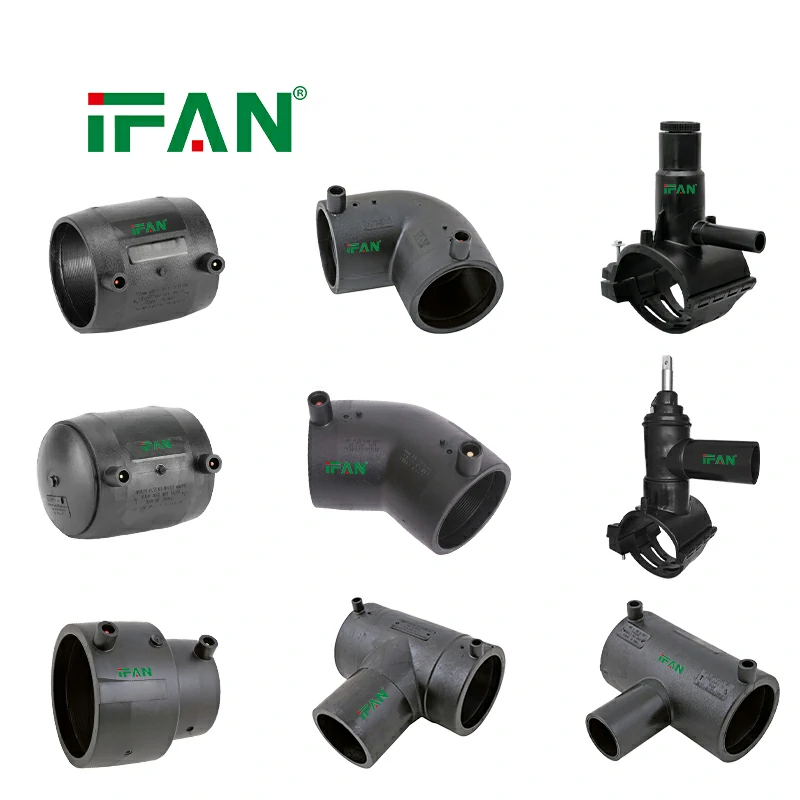
Like Polypropylene Random Copolymer (PPR) fittings in plumbing, which connect pipes and ensure smooth flow without leaks, these late picks quietly support your roster’s structure. They don’t always shine on draft day but often prove invaluable during bye weeks, injuries, or as breakout candidates.
2023 Rookie Class: Late-Round Dynasty Gems (PPR Fitting Picks)
1. Tucker Kraft (TE – Green Bay Packers)
Kraft isn’t just a backup to Luke Musgrave; he’s a versatile TE who can block and catch. In PPR formats, his role in short-yardage passing and red-zone sets makes him a high-upside stash.
PPR fitting analogy: Like a coupling fitting, he’s the player who connects plays together and fills in gaps when things don’t go as planned.
2. Deuce Vaughn (RB – Dallas Cowboys)
Undersized but electric, Vaughn excels in passing downs and can become a PPR gem if Pollard is overworked or injured.
PPR fitting analogy: Think of a reducer fitting—small but vital. He adjusts the pace and spacing, offering bursts when the main flow slows down.
3. Puka Nacua (WR – Los Angeles Rams)
With Cooper Kupp struggling with injuries, Nacua has already shown chemistry with Stafford. He runs crisp routes and gets open quickly—a necessity for PPR value.
PPR fitting analogy: Like a tee fitting, he offers multiple connection points, giving your lineup options and flexibility.
4. Sean Tucker (RB – Tampa Bay Buccaneers)
Undrafted due to medical concerns, Tucker is explosive and involved in the passing game when healthy. A perfect late stash in deeper Dynasty leagues.
PPR fitting analogy: An elbow fitting—under the radar, bends expectations, and redirects flow when needed.
5. Xavier Hutchinson (WR – Houston Texans)
Tall, strong, and capable of racking up short-yardage receptions. Hutchinson fits the mold of a reliable bench WR who can evolve into a PPR flex option.
PPR fitting analogy: An end cap fitting—covers weak spots and steps in when pressure builds due to injuries or bye weeks.
Strategy Tips for Late-Round PPR Picks
1. Target Opportunity Over Talent
Rookies buried behind depth charts may take years to break out. Instead, target players who can immediately slide into third-down or slot roles.
2. Don’t Overvalue Draft Capital
Remember, PPR value comes from volume and receptions, not just pedigree. Look for players in pass-heavy systems, especially those favored by checkdown-prone QBs.
3. Prioritize RBs and TEs with Receiving Roles
A backup RB with a third-down role can outperform a 2nd-string WR in many PPR formats.
4. Watch for Camp Reports and Early Season Usage
Preseason and early regular-season snaps tell a lot. Many late-round rookies gain traction due to injuries or unexpected roster changes.
Building a Dynasty Team Like a Plumbing System
Successful Dynasty rosters are like complex piping networks: strong, flexible, and built for the long haul. Your top players are the pipes, but your ppr fittings—those low-key, late-round rookies—keep everything connected and prevent leaks in your team’s performance.
By drafting smart and strategically adding rookies with reception upside, you’re future-proofing your roster. It’s not just about having stars—it’s about having reliable connectors that sustain your weekly output.
Final Thoughts
The 2023 Dynasty Rookie Mock Draft has plenty of exciting talent, but championships are often won with the right PPR fitting late picks. Whether it’s a backup running back with receiving chops or a tight end in a pass-first offense, these players offer far more value than their draft spot suggests.
Approach your draft with a strategic lens. Think like an engineer: build a fantasy roster where everything flows smoothly, with no weak points. And just like in high-performance plumbing systems, never underestimate the power of ppr fittings—on or off the football field.
Frequently Asked Questions (FAQs)
1. What does “PPR” mean in fantasy football?
PPR stands for Points Per Reception. In this format, players earn extra points for each catch they make, making pass-catching RBs and WRs more valuable.
2. How do “ppr fittings” relate to fantasy football?
In this article, “ppr fittings” are used as a metaphor for low-profile but crucial players who connect your fantasy roster—like reliable rookies taken in late rounds.
3. Who is a good late-round PPR rookie pick for 2023?
Players like Deuce Vaughn, Tucker Kraft, and Puka Nacua are excellent late-round picks with high PPR upside in the right situations.
4. Should I prioritize running backs or wide receivers late in a PPR draft?
Focus on pass-catching RBs or slot WRs who can earn 4–6 receptions per game. They often outperform their ADP in PPR formats.
5. Is it okay to draft injured rookies in the late rounds?
Yes, if they show long-term potential and have a path to targets or touches. Dynasty formats reward patience and forward-thinking strategies.