
IFAN factory 30+ years manufacture experience support color /size customization support free sample.Welcome to consult for catalog and free samples.This is our Facebook Website:www.facebook.com,Click to watch IFAN’s product video.Compared with Tomex products, our IFAN products from quality to price are your best choice, welcome to buy!
Polypropylene Random Copolymer (PPR) fittings are becoming a popular choice for modern plumbing systems due to their exceptional durability and longevity. With numerous advantages over traditional materials like metal or PVC, PPR fittings offer long-term reliability in both residential and commercial plumbing applications. In this article, we will delve into the key factors that contribute to the durability and lifespan of PPR fittings, how they outperform other plumbing materials, and why they are a trusted choice in the industry.
What Are PPR Fittings?
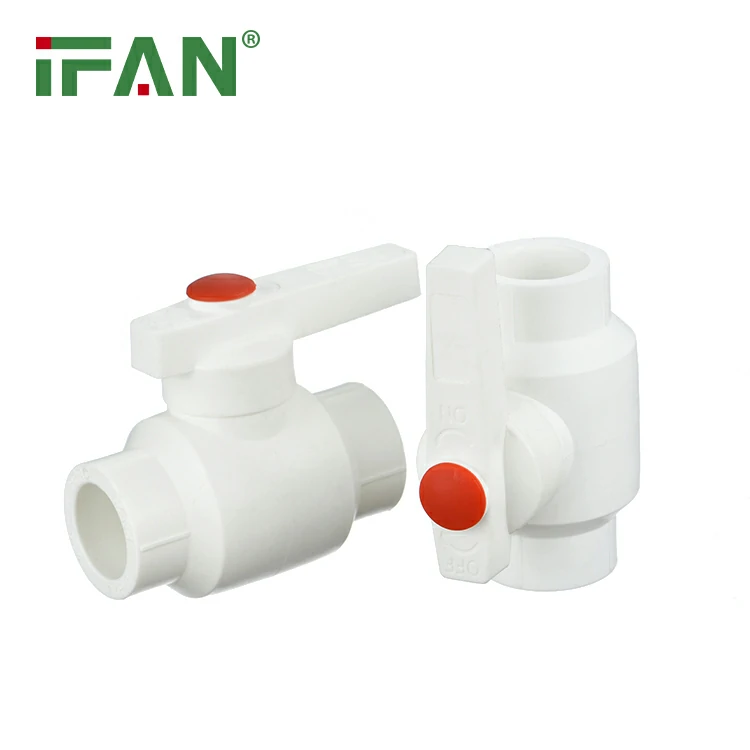
PPR fittings are components made from polypropylene random copolymer, a thermoplastic material known for its resistance to high temperatures, pressure, and chemicals. These fittings are used to connect PPR pipes in various plumbing systems, ranging from hot and cold water supply systems to industrial piping solutions.
The popularity of PPR fittings has risen sharply due to their resistance to corrosion, high performance under pressure, and ease of installation. These properties, combined with their cost-effectiveness, make them ideal for both domestic and commercial use.
Key Factors Contributing to the Durability of PPR Fittings
PPR fittings stand out in terms of durability for several key reasons. These factors contribute to their longevity and make them a reliable choice for plumbing systems.
1. Corrosion Resistance
One of the most significant advantages of PPR fittings is their excellent resistance to corrosion. Unlike metal pipes that can rust over time, PPR fittings do not degrade or lose their structural integrity when exposed to moisture or water. This makes them a long-lasting option, especially in environments where water quality may vary.
PPR fittings are particularly resistant to the chemical elements found in water, ensuring they do not corrode or break down over time. This property makes them suitable for a wide range of applications, including potable water systems, industrial plumbing, and even chemical transport.
2. High Temperature Resistance
PPR fittings are designed to withstand high temperatures without compromising their strength. They can handle water temperatures up to 95°C (203°F), which makes them an ideal choice for hot water systems. Traditional metal pipes or PVC fittings often suffer from degradation or failure at high temperatures, but PPR fittings remain stable and durable under similar conditions.
This high-temperature resistance allows PPR fittings to maintain their integrity and performance for years, even in demanding environments where hot water is in constant use.
3. Pressure Resistance
PPR fittings are also designed to endure high pressure, ensuring they remain intact even under heavy stress. They can withstand pressure up to 20 bar (290 psi) depending on the pipe diameter and installation conditions. This pressure resistance is crucial in plumbing systems, where water or gas pressure can fluctuate, potentially leading to leaks or pipe bursts in less durable materials.
The strength of PPR fittings under pressure ensures that your plumbing system operates efficiently without the risk of leaks, making them a safe and reliable choice for both domestic and commercial applications.
4. Chemical Resistance
PPR fittings are resistant to a wide range of chemicals and other substances. This makes them ideal for use in industrial plumbing systems where harsh chemicals or solvents may be present. They do not degrade when exposed to most acids, alkalis, and salts, unlike metal fittings that can corrode over time when in contact with chemicals.
This chemical resistance further contributes to the longevity of PPR fittings, ensuring they maintain their functionality even in aggressive environments.
5. Low Maintenance Requirements
Another reason for the longevity of PPR fittings is their low maintenance needs. Once installed, PPR fittings do not require regular servicing or inspection to maintain their performance. Unlike metal pipes that may require anti-corrosion treatments or PVC systems that can crack under stress, PPR fittings maintain their strength and integrity with minimal attention.
This low maintenance requirement reduces the overall cost of ownership, as you won’t have to worry about frequent repairs or replacements.
6. Smooth Internal Surface
The internal surface of PPR fittings is smooth, which reduces the buildup of minerals, sediments, and other materials that could cause blockages or clogging. This smooth surface prevents corrosion and ensures optimal water flow, reducing the chances of pipe damage due to internal pressure build-up.
Over time, the smooth internal surface of PPR fittings contributes to their long lifespan by preventing issues like scaling, which is common in metal pipes subjected to hard water.
How Long Do PPR Fittings Last?
The expected lifespan of PPR fittings depends on the conditions under which they are installed and used. However, under typical conditions, PPR fittings can last between 50 and 100 years. This makes them one of the most durable plumbing materials available.
Factors such as temperature, pressure, water quality, and installation method can affect the longevity of PPR fittings. Proper installation and regular inspections can help maximize their lifespan and ensure they perform efficiently for decades.
Benefits of Choosing PPR Fittings for Your Plumbing System
- Cost-Effective: PPR fittings are typically less expensive than metal pipes, offering excellent performance at a lower cost.
- Durable: As we’ve highlighted, PPR fittings are highly resistant to corrosion, chemicals, and high temperatures, contributing to their long lifespan.
- Easy Installation: PPR fittings are easy to install with fusion welding, which creates a strong, leak-proof joint without the need for additional sealing materials.
- Energy-Efficient: PPR pipes and fittings offer excellent thermal insulation properties, helping to maintain the temperature of the water inside the pipes and reducing energy consumption.
Why PPR Fittings Are Better Than Other Plumbing Materials
When compared to traditional materials such as copper, steel, and PVC, PPR fittings offer several advantages:
- Copper Pipes: While copper is durable, it is expensive, susceptible to corrosion over time, and can be affected by certain chemicals. PPR fittings, on the other hand, are cheaper and more resistant to corrosion.
- Steel Pipes: Steel pipes can rust and corrode, leading to leaks and reduced lifespan. PPR fittings, in contrast, are highly resistant to corrosion, offering a longer lifespan without the need for regular maintenance.
- PVC Pipes: PVC is cheaper than PPR but is not as durable. It can become brittle over time, especially when exposed to high temperatures. PPR fittings offer better performance under high-temperature conditions, ensuring longevity.
Frequently Asked Questions (FAQs)
1. How long do PPR fittings last?
PPR fittings typically last between 50 and 100 years, depending on the installation conditions and the environment in which they are used.
2. Are PPR fittings resistant to high temperatures?
Yes, PPR fittings are designed to withstand temperatures up to 95°C (203°F), making them ideal for hot water systems.
3. Do PPR fittings require maintenance?
PPR fittings have minimal maintenance needs. Once installed, they require little attention and are not prone to issues such as corrosion or scaling.
4. Can PPR fittings be used for industrial applications?
Yes, PPR fittings are highly resistant to chemicals and pressure, making them suitable for both domestic and industrial plumbing systems.
5. Are PPR fittings easy to install?
Yes, PPR fittings are easy to install using fusion welding, which creates strong, leak-proof connections without the need for sealing materials or additional tools.
In conclusion, the durability and longevity of PPR fittings make them an excellent choice for modern plumbing systems. Their corrosion resistance, high-temperature endurance, chemical resistance, and low maintenance needs ensure that they continue to perform effectively for many years. By choosing PPR fittings, you can invest in a reliable, cost-effective, and long-lasting plumbing solution.


