Explore the Advantages of Brass Fittings for High-Temperature Applications
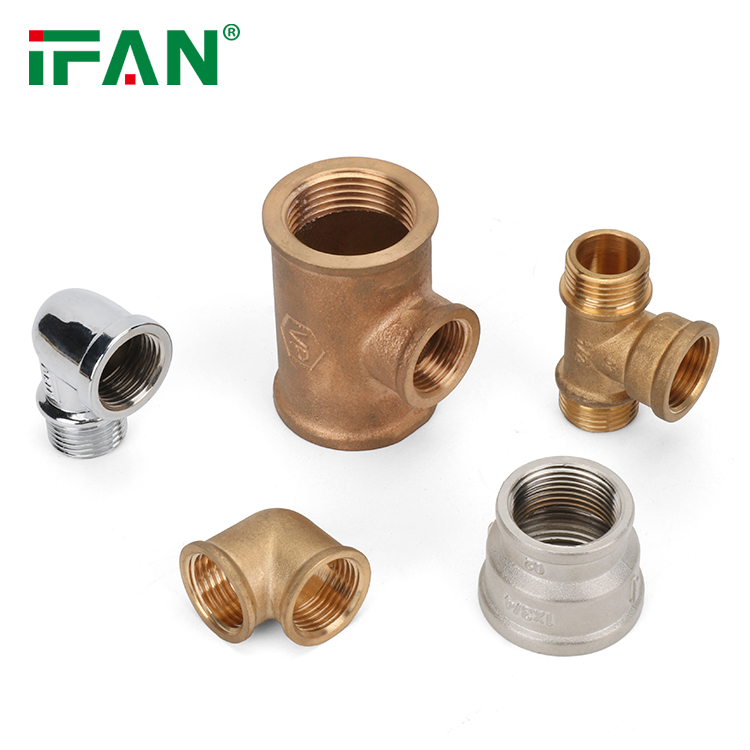
When it comes to high-temperature applications, brass fittings are an excellent choice. Brass fittings are made from an alloy of copper and zinc, making them highly resistant to corrosion and heat. They are durable, long-lasting, and versatile, making them an ideal choice for a wide range of applications.
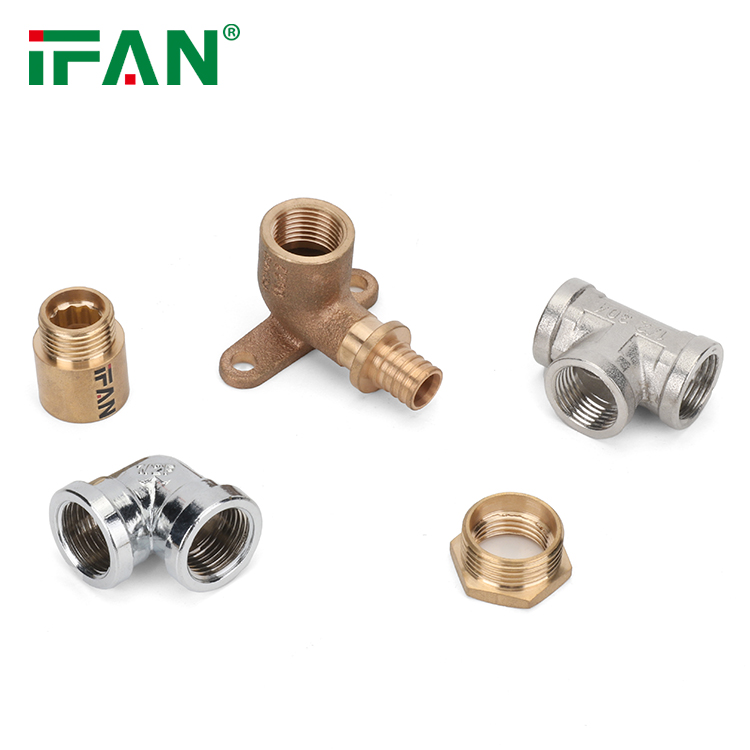
One of the main advantages of brass fittings is their ability to operate in high-temperature environments. Unlike other materials, such as plastic or steel, brass fittings can withstand extreme temperatures without breaking down or degrading. This makes them an ideal choice for applications where temperatures can reach up to 400°F (204°C).
Brass fittings are also highly resistant to corrosion. They are able to withstand exposure to chemicals, water, and other corrosive elements without breaking down or deteriorating. This makes them an excellent choice for applications where corrosion resistance is important, such as in plumbing, HVAC systems, and industrial piping.
In addition to their high-temperature and corrosion-resistant properties, brass fittings are also highly versatile. They come in a variety of shapes and sizes, making them suitable for a wide range of applications. They are also easy to install and maintain, which makes them an excellent choice for both residential and industrial applications.
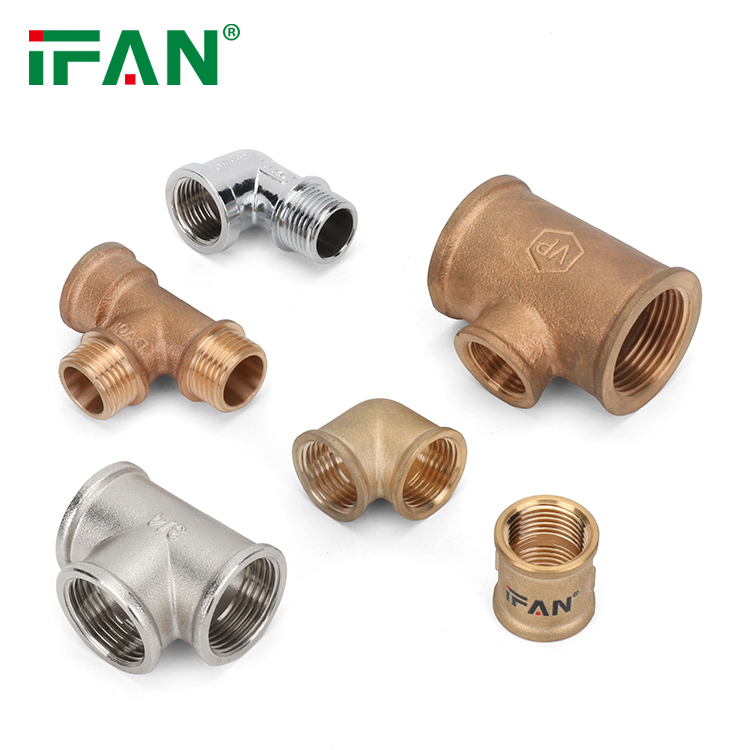
When it comes to the value of brass fittings, their durability and longevity make them an excellent investment. While they may be more expensive than other materials, their ability to withstand high temperatures and corrosive elements means that they will last longer and require less maintenance over time. This can save businesses and homeowners money in the long run.
In conclusion, brass fittings are an excellent choice for high-temperature applications. Their ability to withstand extreme temperatures and corrosive elements makes them an ideal choice for a wide range of applications, from plumbing to industrial piping. While they may be more expensive than other materials, their durability and longevity make them a good long-term investment. If you are in need of fittings for high-temperature applications, brass fittings are highly recommended.