In recent years, the demand for PPR (Polypropylene Random Copolymer) fittings in plumbing has surged due to their excellent durability, resistance to corrosion, and cost-effectiveness. These fittings are widely used in water distribution systems and are renowned for their ability to withstand high temperatures and pressures. However, the increasing demand has led to a rise in counterfeit PPR fittings, which pose significant risks to plumbing systems. The Federal Government (FG) has recently announced plans to sanction the producers of fake PPR fittings in a bid to ensure the safety and reliability of plumbing systems across the country.
What Are PPR Fittings?
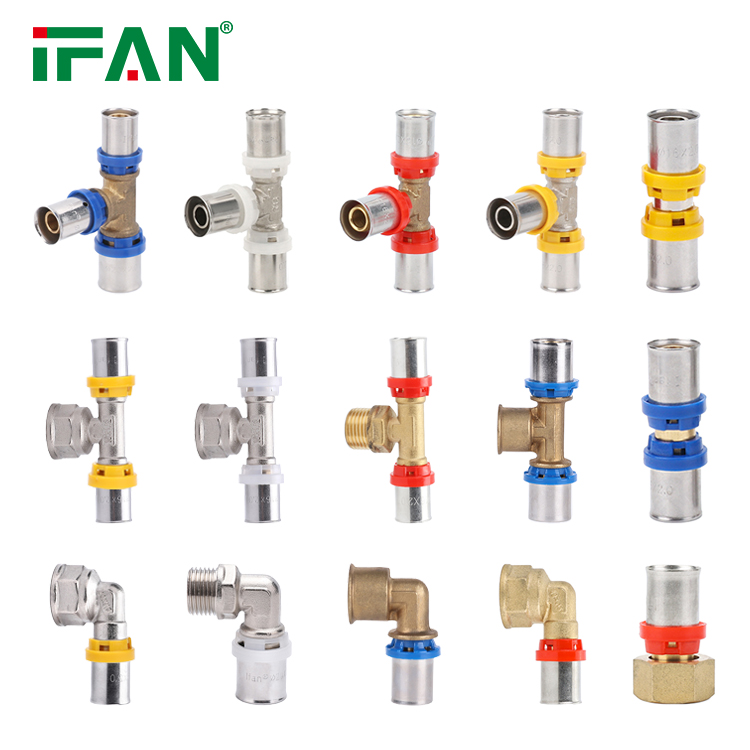
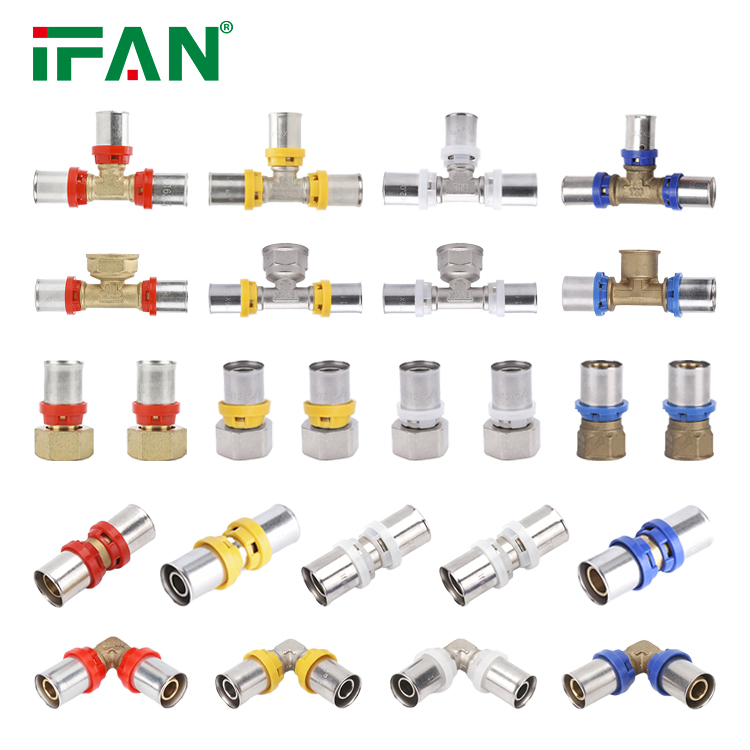
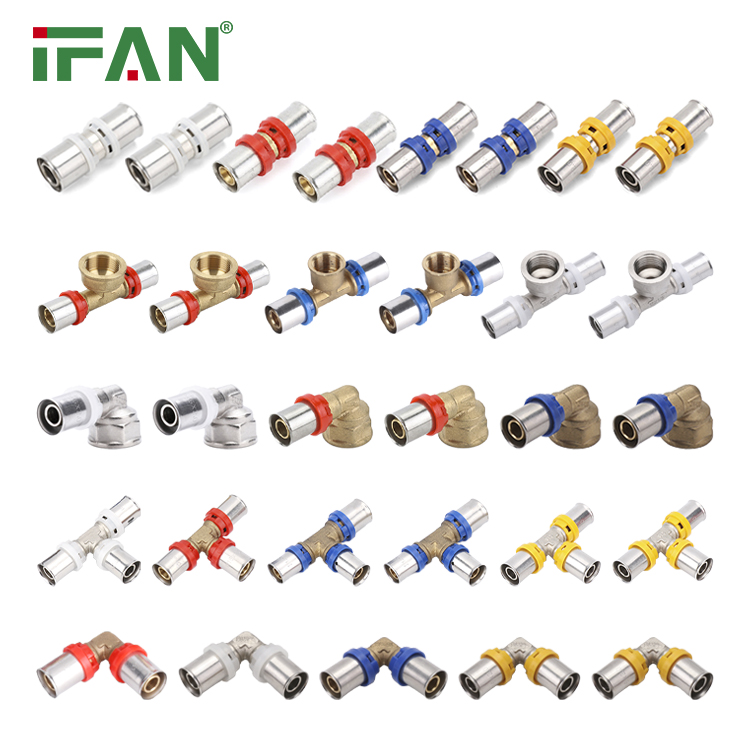
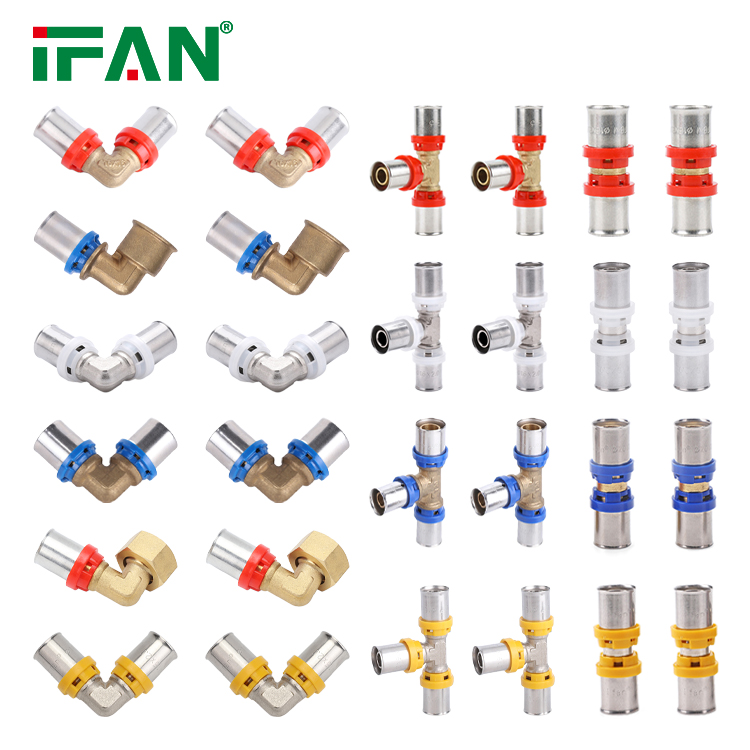
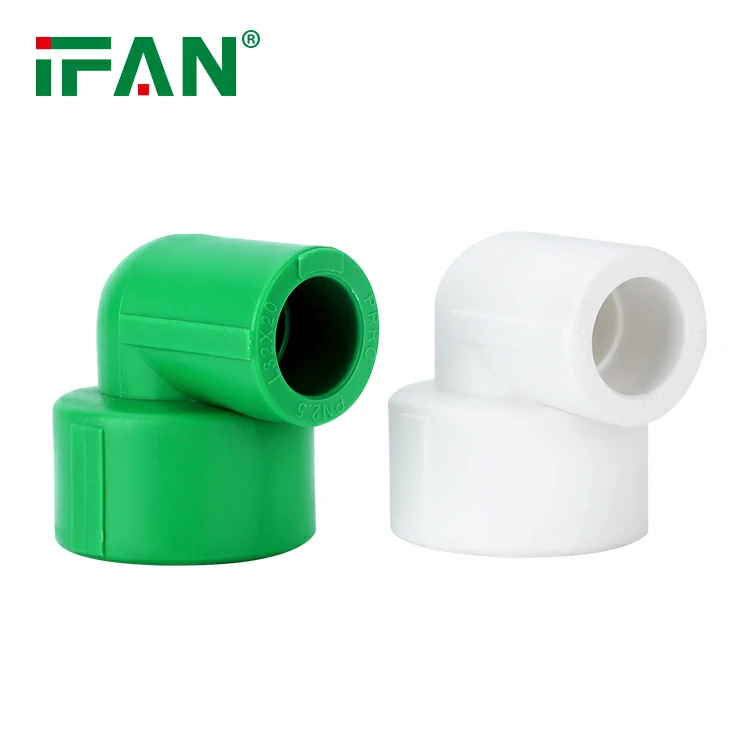
PPR fittings are integral components of modern plumbing systems. Made from a high-quality plastic material, PPR is used to manufacture a range of plumbing fittings such as elbows, tees, couplings, and valves. These fittings are lightweight, easy to install, and highly resistant to chemical reactions, making them ideal for both residential and industrial applications. They are also known for their high thermal stability, which makes them suitable for hot water systems.
However, the growing popularity of PPR fittings has also attracted counterfeit manufacturers who produce substandard fittings that fail to meet the necessary standards. These fake products are often made with low-quality materials, making them prone to wear and tear, leaks, and even catastrophic failure. The government’s decision to sanction these producers is an important step toward protecting both consumers and the integrity of plumbing systems.
The Problem with Fake PPR Fittings
Counterfeit PPR fittings are a serious concern in the plumbing industry. They are typically produced using inferior materials, which compromises their strength and durability. Some of the common issues with fake PPR fittings include:
- Poor resistance to heat and pressure: Fake PPR fittings often cannot withstand the high temperatures or pressures required for plumbing systems, leading to the risk of ruptures or leaks.
- Corrosion and degradation: Low-quality materials used in counterfeit fittings are susceptible to corrosion, which can lead to contamination of the water supply.
- Increased maintenance costs: The use of substandard fittings often results in frequent repairs and replacements, raising maintenance costs for homeowners and businesses alike.
In addition to these practical problems, the use of fake PPR fittings undermines consumer confidence in the plumbing industry and the safety of water systems. It also leads to a loss of trust in legitimate manufacturers who produce high-quality products that adhere to industry standards.
FG’s Efforts to Combat Fake PPR Fittings
The Federal Government’s decision to sanction producers of fake PPR fittings is a necessary measure to curb the spread of counterfeit products in the market. The government plans to impose fines, shut down counterfeit manufacturing plants, and enforce stricter regulations to ensure that only legitimate producers meet the required standards for PPR fittings.
One of the primary goals of these sanctions is to protect the public and reduce the risk of plumbing system failures caused by the use of substandard fittings. The government aims to improve product quality by cracking down on illegal manufacturers and encouraging consumers to choose certified, reliable brands.
Additionally, the government is expected to collaborate with industry stakeholders, including manufacturers, distributors, and regulatory bodies, to promote awareness of the dangers of fake PPR fittings and the importance of purchasing certified products. This partnership will help establish a more transparent supply chain, reducing the chances of counterfeit products entering the market.
How Consumers Can Protect Themselves
Consumers play a crucial role in ensuring that only high-quality PPR fittings are used in plumbing systems. To protect themselves from counterfeit products, consumers should follow these tips:
- Buy from reputable suppliers: Always purchase PPR fittings from trusted suppliers who can provide certification of quality. Reputable suppliers are more likely to offer genuine products that adhere to industry standards.
- Check for certification marks: Authentic PPR fittings should have clear certification marks that prove they meet the required quality standards. Look for marks from recognized organizations that validate the product’s compliance with safety and performance regulations.
- Inspect the product: Before purchasing, inspect the fittings for any signs of poor craftsmanship, such as rough edges, discoloration, or weak construction. Genuine PPR fittings are usually smooth, well-constructed, and free of defects.
- Verify the manufacturer: Research the manufacturer to ensure they are a well-established, trusted name in the industry. Verify their credentials and reputation to confirm that they produce high-quality products.
The Future of PPR Fittings in the Market
As the Federal Government takes a firm stand against counterfeit PPR fittings, the plumbing industry can expect to see improved standards and a greater emphasis on quality control. With the increasing use of PPR fittings in residential and commercial plumbing systems, it is essential to ensure that these products are reliable and safe for use.
Over time, the government’s actions may lead to better consumer awareness, stronger enforcement of regulations, and a decline in the availability of fake PPR fittings. As a result, consumers will be more confident in the safety and quality of their plumbing systems, and the industry will continue to grow and evolve with greater accountability.
Conclusion
The Federal Government’s decision to sanction producers of fake PPR fittings marks an important step toward ensuring the safety, reliability, and quality of plumbing systems across the country. By cracking down on counterfeit products and promoting consumer awareness, the government is taking proactive measures to protect public health and maintain the integrity of plumbing infrastructure. As a result, consumers can have greater peace of mind knowing that the PPR fittings they purchase are of the highest quality.
Frequently Asked Questions (FAQ)
- What are PPR fittings used for?
PPR fittings are used in plumbing systems for water distribution. They are durable, heat-resistant, and chemical-resistant, making them suitable for both residential and industrial applications. - How can I identify fake PPR fittings?
Fake PPR fittings often have poor craftsmanship, such as rough edges or discoloration. Always buy from reputable suppliers and check for certification marks that verify the product’s quality. - Why are fake PPR fittings dangerous?
Fake PPR fittings are made from low-quality materials, which can cause plumbing system failures. They are prone to leaks, corrosion, and degradation, which can contaminate the water supply and increase maintenance costs. - How can I protect myself from buying fake PPR fittings?
Purchase PPR fittings from trusted suppliers, check for certification marks, inspect the product for defects, and verify the manufacturer’s reputation to ensure you’re buying genuine products. - What is the government doing to combat fake PPR fittings?
The government plans to impose fines, shut down illegal manufacturing plants, and enforce stricter regulations to ensure that only certified producers of high-quality PPR fittings are allowed to operate.