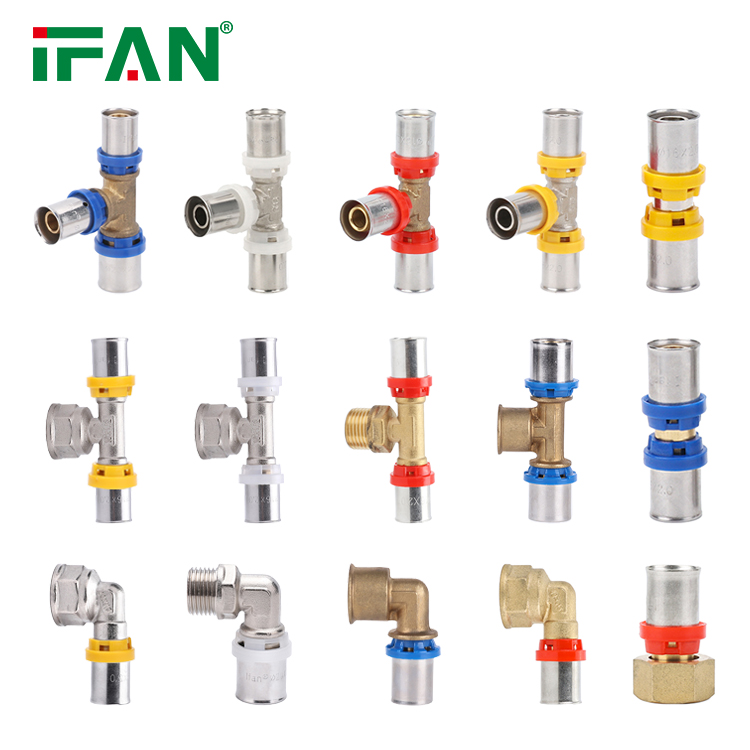
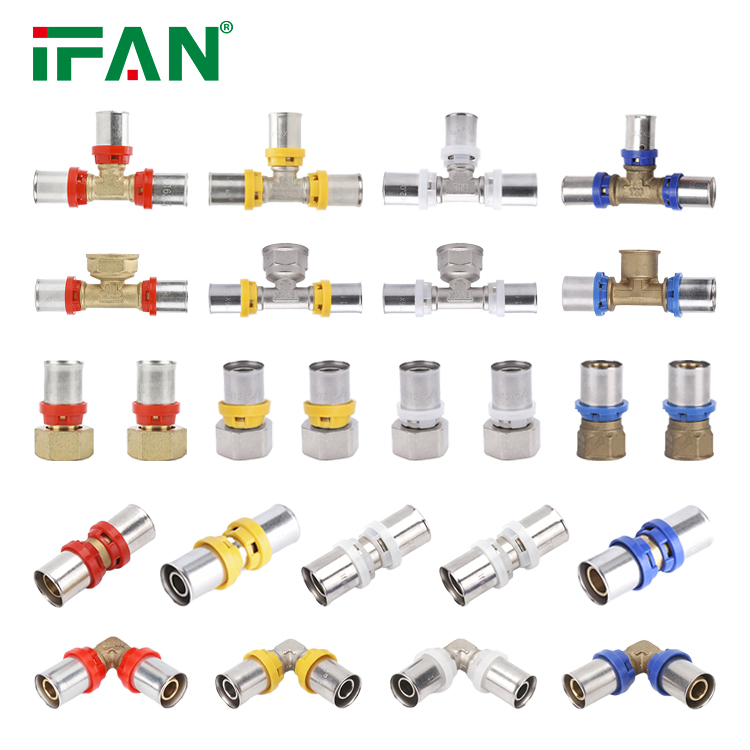
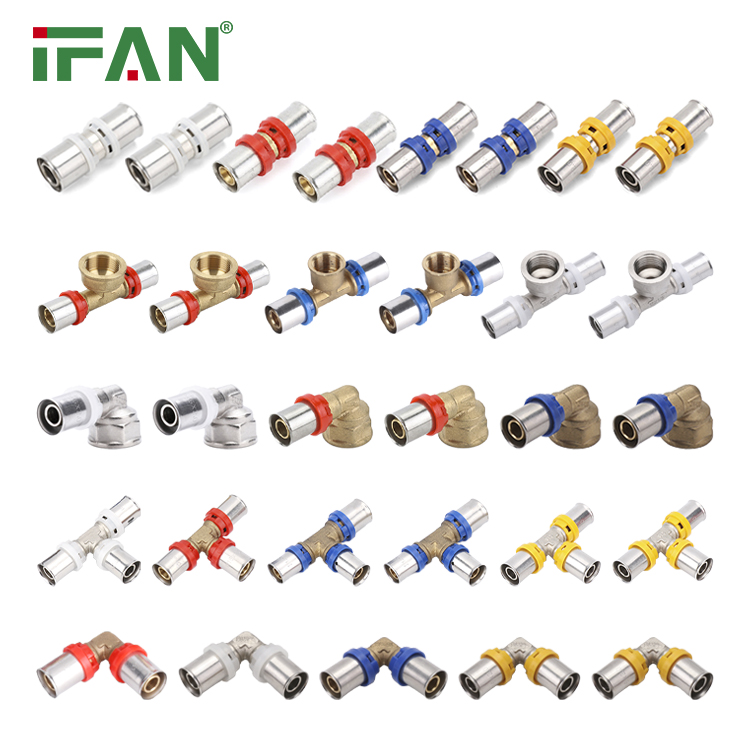
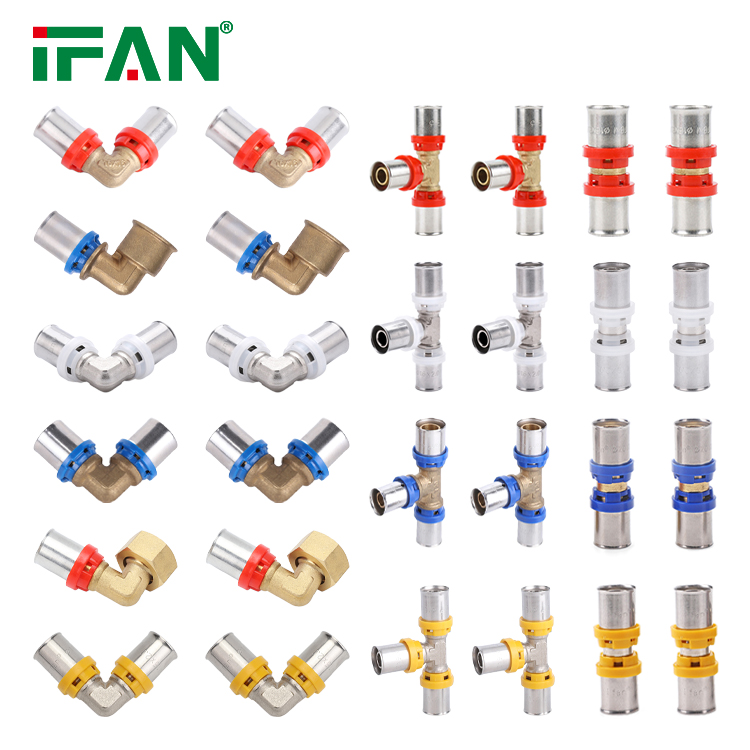
Brass fittings are essential components in various applications, ranging from plumbing to electrical systems. The composition of brass alloys significantly influences their properties, performance, and suitability for specific tasks. Among these compositions, zinc content plays a critical role in determining the characteristics of brass fittings. This article explores the general trends for brass fitting alloys as zinc content is varied, focusing on the implications for durability, corrosion resistance, machinability, and overall performance.
1. Understanding Brass Alloys
1.1. What is Brass?
Brass is an alloy primarily composed of copper and zinc. The proportions of these metals can vary, leading to different types of brass alloys, each with unique properties. Brass is known for its excellent machinability, corrosion resistance, and aesthetic appeal, making it a popular choice for fittings and fixtures.
1.2. Common Types of Brass Alloys
Brass alloys are typically categorized based on their zinc content:
- Low-Zinc Brass (Less than 15% Zinc): Known for its high copper content, offering excellent corrosion resistance and ductility.
- Medium-Zinc Brass (15% to 30% Zinc): Balances strength and ductility, making it suitable for a wide range of applications.
- High-Zinc Brass (More than 30% Zinc): Provides increased strength and reduced ductility, often used in applications requiring high resistance to wear.
2. The Role of Zinc in Brass Fittings
2.1. Enhancing Mechanical Properties
As zinc content increases in brass fittings, several mechanical properties change:
- Strength: Higher zinc content typically increases the tensile strength of brass fittings. This makes them suitable for applications where high strength is required.
- Ductility: While strength increases, ductility often decreases with higher zinc levels. This trade-off is crucial to consider when selecting brass fittings for specific applications.
2.2. Corrosion Resistance
Zinc plays a vital role in the corrosion resistance of brass fittings:
- Galvanic Protection: Zinc acts as a sacrificial anode, protecting the more noble copper from corrosion. This property is particularly beneficial in plumbing applications where fittings are exposed to moisture.
- Corrosion Rate: The corrosion rate can vary with zinc content. Generally, lower zinc brass exhibits better resistance to certain types of corrosion, while higher zinc brass may be more susceptible to dezincification, a process where zinc is leached out, leaving a porous copper structure.
3. Machinability of Brass Fittings
3.1. Importance of Machinability
Machinability refers to how easily a material can be machined into desired shapes and sizes. For brass fittings, excellent machinability is crucial for efficient manufacturing processes.
3.2. Impact of Zinc Content on Machinability
- Low-Zinc Brass: Offers superior machinability due to its higher copper content. It allows for smoother cutting and shaping processes, making it ideal for intricate fittings.
- Medium-Zinc Brass: Provides a balanced machinability, suitable for standard manufacturing processes.
- High-Zinc Brass: While it offers increased strength, high zinc content can lead to challenges in machining, such as increased tool wear and the potential for chip formation during cutting.
4. Applications of Brass Fittings Based on Zinc Content
4.1. Plumbing Systems
Brass fittings are widely used in plumbing systems due to their corrosion resistance and durability.
- Low-Zinc Brass: Preferred for applications where water quality is a concern, such as drinking water systems, due to its superior corrosion resistance.
- Medium-Zinc Brass: Commonly used in general plumbing applications, balancing strength and ductility.
- High-Zinc Brass: Suitable for industrial applications where strength is prioritized over corrosion resistance.
4.2. Electrical Applications
Brass fittings are also used in electrical applications due to their excellent conductivity.
- Low-Zinc Brass: Often used in connectors and terminals, where high conductivity and corrosion resistance are essential.
- Medium-Zinc Brass: Used in various electrical fittings, providing a balance of conductivity and strength.
- High-Zinc Brass: Less common in electrical applications due to reduced conductivity compared to lower zinc options.
5. Trends in Brass Fitting Alloys
5.1. Industry Preferences
The choice of brass fitting alloys is influenced by industry trends and specific application requirements.
- Sustainability: There is a growing emphasis on sustainable materials and practices. Manufacturers are increasingly seeking brass alloys that minimize environmental impact while maintaining performance.
- Innovation: Advances in alloy formulation and processing techniques are leading to the development of new brass fittings that offer enhanced properties, such as improved corrosion resistance and machinability.
5.2. Future Directions
As industries evolve, the demand for specialized