Brass ball valves are commonly used in HVAC, heating, and hydronic systems. They provide a simple way to shut off or control water flow during operation, maintenance, and system servicing.
However, not every brass ball valve is suitable for every HVAC application. The right choice depends on temperature, pressure, pipe size, connection type, fluid, and installation conditions. This guide explains the main factors to check before buying.
1. Check the Working Temperature
Temperature is one of the first specifications to review.
Heating systems can operate at higher temperatures than ordinary cold-water plumbing. The valve body, seals, and other internal components must therefore be suitable for the expected working temperature.
Do not select a valve based only on its appearance or nominal size. Always compare the manufacturer’s temperature rating with the actual system conditions.
2. Match the Working Pressure
HVAC and heating systems can have different pressure requirements.
Before selecting a brass ball valve, check the system’s normal working pressure and possible pressure fluctuations. The valve’s rated pressure should be appropriate for the application.
For distributors and contractors, clear pressure specifications are especially useful when selecting products for different heating or HVAC projects.
3. Choose the Correct Valve Size
Valve size should match the piping system and required flow conditions.
A larger valve is not automatically better. An oversized valve may not provide the desired flow characteristics, while an undersized valve can restrict flow and increase pressure loss.
When choosing an HVAC brass ball valve, consider:
- Pipe size
- Required flow rate
- System pressure
- Available installation space
- Connection dimensions
For more accurate selection, check the complete system design rather than choosing a valve from pipe size alone.
4. Consider the Connection Type
Connection compatibility is essential for a reliable installation.
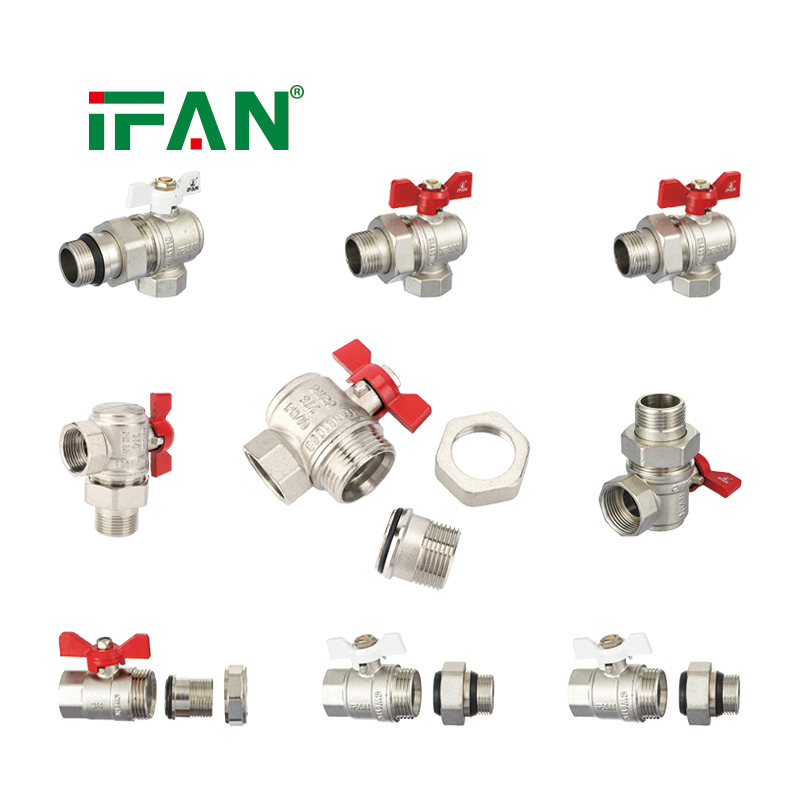
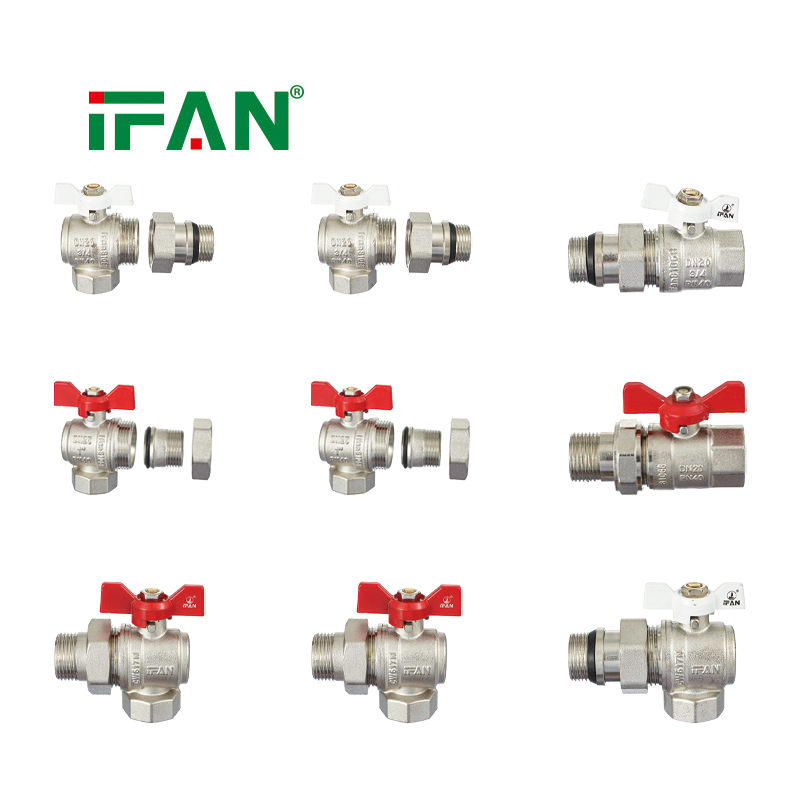
Brass ball valves are available with different connection and thread options. Depending on the project, buyers may need BSP, NPT, internal thread, external thread, or other connection configurations.
Before ordering, confirm both the thread standard and size. This is particularly important for international HVAC projects where different piping standards may be used.
5. Pay Attention to Seals and Internal Components
HVAC systems often operate for long periods, so internal component quality matters.
The ball, valve seats, seals, and stem should be suitable for the system’s temperature, pressure, and fluid conditions. Smooth operation is also important for maintenance and repeated shut-off operations.
For heating applications, buyers should ask the manufacturer for the material and performance specifications of these components when necessary.
6. Think About Installation and Maintenance
A good HVAC valve should also be practical to install and service.
Check the available space around the valve. Consider whether the handle can be operated easily after installation. The valve should also provide a secure connection with the surrounding pipes and fittings.
For larger HVAC projects, consistent product dimensions can make installation and replacement easier across multiple systems.
Why Consider IFAN Brass Ball Valves?
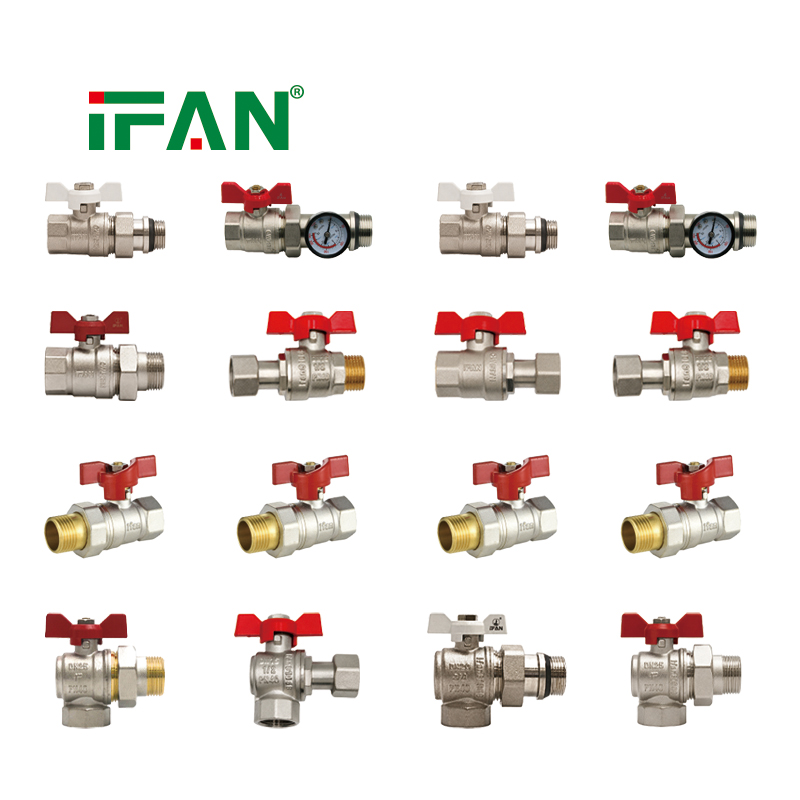
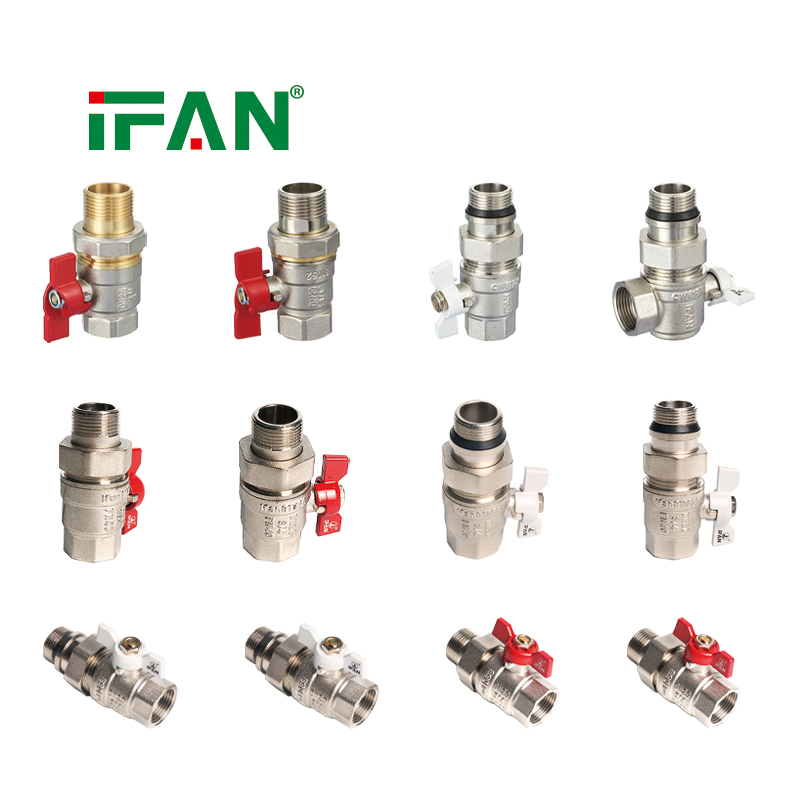
IFAN develops brass plumbing and HVAC-related products for different connection and application requirements. Its product range includes brass valves and other components used in water, heating, and plumbing systems.
For distributors, OEM buyers, and HVAC contractors, IFAN can be considered when specific requirements involve valve size, connection type, material configuration, or customized product solutions.
The best valve is not simply the one with the highest pressure rating or the largest size. It is the one that matches the actual system requirements.
Final Thoughts
Selecting brass ball valves for HVAC and heating systems requires more than checking the valve body material.
Always review temperature, pressure, size, flow requirements, connections, internal components, and installation conditions before ordering.
For bulk buyers, working with a manufacturer such as IFAN and confirming the technical specifications before production can make product selection more efficient and reduce compatibility problems.