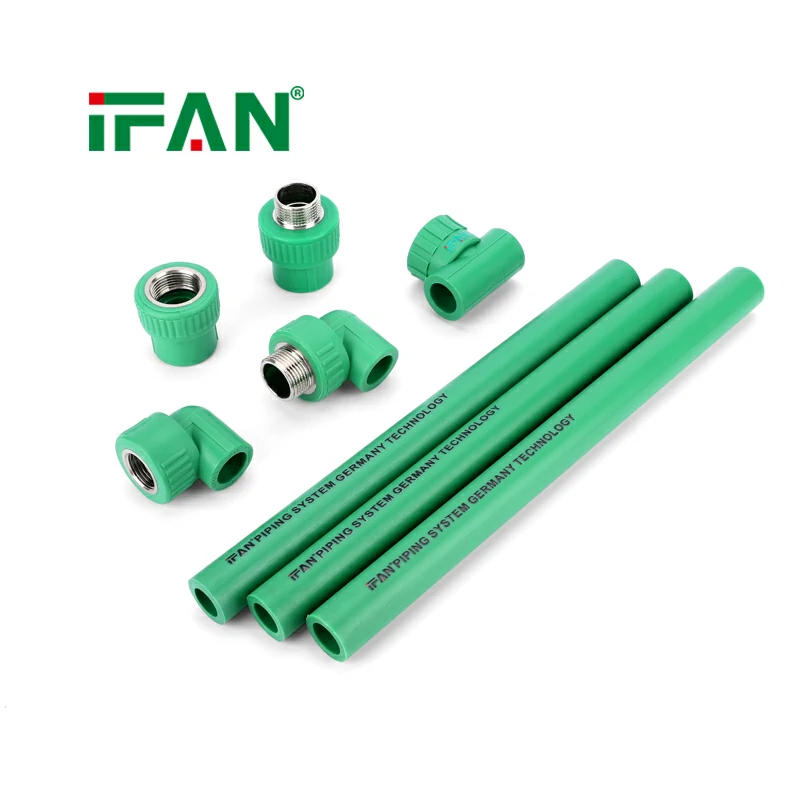
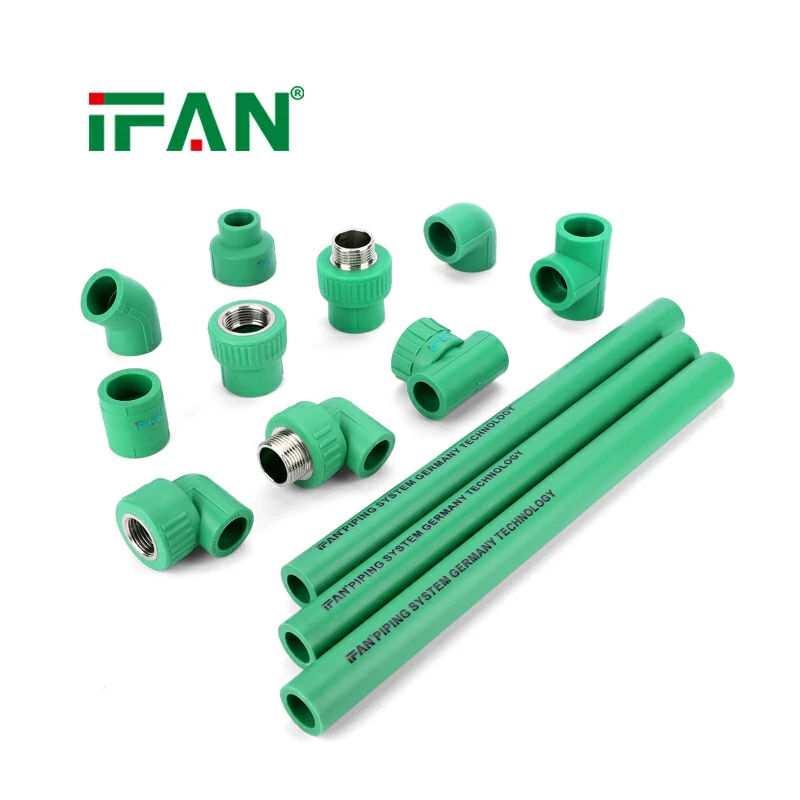
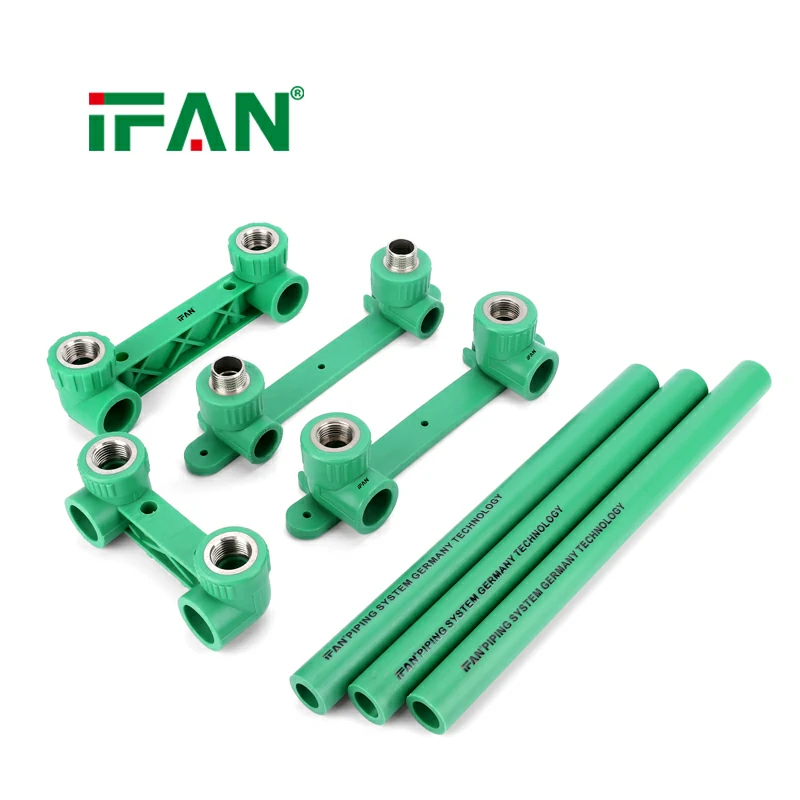
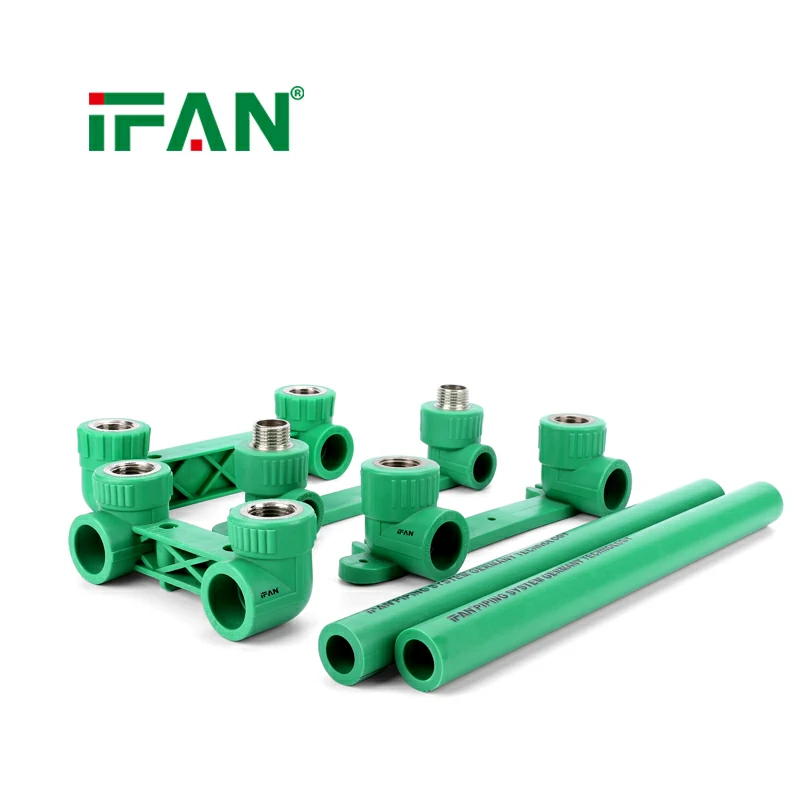
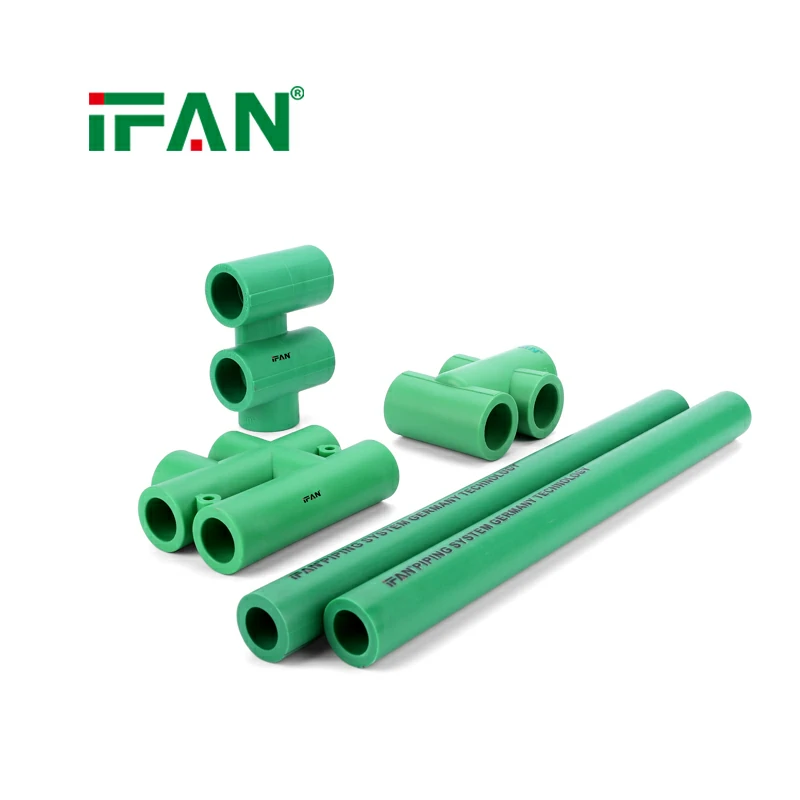
IFAN PPR Fittings – The Backbone of Safe Drinking Water Infrastructure
Introduction to IFAN PPR Fittings
When it comes to ensuring safe and reliable drinking water, every component in the pipeline matters. IFAN PPR fittings stand out as a trusted solution for building robust water supply systems. Known for their exceptional durability and safety, these fittings are engineered to meet the highest standards, making them indispensable in modern water infrastructure.
Durability That Lasts
IFAN PPR fittings are crafted from high-quality polypropylene random copolymer (PPR), a material recognized for its impressive strength and resistance to corrosion. Unlike traditional metal fittings, PPR fittings do not rust or degrade over time, ensuring a longer service life. This durability means fewer replacements and maintenance efforts, ultimately contributing to a more sustainable water management system.
Safety First in Water Supply
The safety of drinking water pipes is paramount, and IFAN PPR fittings excel in this area. Manufactured with non-toxic, food-grade materials, they do not leach harmful chemicals into the water, preserving water purity. Additionally, their smooth internal surfaces prevent bacterial growth, maintaining clean and safe water for everyday use in homes, schools, and hospitals.
Easy Installation for Efficiency
IFAN PPR fittings are designed to simplify installation. Their lightweight nature and seamless compatibility with various pipe systems reduce labor costs and installation times. The fusion welding technique used ensures leak-proof joints, which is critical for maintaining pressure and preventing contamination in water lines.
Versatility for Various Applications
From residential plumbing to large-scale municipal water projects, IFAN PPR fittings offer versatile solutions. Their resistance to high temperatures and pressures makes them suitable for both hot and cold water systems. This flexibility allows engineers and contractors to rely on these fittings across diverse environments and needs.
Environmental Benefits
Using IFAN PPR fittings contributes positively to environmental sustainability. Their longevity decreases the frequency of replacements, reducing waste. Moreover, the energy-efficient production process of PPR materials minimizes the carbon footprint compared to conventional metal fittings, supporting eco-friendly construction practices.
Conclusion: IFAN PPR Fittings as the Foundation of Safe Water Systems
Incorporating IFAN PPR fittings into your water infrastructure means investing in durability, safety, and efficiency. They form the backbone of safe drinking water systems, helping communities enjoy clean, reliable water every day. Choose IFAN for a future-proof, high-quality solution tailored to meet all your water supply demands.