Introduction to Safe Water Infrastructure
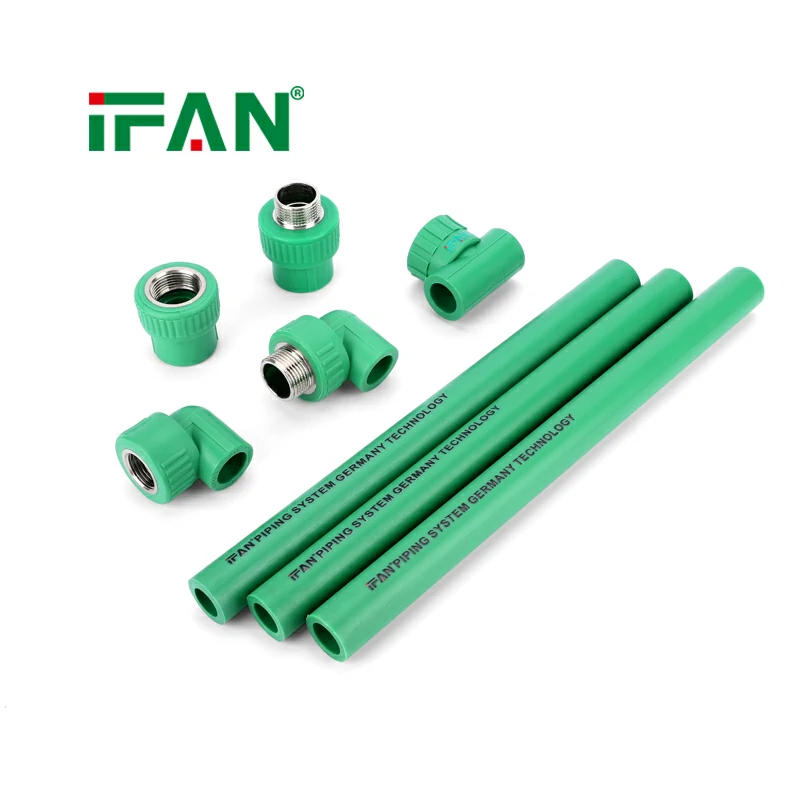
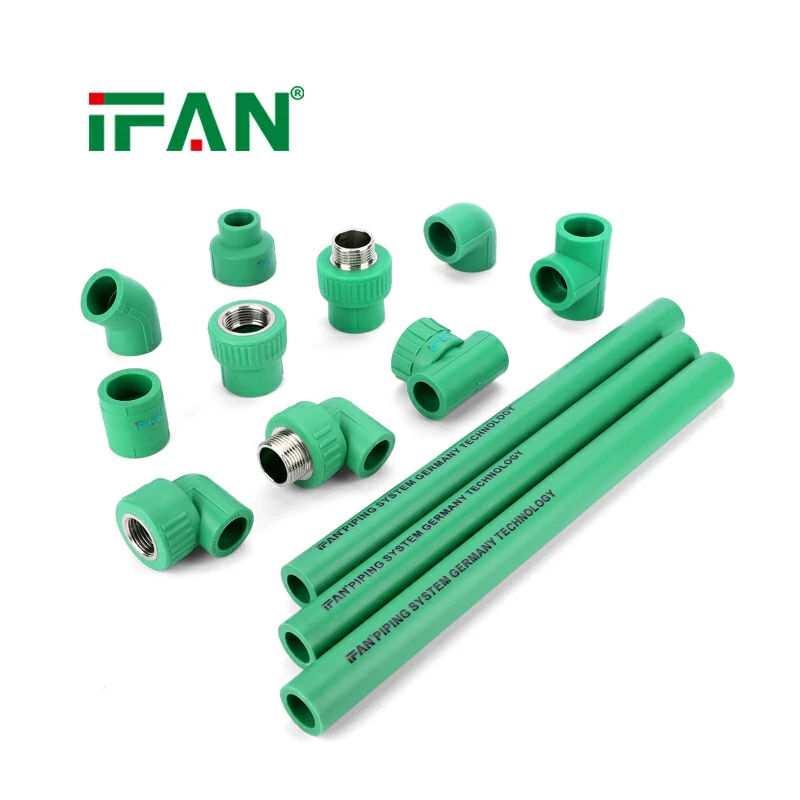
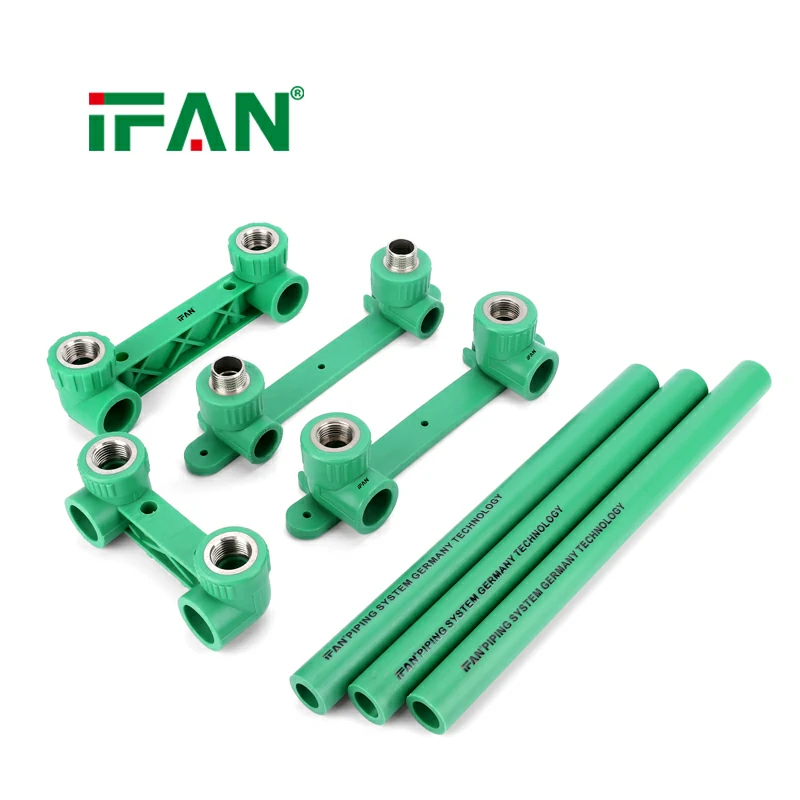
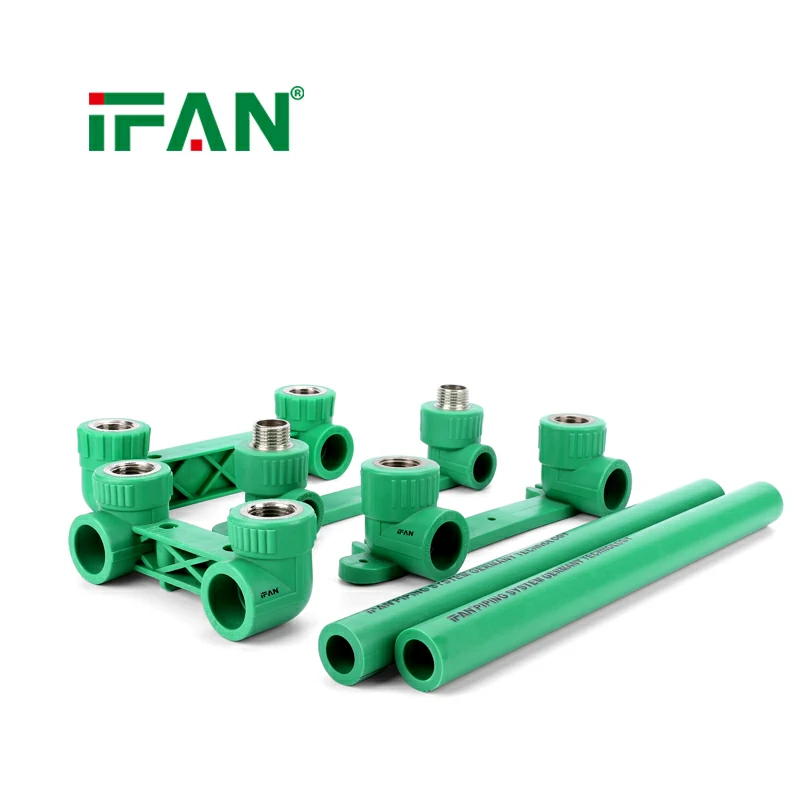
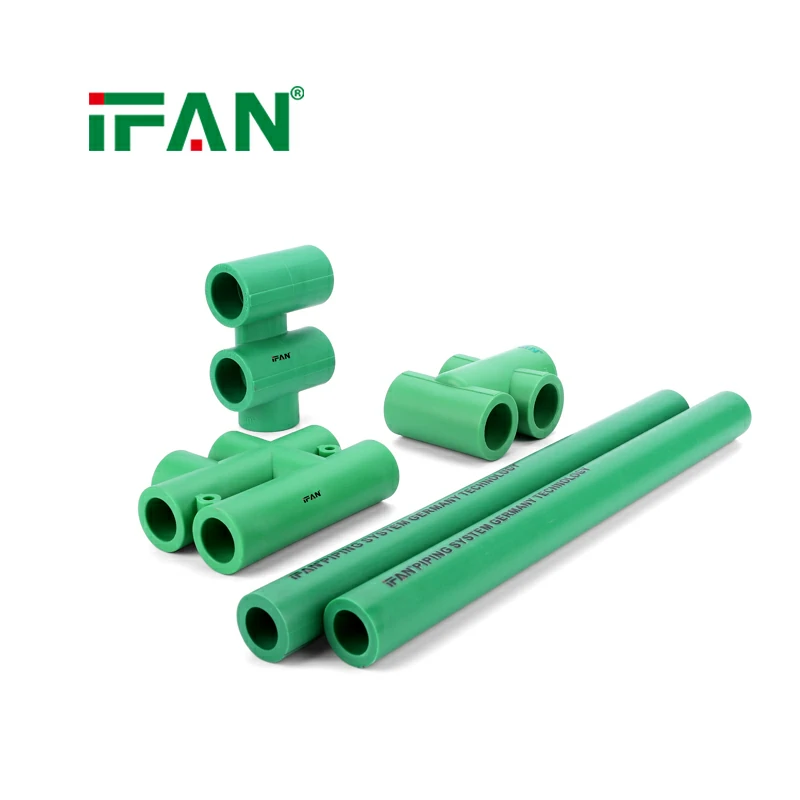
Access to safe drinking water is a fundamental necessity for healthy communities around the world. Building a reliable water supply system requires durable, safe, and efficient components that ensure water quality and system longevity. IFAN PPR fittings play a critical role in creating safe water supply systems, serving as the backbone of modern drinking water infrastructure.
Why Choose IFAN PPR Fittings?
IFAN PPR (Polypropylene Random Copolymer) fittings are engineered to provide robust performance in water distribution networks. Thanks to their heavy-duty construction, they resist corrosion, scaling, and chemical damage, which are common problems in traditional piping materials. This durability ensures clean water remains uncontaminated throughout the system.
Enhanced Safety and Hygiene Standards
Water safety is paramount, and IFAN PPR fittings meet stringent international hygiene standards. The fittings are manufactured from non-toxic, food-grade materials that prevent microbial growth, ensuring that water remains pure and safe from source to tap. Their smooth internal surfaces reduce friction loss, preventing sediment build-up and maintaining water clarity.
Easy Installation for Efficient Construction
IFAN PPR fittings are designed for easy installation using heat fusion technology. This method creates a uniform, leak-proof joint that enhances system integrity. The simplified installation process reduces labor costs and construction time, allowing for quicker deployment of safe water networks in both urban and rural areas.
Longevity and Environmental Benefits
Longevity is a key advantage of IFAN PPR fittings. These fittings have an extended service life, often exceeding 50 years under normal conditions. Their durability decreases the need for frequent replacements, reducing maintenance efforts and environmental waste. Moreover, IFAN PPR fittings are recyclable, supporting sustainable construction practices.
Versatility in Water Supply Systems
IFAN PPR fittings are highly versatile and suitable for a wide range of applications, including residential, commercial, and municipal water supply systems. Their compatibility with various pipes and adaptability to different pressures and temperatures make them an ideal choice for diverse infrastructure projects worldwide.
Conclusion: Building a Healthier Future with IFAN
Incorporating IFAN PPR fittings in water supply systems is a proactive step toward safeguarding public health and ensuring consistent access to safe drinking water. Their superior quality, reliability, and ease of use make IFAN PPR fittings the foundation of effective and sustainable water infrastructure. By choosing IFAN, communities invest in a healthier, more secure future for all.