Introduction
UPVC fittings for drainage and sewage systems play a critical role in modern plumbing infrastructure. These components ensure efficient wastewater flow, prevent leaks, and maintain long-term system stability. As construction standards continue to evolve, engineers and contractors increasingly prefer UPVC materials due to their durability, corrosion resistance, and cost efficiency.
Among many available brands, IFAN offers reliable UPVC fittings that meet international standards and adapt well to residential, commercial, and municipal drainage systems. This article explores the features, benefits, applications, and selection tips for UPVC drainage fittings while highlighting why IFAN remains a competitive choice in the global market.
What Are UPVC Fittings for Drainage Systems
UPVC, or unplasticized polyvinyl chloride, is a rigid plastic material widely used in piping systems. Manufacturers design UPVC fittings to connect pipes, change flow direction, or control water movement within drainage and sewage networks.
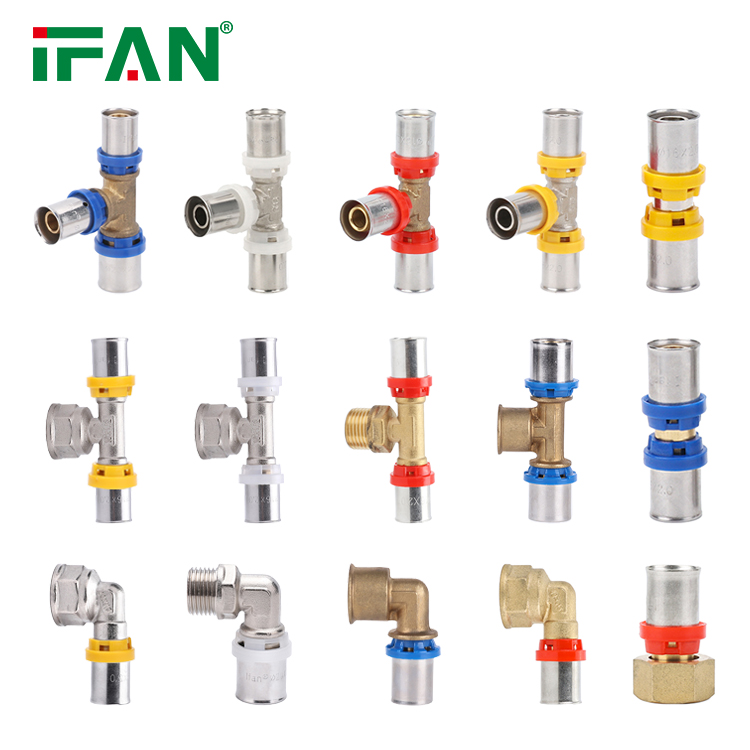
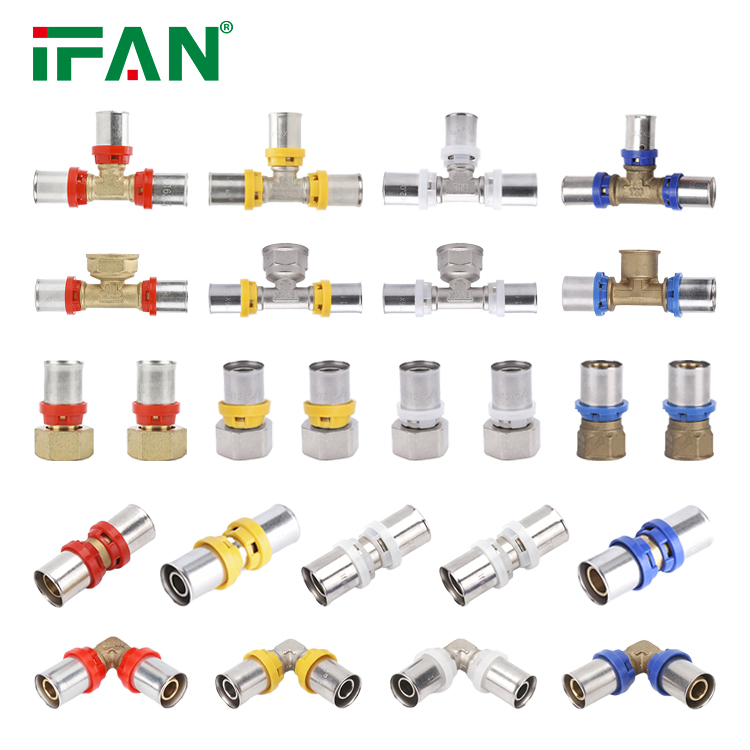
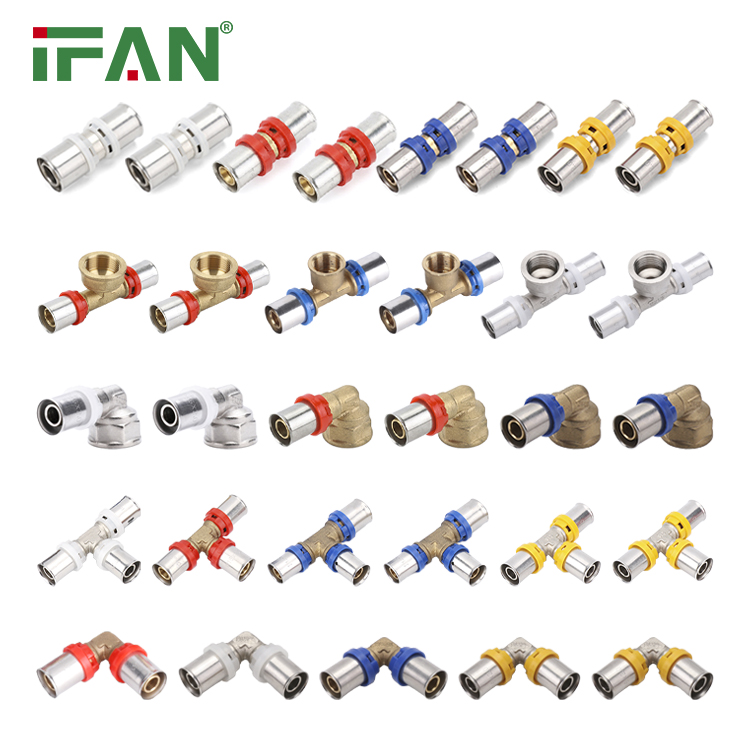
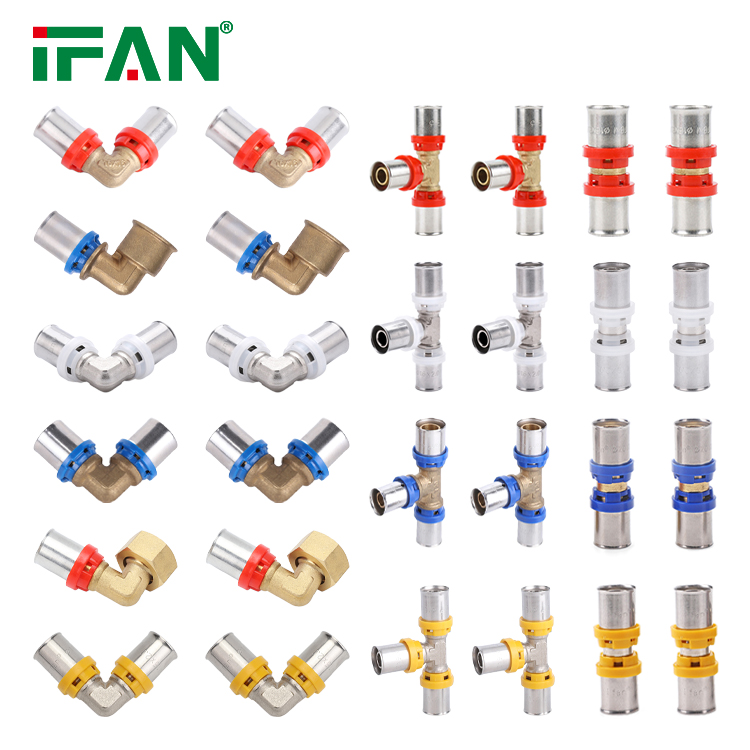
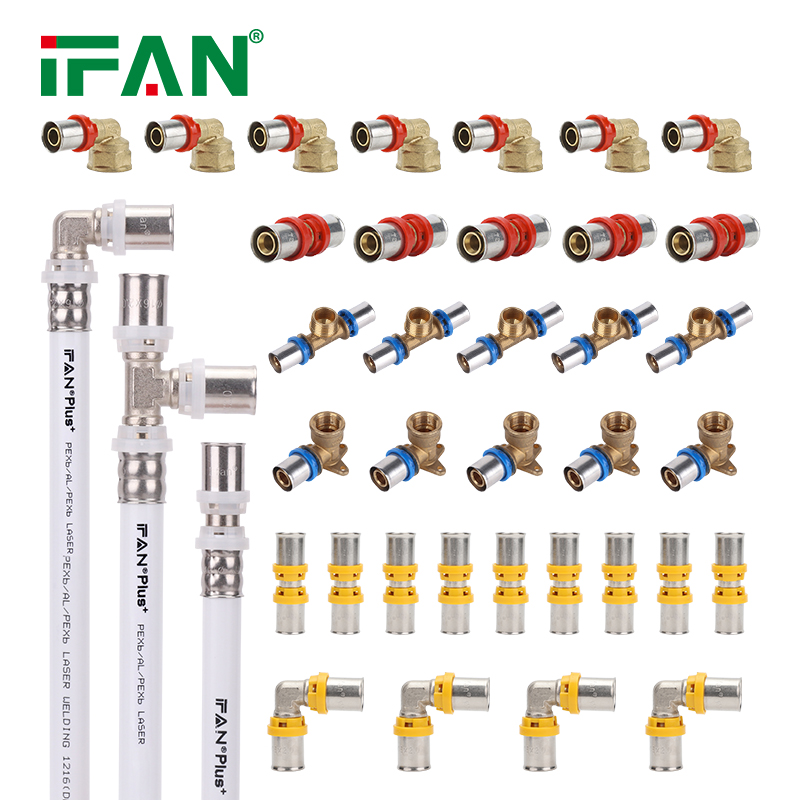
These fittings include elbows, tees, reducers, couplings, and end caps. Each type serves a specific function and ensures a smooth and efficient wastewater flow path. Unlike traditional metal fittings, UPVC components do not rust or scale, which makes them ideal for long-term sewage applications.
Key Features of UPVC Drainage Fittings
UPVC fittings stand out due to their technical advantages. These features directly improve system performance and reduce maintenance costs.
First, UPVC offers excellent corrosion resistance. Sewage systems often carry chemicals and waste materials that can damage metal pipes, but UPVC remains stable under such conditions.
Second, the material provides a smooth inner surface. This design reduces friction and helps wastewater flow more efficiently, which minimizes blockages.
Third, UPVC fittings are lightweight and easy to handle. Installers can complete projects faster without heavy equipment, which reduces labor costs.
In addition, UPVC materials show strong resistance to biological growth. This property helps maintain hygiene in sewage systems and prevents contamination.
IFAN integrates these features into its UPVC fittings while ensuring strict quality control during production, which results in consistent performance across different installation environments.
Benefits of Using IFAN UPVC Fittings
Choosing the right brand significantly impacts the reliability of a drainage system. IFAN UPVC fittings offer several practical benefits that meet the needs of contractors and project managers.
IFAN products maintain dimensional accuracy, which ensures tight connections and reduces the risk of leakage. This precision simplifies installation and enhances overall system safety.
The brand also focuses on long service life. IFAN UPVC fittings can operate for decades without significant degradation when installed correctly, which makes them a cost-effective investment.
Another advantage lies in environmental performance. UPVC materials are recyclable, and IFAN promotes sustainable manufacturing processes to reduce environmental impact.
Moreover, IFAN provides a wide range of sizes and specifications, allowing users to match fittings with different pipe systems and project requirements easily.
Applications in Drainage and Sewage Systems
UPVC fittings support a wide variety of drainage and sewage applications. Their versatility makes them suitable for both small-scale and large-scale projects.
In residential buildings, these fittings connect household drainage pipes, including kitchen, bathroom, and toilet systems. They ensure smooth wastewater discharge and reduce the risk of leakage.
In commercial projects, such as shopping centers and office buildings, UPVC fittings handle higher volumes of wastewater while maintaining stable performance.
Municipal sewage systems also rely on UPVC components. Engineers use them in underground pipelines to transport wastewater over long distances efficiently.
IFAN UPVC fittings perform well in all these scenarios due to their robust design and consistent quality, which helps ensure reliable operation even under demanding conditions.
Installation Tips for UPVC Fittings
Proper installation directly affects the performance of UPVC drainage systems. Following best practices can extend the lifespan of the fittings and reduce maintenance issues.
First, installers should clean pipe ends before connection. Dirt or debris can weaken the joint and cause leakage.
Second, use appropriate adhesives or rubber seals depending on the connection type. This step ensures a secure and watertight fit.
Third, avoid excessive force during installation. UPVC materials are strong but can crack if handled improperly.
In addition, maintain proper alignment of pipes and fittings. Misalignment can create stress points and lead to long-term damage.
IFAN designs its UPVC fittings for easy installation, which helps reduce errors and improves efficiency on construction sites.
How to Choose the Right UPVC Fittings
Selecting suitable UPVC fittings requires careful consideration of several factors. Making the right choice ensures optimal system performance.
Start by checking the size and compatibility of the fittings with existing pipes. Incorrect sizing can lead to poor connections and system failure.
Next, evaluate the pressure and flow requirements of the drainage system. Although sewage systems usually operate under low pressure, proper design still matters.
Also, consider certification and quality standards. Reliable brands like IFAN follow international standards, which ensures product safety and durability.
Finally, review supplier reputation and after-sales support. A trusted manufacturer can provide technical guidance and consistent product quality.
Conclusion
UPVC fittings for drainage and sewage systems provide a modern solution for efficient wastewater management. Their corrosion resistance, smooth flow characteristics, and ease of installation make them a preferred choice across various applications.
IFAN UPVC fittings combine quality, durability, and environmental responsibility, which makes them suitable for both residential and large-scale infrastructure projects. By selecting the right fittings and following proper installation practices, users can build reliable drainage systems that perform efficiently for many years.