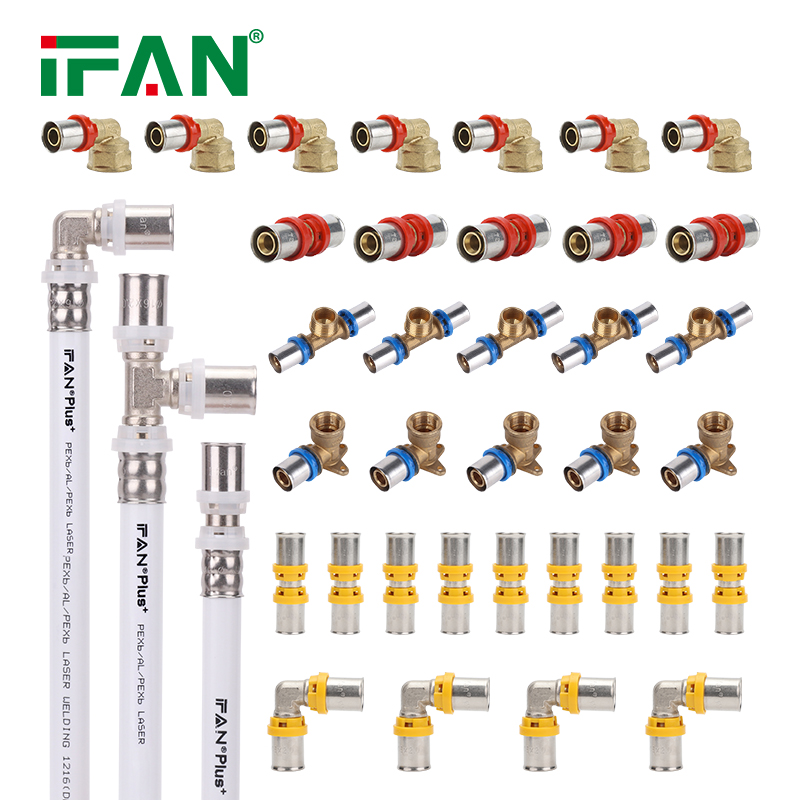
When it comes to plumbing systems, the materials used play a crucial role in ensuring safety, durability, and reliability, particularly for potable water applications. In recent years, PEX (cross-linked polyethylene) pipe has become a favored option for water supply lines due to its flexibility, resistance to corrosion, and ease of installation. However, to maintain high quality standards for potable water, new improvements to the American Water Works Association (AWWA) C904 standards have been implemented. This article will delve into the significance of the improved AWWA C904 standard for underground potable PEX pipe water service line installation, exploring the benefits, compliance requirements, installation procedures, and considerations for use.
Understanding PEX Pipe
What is PEX Pipe?
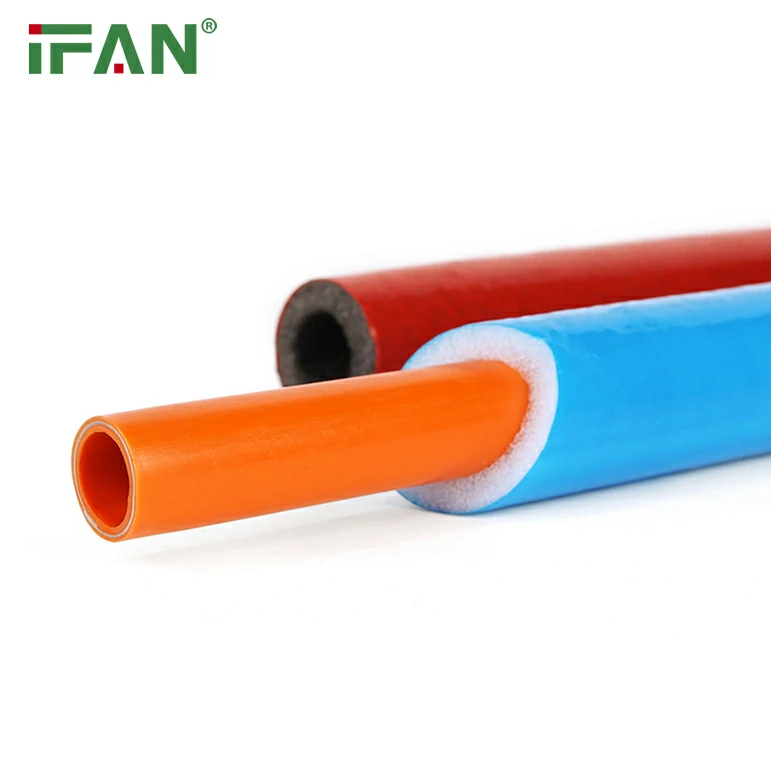
PEX pipe is made from cross-linked polyethylene, a flexible plastic polymer widely used in plumbing, heating, and cooling applications. Its development has revolutionized plumbing due to certain advantages:
- Flexibility and Ease of Installation: PEX can bend around corners, reducing the need for multiple fittings and making the installation process faster and more efficient.
- Corrosion Resistance: Unlike metal pipes, PEX does not corrode or rust, which contributes to improved water quality over time.
- Thermal Efficiency: PEX has natural insulation properties, helping to maintain water temperature and improve energy efficiency in heating systems.
Applications of PEX Pipe
PEX is suitable for various applications, including:
- Residential Water Supply: Used for hot and cold water lines in homes.
- Commercial Plumbing: Ideal for new constructions and renovations in commercial settings.
- Radiant Heating Systems: Commonly used in floor heating systems for efficient heat distribution.
- Hydronic Heating Systems: Essential for heating and cooling systems that use water as a medium.
The Importance of AWWA C904 Standard
What is AWWA C904?
The AWWA C904 standard is crucial for governing the use of PEX piping systems in water distribution, specifically focusing on underground potable applications. It sets forth guidelines for the material, installation, and testing requirements necessary to ensure the safe delivery of drinking water.
Purpose of the Improved AWWA C904 Standard
Recent enhancements to the AWWA C904 standard address potential shortcomings from previous versions, ensuring that PEX pipes meet stringent safety and quality benchmarks. The improvements aim to:
- Ensure Safe Drinking Water: By incorporating higher quality materials and rigorous testing procedures, the standard helps ensure that potable water delivered through PEX remains uncontaminated.
- Enhance Performance: Improvements to the standard aim to enhance the overall performance and longevity of PEX pipes in underground applications, thus reducing leaks and failures.
- Promote Best Practices: The updated standard advocates for best practices in installation and maintenance, encouraging contractors and plumbers to adhere to high-quality workmanship.
Benefits of Improved AWWA C904 for PEX Pipe
1. Enhanced Safety Standards
The revised AWWA C904 standard mandates thorough testing of PEX pipes for longevity, tensile strength, and resistance to environmental factors. These measures help minimize the chances of leaks, which can lead to water contamination, thereby ensuring safe drinking water for consumers.
2. Increased Durability
Improvements in the materials specified in the AWWA C904 standard have led to increased durability of PEX pipes. This means they can better withstand external pressures, temperature fluctuations, and harsh underground conditions, thereby extending their operational lifespan.
3. Reduced Risk of Contamination
The enhanced guidelines for the manufacturing process help eliminate the risk of contaminants entering the water supply. With stricter specifications for material purity and resistance to harmful substances, consumers can trust that the PEX pipes installed for potable water service do not compromise water safety.
4. Cost-Effectiveness
While the initial cost of high-quality PEX may be slightly higher, the long-term savings are significant. With fewer failures and repairs needed due to improved durability and performance, contractors and property owners can benefit financially over time.
Installation of Underground Potable PEX Pipe
Planning and Preparation
Before installation, thorough planning is crucial:
- Site Analysis: Evaluate the installation site for existing infrastructure, soil conditions, and potential obstacles.
- Permits and Regulations: Make sure to acquire any necessary permits and consultation on local building codes to comply with regulations regarding potable water service lines.
- Material Selection: Ensure that the PEX pipe selected meets the AWWA C904 standards and is suitable for underground applications.
Step-by-Step Installation Process
- Excavation: Dig a trench where the PEX pipe will be installed, ensuring it meets the required depth and width as per local codes.
- Prepare the PEX Pipe: Cut the PEX pipe to the required lengths using a proper pipe cutter. Ensure that the cuts are clean to create secure connections.
- Add Bedding: Place a layer of sand or gravel at the bottom of the trench to provide a stable base for the PEX pipe.
- Installation of PEX Pipe: Lay the PEX pipe in the trench, ensuring it is not kinked or bent beyond its minimum bend radius. Maintain the appropriate distance from other utility lines as required by local codes.
- Connect Fittings: Use appropriate PEX fittings, ensuring each connection follows the guidelines specified by AWWA C904. Properly secure each fitting and ensure that it is leak-free.
- Backfill: Once the pipe is installed and connected, backfill the trench with soil, ensuring there are no sharp objects that could damage the PEX pipe.
- Testing: Conduct water pressure testing to ensure there are no leaks present before covering the installation site completely. This step is essential for verifying the integrity of the system.
Final Inspections
Conduct a final inspection after installation. This should include verifying that all joints remain secure and that the PEX pipe is properly insulated and protected against external elements.
Considerations for Use
Temperature and Pressure
While PEX is versatile, it is essential to be aware of the temperature and pressure ratings specified by AWWA C904 and the manufacturer’s guidelines. Exceeding these limits can lead to premature failure or leaks.
UV Protection
Although PEX pipes are often buried underground, any exposed sections must be protected from UV rays, which can degrade the material. If visible above ground, consider using protective sleeves or insulation.
Monitoring and Maintenance
Periodically monitor underground PEX installations for signs of distress, such as unusual pressure drops or water quality changes. Promptly addressing any issues can prevent significant problems down the line.
Conclusion
The improvements made to the AWWA C904 standard are essential for ensuring the reliability and safety of underground potable PEX pipe water service line installations. With their enhanced specifications, these standards help guarantee that PEX pipes deliver safe drinking water and stand the test of time. By adhering to the guidelines outlined in the AWWA C904 standard, contractors and plumbers can provide high-quality installations that meet the needs of modern consumers. As the demand for efficient plumbing solutions continues to grow, PEX pipes, when installed according to stringent standards, will remain a central component of modern water supply systems.
FAQs
1. What is AWWA C904?
AWWA C904 is the American Water Works Association standard that outlines guidelines for using PEX piping in underground potable water applications.
2. What are the benefits of using PEX pipe for water service lines?
PEX pipes are flexible, resistant to corrosion, energy-efficient, and require fewer fittings, offering significant advantages over traditional materials in plumbing applications.
3. What improvements have been made to AWWA C904?
Recent improvements to AWWA C904 include enhanced material specifications and testing requirements to ensure greater durability and safety in potable water applications.
4. How should I install PEX pipe for underground use?
Installation involves planning, excavation, laying the PEX pipe in a properly prepared trench, securing fittings, backfilling, and conducting pressure tests to ensure leak-free joints.
5. Are there any maintenance requirements for underground PEX installations?
While PEX is low-maintenance, periodic monitoring for leaks and pressure changes is crucial. Regular inspections help ensure the system remains in good condition.