In recent years, concerns surrounding the safety of drinking water have taken center stage in Australia, with particular attention being drawn to the presence of lead in the water supply. One of the surprising culprits identified in this issue is brass taps, which are commonly used in residential and commercial plumbing systems across the country. This article delves into how lead leaching from brass taps occurs, the health implications of lead exposure, regulatory measures, and what consumers can do to ensure safe drinking water.
Understanding Brass Taps and Lead Content
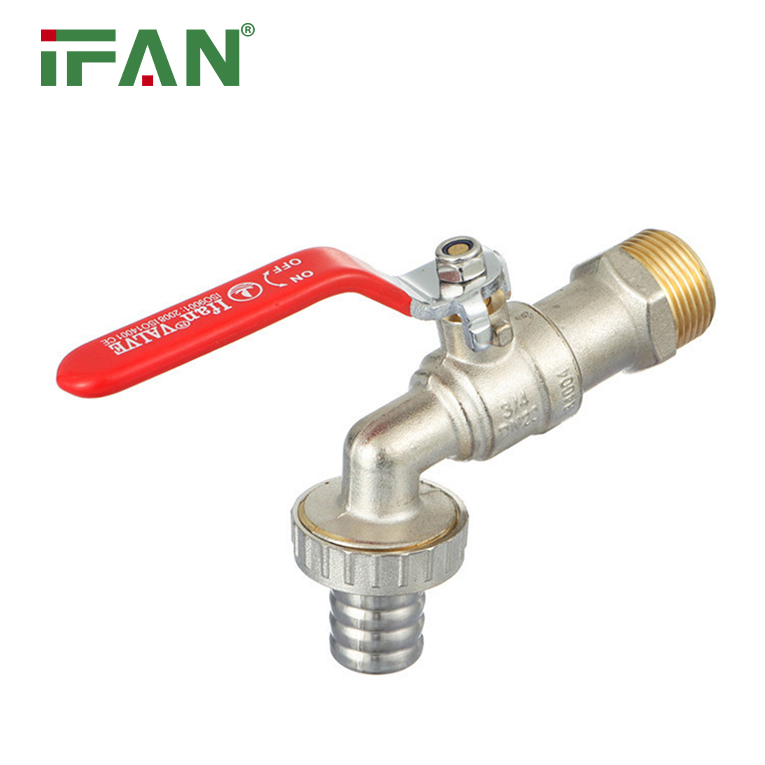
Brass, an alloy primarily composed of copper and zinc, has been a popular choice for plumbing fixtures due to its durability, resistance to corrosion, and aesthetic appeal. However, many brass taps also contain a percentage of lead, which is added to improve the machinability of the alloy. The lead content in brass can vary significantly, with some types containing up to 8% lead or more.
How Lead Leaches into Drinking Water
Lead leaching from brass taps occurs when water sits in contact with the brass for extended periods. Several factors contribute to this leaching process:
- Water Chemistry: The pH level, temperature, and mineral content of the water can influence the rate at which lead leaches from brass. Acidic or low-mineral water tends to corrode brass more quickly, increasing lead release.
- Stagnation: Water that remains stagnant in pipes or fixtures for long periods is more likely to absorb lead. This is a particular concern in buildings where taps are not used frequently.
- Age of Fixtures: Older brass taps may have higher lead content, as regulations governing lead levels in plumbing materials have become stricter over the years.
Health Implications of Lead Exposure
Lead is a toxic metal that can have serious health effects, particularly in vulnerable populations such as children and pregnant women. Prolonged exposure to lead can lead to a range of health issues, including:
- Neurological Damage: Lead exposure can impair cognitive function and development in children, leading to learning disabilities and behavioral problems.
- Cardiovascular Issues: In adults, lead exposure has been linked to hypertension and increased risk of heart disease.
- Kidney Damage: Chronic exposure to lead can harm the kidneys, reducing their ability to filter waste from the blood.
- Reproductive Problems: Lead exposure can affect reproductive health in both men and women, leading to complications during pregnancy and reduced fertility.
Regulatory Measures and Standards
In response to growing concerns about lead in drinking water, Australian authorities have implemented regulations to limit lead content in plumbing materials. The Australian Drinking Water Guidelines (ADWG) provide recommendations for acceptable lead levels in drinking water, with a maximum of 0.01 mg/L (10 µg/L). Additionally, the National Plumbing Code outlines standards for plumbing materials, including restrictions on lead content in brass fixtures.
Recent Developments
In recent years, there has been an increased focus on testing and monitoring lead levels in drinking water across Australia. Local governments and water authorities are conducting assessments to identify potential sources of lead contamination and to ensure compliance with safety standards.
Consumer Awareness and Action
Consumers have a vital role in ensuring the safety of their drinking water. Here are some steps individuals can take to minimize lead exposure from brass taps:
- Flush Taps Before Use: If water has been sitting in the pipes for more than a few hours, it is advisable to flush the tap for at least 30 seconds before using it for drinking or cooking. This helps to clear any lead that may have leached into the water.
- Use Cold Water for Cooking and Drinking: Lead is more likely to leach into hot water. Therefore, always use cold water for cooking and drinking, and heat it separately if needed.
- Install a Water Filtration System: Consider installing a water filtration system that is certified to remove lead. Look for filters that meet the standards set by organizations such as NSF International.
- Replace Old Fixtures: If your home has older brass taps or plumbing fixtures, consider replacing them with lead-free alternatives. Look for products labeled as “lead-free” or compliant with the latest plumbing standards.
- Get Water Tested: If you suspect lead contamination, consider having your water tested by a certified laboratory. This can provide valuable information about lead levels and help determine necessary actions.
The Role of Manufacturers and Industry
Manufacturers of brass taps and plumbing fixtures have a responsibility to ensure their products meet safety standards. Many companies are now producing lead-free brass alternatives, which significantly reduce the risk of lead leaching into drinking water. The industry is also encouraged to adopt more rigorous testing and quality control measures to ensure compliance with regulations.
Innovations in Plumbing Materials
Advancements in plumbing materials have led to the development of safer alternatives to traditional brass. For example, stainless steel and plastic fixtures are becoming increasingly popular due to their durability and lead-free properties. These materials not only reduce the risk of lead contamination but also offer long-lasting performance.
Conclusion
The issue of lead leaching from brass taps is a significant concern for public health in Australia. As awareness grows, it is essential for consumers, manufacturers, and regulatory bodies to work together to address this challenge. By taking proactive measures, such as flushing taps, using cold water, and replacing old fixtures, individuals can minimize their risk of lead exposure and ensure safe drinking water for themselves and their families.
Frequently Asked Questions (FAQs)
1. How can I tell if my brass taps contain lead?
Most brass taps manufactured before 2014 may contain lead. Check the product specifications or consult with the manufacturer for details on lead content.
2. What are the health effects of lead exposure?
Lead exposure can lead to neurological damage, cardiovascular issues, kidney damage, and reproductive problems, especially in children and pregnant women.
3. How can I reduce lead exposure from my drinking water?
Flush taps before use, use cold water for cooking and drinking, install a certified water filtration system, and replace old brass fixtures with lead-free alternatives.
4. Are there regulations regarding lead in plumbing materials in Australia?
Yes, the Australian Drinking Water Guidelines and the National Plumbing Code set standards for acceptable lead levels in drinking water and plumbing materials.
5. Should I test my water for lead?
If you suspect lead contamination, it is advisable to have your water tested by a certified laboratory to determine lead levels and necessary actions.