Introduction
PEX piping has quickly become the go-to material for radiant heating systems due to its flexibility, durability, and cost-effectiveness. When it comes to creating an efficient, reliable, and long-lasting radiant heating system, using the right installation method is crucial. One such method that ensures flawless installations every time is the PIM Method—a professional approach to using PEX press fittings in radiant heating installations.
The PIM Method stands for Pex Integrated Method, and it’s designed to optimize the installation process for radiant floor heating. By adhering to this method, plumbers and heating professionals can ensure that their PEX press fittings are installed correctly, minimizing the risk of leaks, reducing labor time, and ensuring optimal system performance. In this article, we will explore the benefits of using PEX pipe for radiant heating, explain the PIM Method in detail, and highlight how it can streamline your radiant installation process.
Why Choose PEX Pipe for Radiant Heating?
Before diving into the specifics of the PIM Method, let’s take a look at why PEX piping is such a popular choice for radiant heating systems:
1. Flexibility
PEX pipes are incredibly flexible, which makes them easy to install in tight or complex spaces. The flexibility allows the pipe to be routed around obstacles with minimal effort. For radiant floor heating, this flexibility means PEX can be snaked through floors and walls without the need for extensive fittings or elbow joints.
2. Durability and Longevity
PEX piping is resistant to corrosion, scaling, and chemical degradation. It also performs well under extreme temperatures, making it ideal for radiant heating applications where pipes are subjected to high heat. As a result, PEX pipe can last for decades with proper installation and maintenance, offering excellent value for the homeowner.
3. Ease of Installation
PEX pipes can be installed quickly, reducing labor time and overall installation costs. Since PEX doesn’t require welding or soldering, it eliminates the risk of leaks caused by improper joints or heat exposure. Additionally, PEX press fittings can be used to make secure, reliable connections, speeding up the installation process and reducing the chance of human error.
4. Reduced Risk of Leaks
PEX press fittings are designed to create a strong, leak-proof connection. This is particularly important for radiant heating systems, where leaks can cause significant damage over time. By using PEX press fittings, the risk of leaks is minimized, ensuring long-term reliability.
5. Energy Efficiency
PEX systems are known for their energy efficiency. The smooth interior surface of PEX pipe reduces friction, allowing water to flow freely and reducing energy consumption. Moreover, PEX piping is an excellent insulator, helping to maintain consistent temperatures throughout the system and reducing heat loss.
The PIM Method: A Step-by-Step Guide for Radiant Heating Installation
The PIM Method is a systematic approach to installing radiant heating systems using PEX pipe and PEX press fittings. The method focuses on precision, efficiency, and leak prevention, ensuring the system operates at peak performance for years to come. Let’s break down the PIM Method and how you can apply it to your radiant heating installations.
Step 1: Planning and Layout Design
The first step in the PIM Method is careful planning and layout design. Radiant heating systems require precise calculations regarding pipe length, spacing, and heat output. The layout should be designed based on the size of the room, the type of floor covering, and the desired heat output.
- Pipe Spacing: Determine the optimal spacing between the PEX pipes, typically 6 to 12 inches apart, depending on the floor material and heating requirements.
- Flow Layout: The flow layout involves planning the path of the PEX pipe to ensure that it is both efficient and easy to install. The method should minimize the number of connections to reduce the risk of leaks and improve overall performance.
Step 2: Selecting the Right PEX Pipe and Fittings
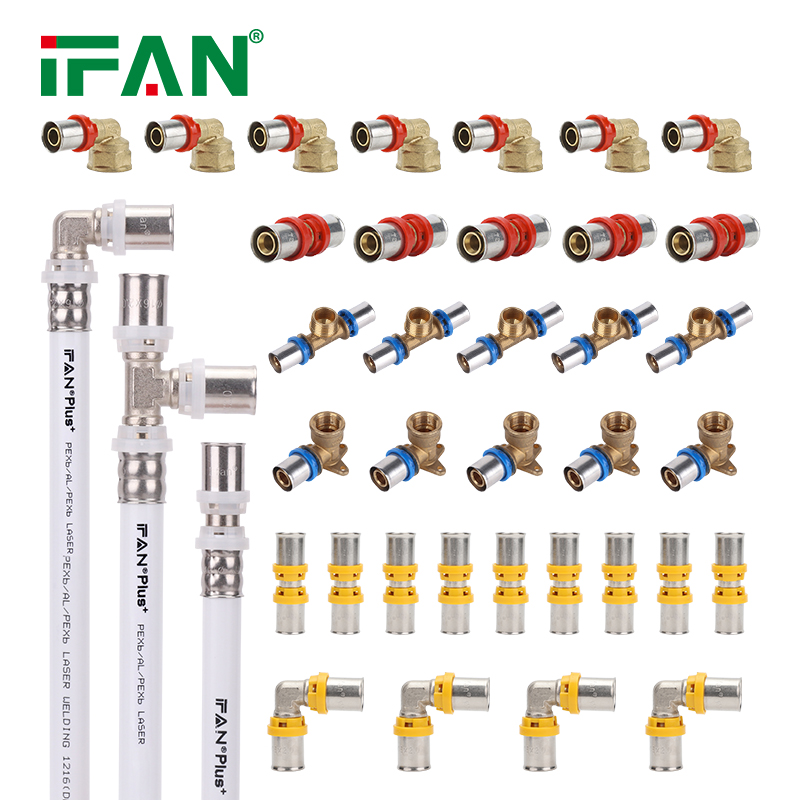
Selecting the correct PEX pipe and PEX press fittings is crucial to the success of your installation. Choose high-quality PEX press fittings designed specifically for radiant heating applications, as these are built to withstand the higher pressures and temperatures typically found in such systems.
- PEX Pipe: Use PEX-a, PEX-b, or PEX-c, depending on the specific needs of the installation. PEX-a is the most flexible, making it ideal for radiant heating systems that require curved or intricate designs.
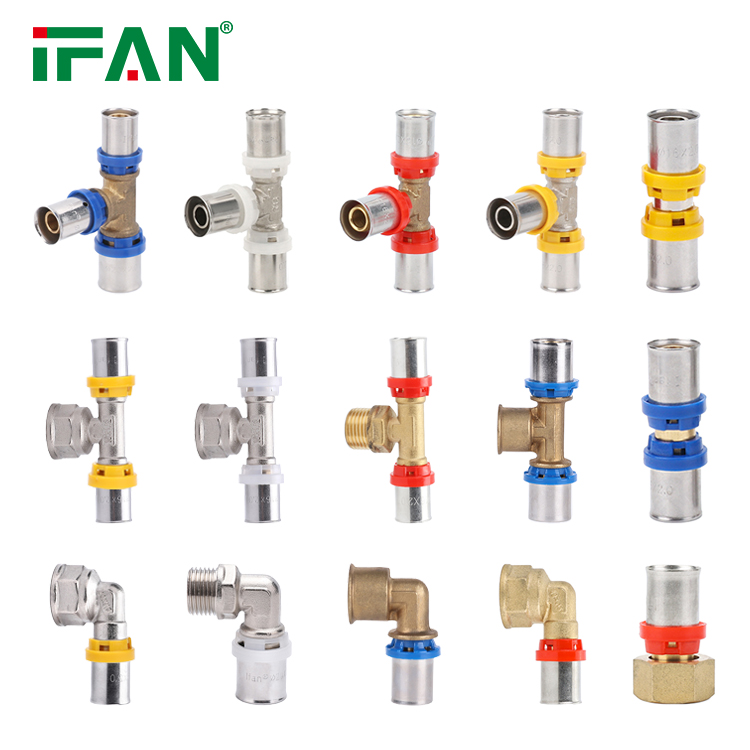
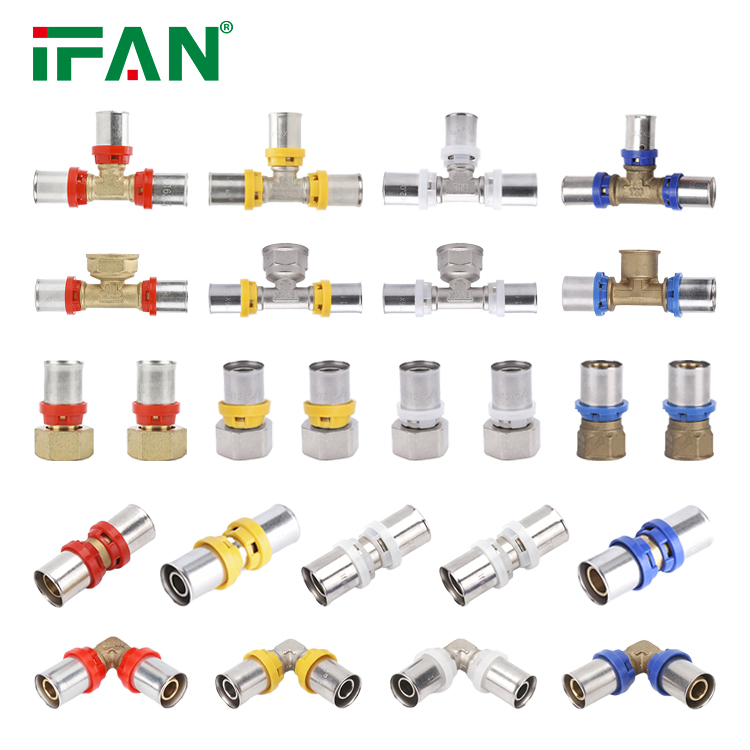
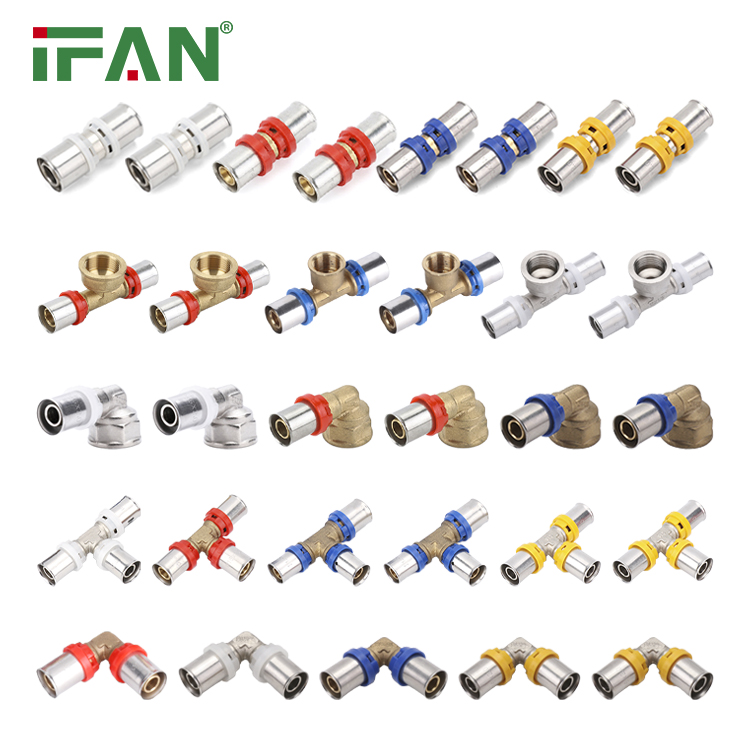
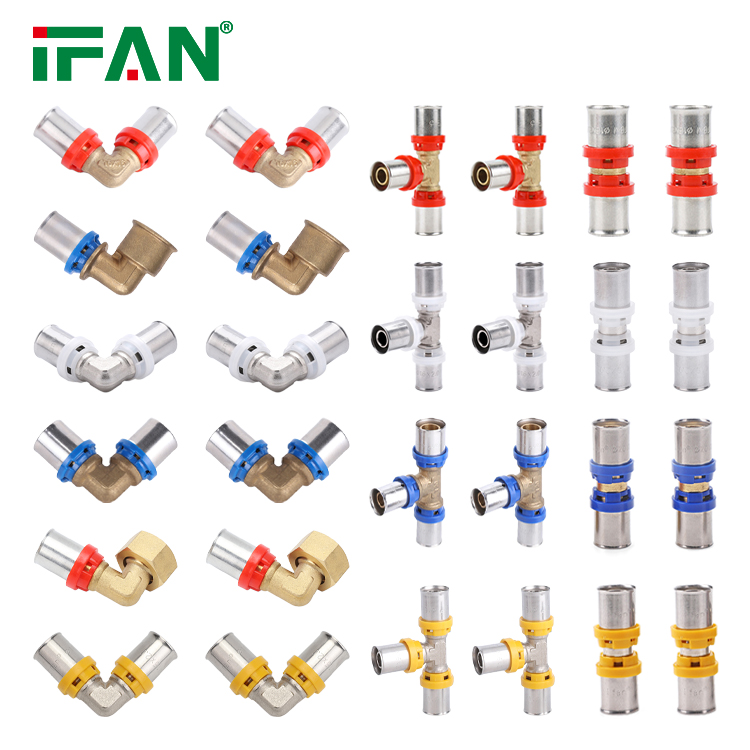
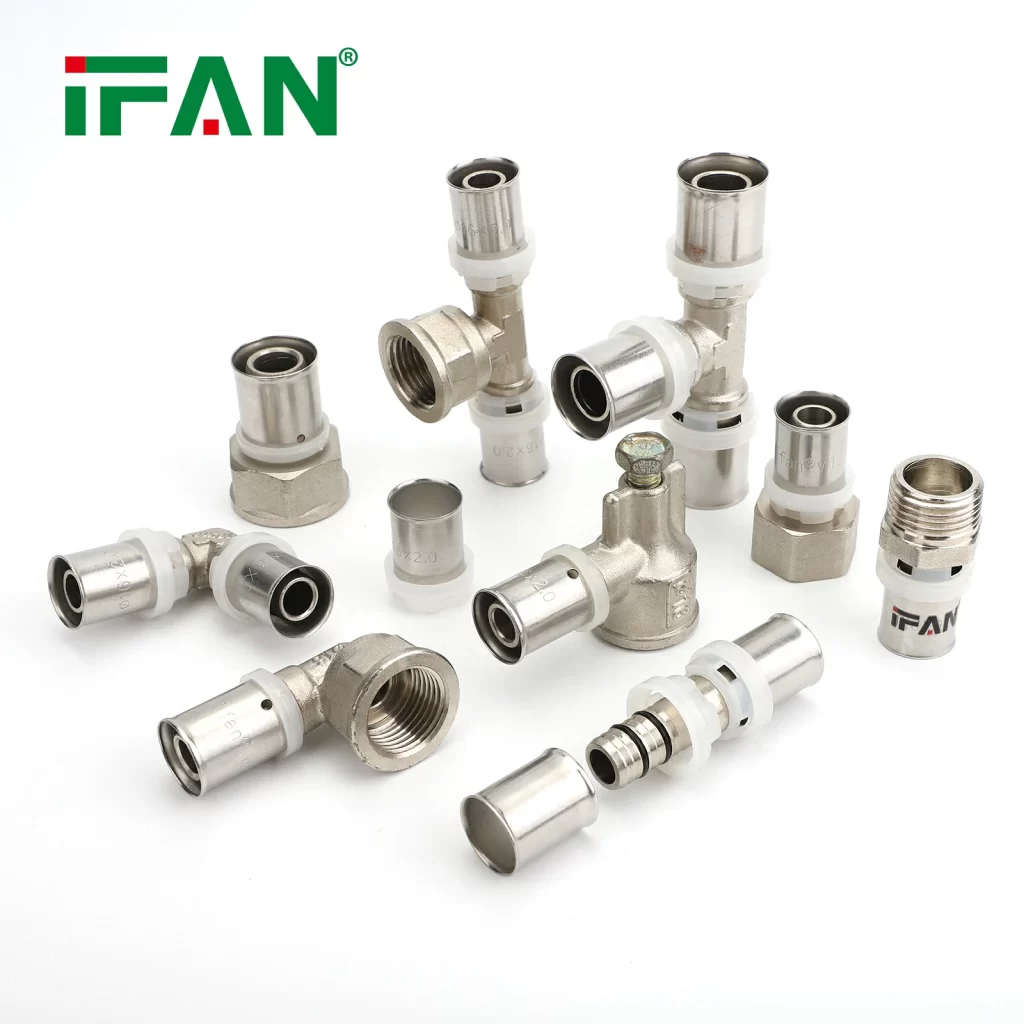
- PEX Press Fittings: Opt for PEX press fittings that offer secure, permanent connections without the need for crimping or clamps. The press mechanism ensures a tight, leak-free seal every time.
Step 3: Proper Installation of PEX Pipes
Once the design and materials are selected, it’s time to begin installing the PEX pipes. The PIM Method emphasizes a few key points during the installation process:
- Secure the PEX Pipe: Use clips or staples to secure the PEX pipe to the floor or subfloor. Ensure that the pipe is spaced evenly and that there is no movement once it is secured.
- Avoid Kinks: Kinks in the PEX pipe can cause flow restrictions or weak points in the system, leading to possible future leaks. Be cautious when bending the pipe, and use a bending tool if necessary.
- Continuous Loop: Ideally, PEX pipes should be laid out in a continuous loop to minimize the need for additional connections, which can be potential points of failure.
Step 4: Connecting the PEX Pipe with Press Fittings
The next step is connecting the PEX pipe to the system using PEX press fittings. This step is crucial to ensuring a secure, leak-proof connection.
- Press Tool: Use a PEX press tool to securely press the fitting onto the pipe. The PEX press tool ensures that the fitting is applied with consistent pressure, creating a tight, leak-free seal every time.
- Test the Connection: After pressing the fitting, visually inspect the connection to ensure that it is properly secured. The press fitting should be flush against the pipe, with no visible gaps or bulges.
Step 5: Pressure Testing
Once the system is fully installed, conduct a pressure test to ensure the entire system is leak-free. This step is crucial to identifying any potential issues before the system is put into use. Pressure testing involves filling the system with water and pressurizing it to a level higher than the normal operating pressure.
- Check for Leaks: After pressurizing the system, inspect all connections and pipes for leaks. If any leaks are found, isolate the affected area and fix the issue before proceeding.
- System Flush: Once the system passes the pressure test, flush the system to remove any debris or air pockets that could affect the performance of the radiant heating system.
Step 6: System Activation
After the pressure test is completed successfully, the radiant heating system is ready for activation. Turn on the system and monitor its performance, ensuring that the entire floor is evenly heated.
- Temperature Calibration: Set the system to the desired temperature and verify that heat is being evenly distributed across the entire area.
- Monitor Performance: For the first few days, monitor the system to ensure that it is functioning correctly and efficiently.
The Benefits of Using the PIM Method for Radiant Heating
The PIM Method offers several advantages over traditional installation techniques. Here’s why professionals recommend following this method for PEX pipe radiant heating systems:
1. Enhanced Leak Prevention
By using PEX press fittings, the PIM Method minimizes the risk of leaks during the installation process. The secure, consistent connection created by the press tool ensures long-term reliability and durability.
2. Faster Installations
The method eliminates the need for complicated soldering, crimping, or expansion techniques. This streamlined approach reduces labor time and installation costs, making it a cost-effective solution for homeowners and contractors alike.
3. Long-Term Performance
By using high-quality materials and ensuring proper installation, the PIM Method helps to extend the lifespan of the radiant heating system. The system’s durability and performance will be reliable for many years, reducing the need for costly repairs or replacements.
4. Energy Efficiency
A well-installed radiant heating system can significantly reduce energy costs. PEX piping is a highly efficient material that minimizes heat loss and ensures consistent temperature distribution across the floor, improving overall system efficiency.
Frequently Asked Questions (FAQs)
1. What is the PIM Method?
The PIM Method (PEX Integrated Method) is a professional installation technique designed to optimize radiant heating systems using PEX pipe and PEX press fittings. It emphasizes precision, efficiency, and leak prevention to ensure reliable, long-lasting performance.
2. Why is PEX pipe ideal for radiant heating?
PEX pipe is flexible, durable, resistant to corrosion, and can withstand high temperatures, making it perfect for radiant heating systems. It’s easy to install and ensures leak-free performance when paired with PEX press fittings.
3. Can the PIM Method be used for both residential and commercial radiant heating systems?
Yes, the PIM Method can be used for both residential and commercial radiant heating systems. It’s an efficient and reliable installation technique that works for any size installation.
4. How long does it take to install a radiant heating system using the PIM Method?
The installation time will depend on the size and complexity of the system. However, because the PIM Method streamlines the installation process, it typically takes less time compared