In the world of plumbing, the choice between PEX pipe and copper is often a topic of debate. Homeowners, contractors, and builders frequently weigh the benefits and drawbacks of each material, especially regarding sustainability and environmental impact. As the pressure mounts to adopt greener practices, understanding the sustainability aspects of PEX pipe versus copper is essential. This article delves into the various factors that define sustainability in plumbing choices to determine which pipe material is more eco-friendly.
Understanding PEX Pipe and Copper
What is PEX Pipe?
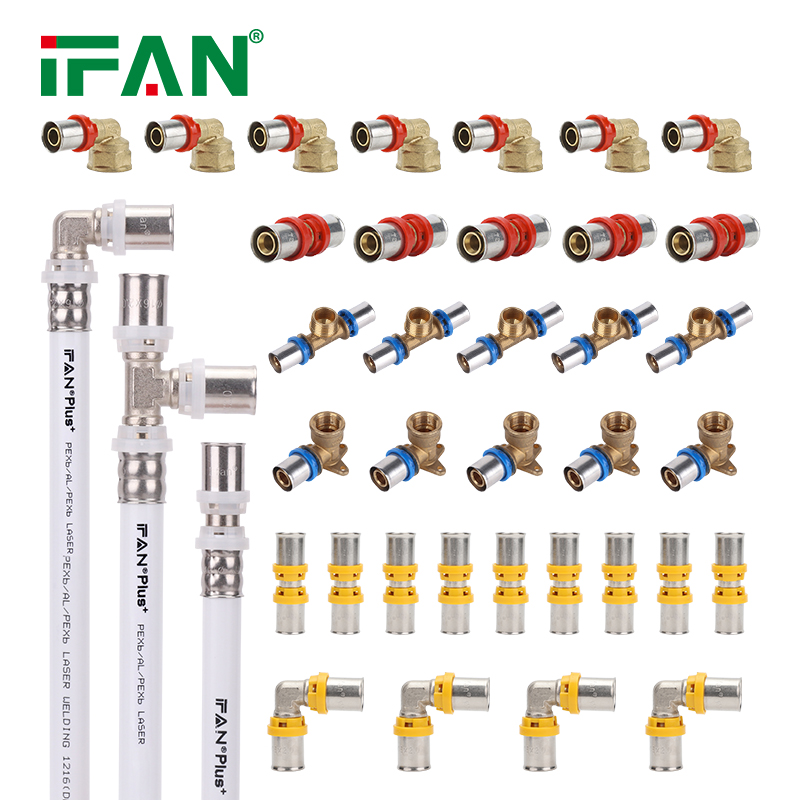
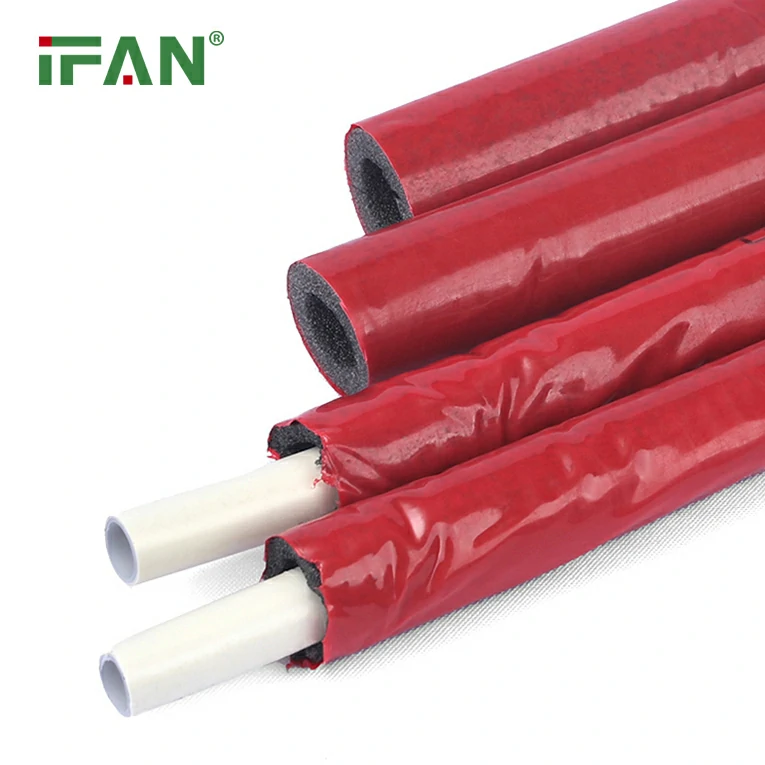
PEX, or cross-linked polyethylene, is a flexible plastic piping material used for water supply lines in homes and buildings. Its popularity has surged over the years due to its numerous advantages, including resistance to scale and chlorine, flexibility, and ease of installation.
What is Copper?
Copper piping has been a traditional choice for plumbing for decades. Renowned for its durability and resistance to corrosion, copper is a metal often favored for its longevity. However, as with any material, it comes with its own set of environmental concerns.
Factors Defining Sustainability
To determine the sustainability of PEX pipe versus copper, we must consider several critical factors:
- Raw Material Extraction
- Manufacturing Processes
- Longevity and Durability
- End-of-Life Recycling and Disposal
- Energy Efficiency
Let’s break these factors down to see how each material stacks up.
1. Raw Material Extraction
PEX Pipe
PEX is made from petroleum-derived plastic, which poses concerns regarding fossil fuel dependency and the associated environmental impacts. However, advancements are being made in the production of bio-based PEX, which uses renewable resources and reduces reliance on fossil fuels.
Copper
Copper mining involves significant environmental disruption. The process includes stripping the land, using massive amounts of water, and generating waste byproducts that can harm ecosystems. Moreover, the extraction process contributes to carbon emissions, which have implications for climate change.
Conclusion: While both materials face challenges in raw material sourcing, copper has a more pronounced negative impact due to mining practices.
2. Manufacturing Processes
PEX Pipe
The manufacturing process for PEX pipe is relatively energy-efficient compared to copper. It requires less energy to produce and does not emit significant greenhouse gases during manufacturing. Additionally, the process allows for a range of applications, minimizing waste.
Copper
The production of copper pipe is energy-intensive, resulting in higher levels of greenhouse gas emissions. The extraction, processing, and refining of copper create considerable environmental concerns, including habitat destruction and pollution.
Conclusion: PEX pipe is more environmentally friendly during manufacturing due to its lower energy consumption and emissions.
3. Longevity and Durability
PEX Pipe
PEX pipes are durable and resistant to corrosion, but they can be affected by UV light and extreme temperatures. In environments where these conditions are prevalent, PEX may need to be replaced sooner than copper. However, its flexibility offers advantages in installation, often leading to less wear during shifting and settling structures.
Copper
Copper pipes are highly durable and can last over 50 years when installed correctly. They do not suffer from corrosion as long as the water chemistry is balanced. Copper’s lifespan and durability mean fewer replacements and less waste over time.
Conclusion: Copper pipes typically offer a longer lifespan, which is crucial for sustainability since it reduces the frequency of replacements.
4. End-of-Life Recycling and Disposal
PEX Pipe
The recycling of PEX materials is currently limited. While 100% recycling is not fully established, initiatives are forming to recycle PEX pipes at the end of their lifecycle. However, as of now, PEX generally ends up in landfills, which is not ideal from a sustainability perspective.
Copper
Copper is one of the most recyclable materials in the world. It can be recycled multiple times without losing quality, which makes end-of-life disposal much more sustainable. This feature contributes significantly to copper’s overall environmental footprint.
Conclusion: Copper outshines PEX in terms of end-of-life recycling, as it can be effectively repurposed, reducing the need for new resource extraction.
5. Energy Efficiency
PEX Pipe
PEX piping has excellent insulation properties, which help to maintain water temperature and reduce energy consumption in heating applications. As a result, using PEX can lead to lower energy bills and reduced greenhouse gas emissions, making it an eco-friendlier option in energy consumption.
Copper
While copper conducts heat well, which can lead to heat loss in hot water systems, properly insulated copper pipes can mitigate this issue. However, insulation typically adds to the overall costs and energy investment in the system.
Conclusion: PEX pipe offers superior energy efficiency benefits, contributing to reduced energy consumption in plumbing systems.
Summary: Sustainability Comparison
PEX Pipe
- Raw Material Extraction: Increased focus on bio-based alternatives.
- Manufacturing: More energy-efficient and lower emissions.
- Longevity: Generally durable, but UV and temperature sensitivity may affect lifespan.
- Recycling: Limited recycling capabilities.
- Energy Efficiency: Excellent insulation properties.
Copper
- Raw Material Extraction: Significant impact due to mining practices.
- Manufacturing: Energy-intensive with high emissions.
- Longevity: Very durable with a long lifespan.
- Recycling: Highly recyclable with established processes.
- Energy Efficiency: Requires additional insulation to minimize energy loss.
Conclusion
When considering sustainability between PEX pipe and copper, both materials have distinct advantages and drawbacks. While copper pipes are more durable and highly recyclable, PEX pipes excel in energy efficiency and lower manufacturing impacts. However, the environmental concerns associated with copper mining and the limitations in PEX recycling should not be overlooked.
Ultimately, the choice between PEX and copper may depend on specific project requirements, budget constraints, and environmental priorities. For those prioritizing sustainability, investing in high-quality materials and good installation practices will make a significant difference in the long-term environmental impact, whether choosing PEX pipe or copper.
FAQs
1. What is PEX pipe?
PEX pipe is a type of flexible plastic piping commonly used for plumbing and heating systems, known for its durability and resistance to corrosion.
2. Is PEX pipe more environmentally friendly than copper?
PEX pipe has advantages in energy efficiency and a lower manufacturing impact. However, copper is more durable and recyclable, making both materials viable depending on the sustainability criteria you prioritize.
3. Can PEX pipes be recycled?
Currently, PEX recycling is limited, but initiatives are being developed to improve recycling options for PEX materials.
4. How long does PEX pipe last compared to copper?
PEX can last 20-30 years if installed properly but may require replacement sooner in adverse conditions. Copper pipes can last over 50 years.
5. Why is copper considered sustainable despite the mining impact?
Copper is highly recyclable, which significantly reduces its long-term environmental impact, as it can be reused without loss of quality.