Introduction
In the modern plumbing industry, the choice of materials plays a crucial role in the durability, efficiency, and sustainability of water distribution systems. Polypropylene Random Copolymer (PPR) fittings, combined with high-quality sanitary materials, are becoming the go-to solution for both residential and commercial plumbing projects. This combination ensures leak-proof performance, resistance to corrosion, and long-term reliability, making them ideal for water distribution, drainage, and sanitation systems. In this article, we will discuss how PPR fittings and sanitary materials work together to enhance plumbing systems, their advantages, and why they are considered the future of plumbing installations.
What Are PPR Fittings and Why Are They Important?
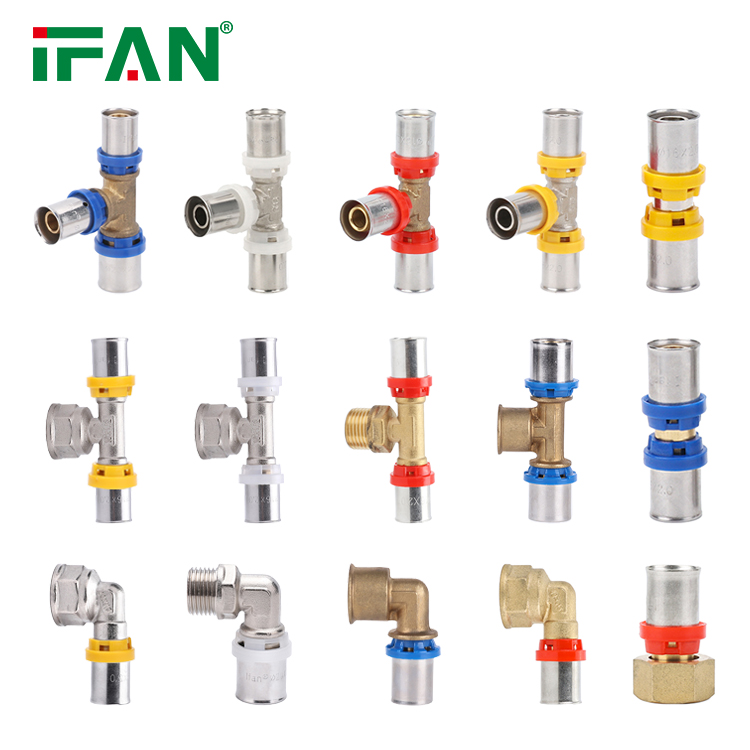
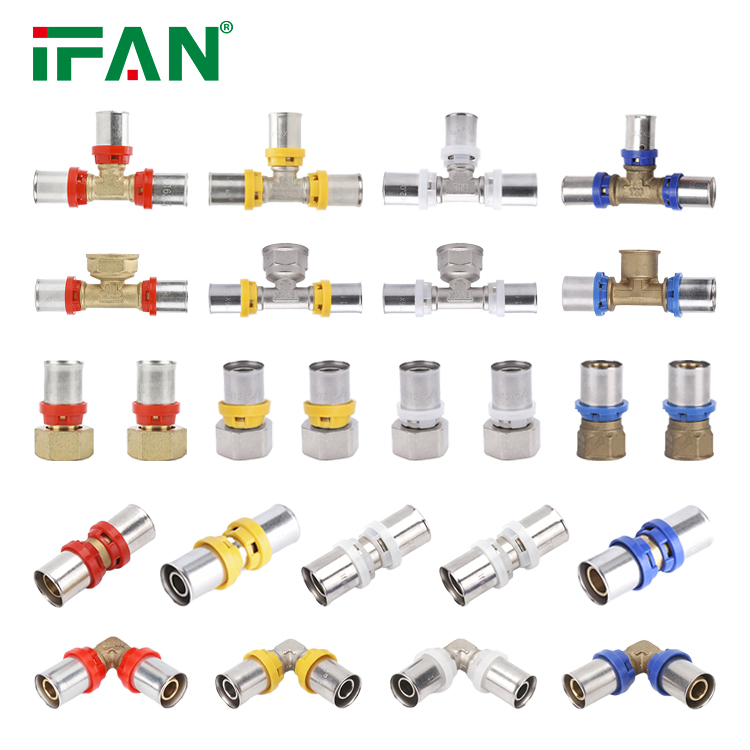
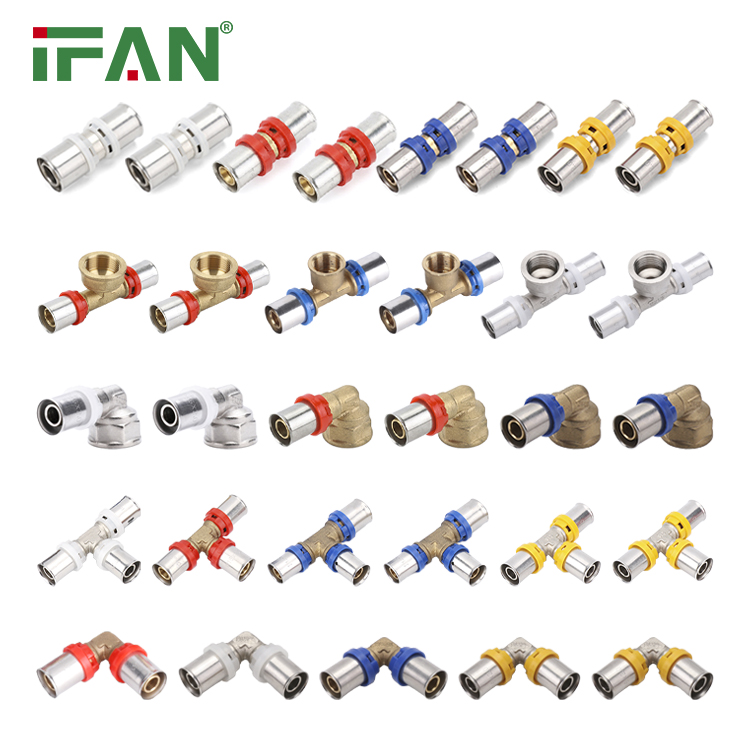
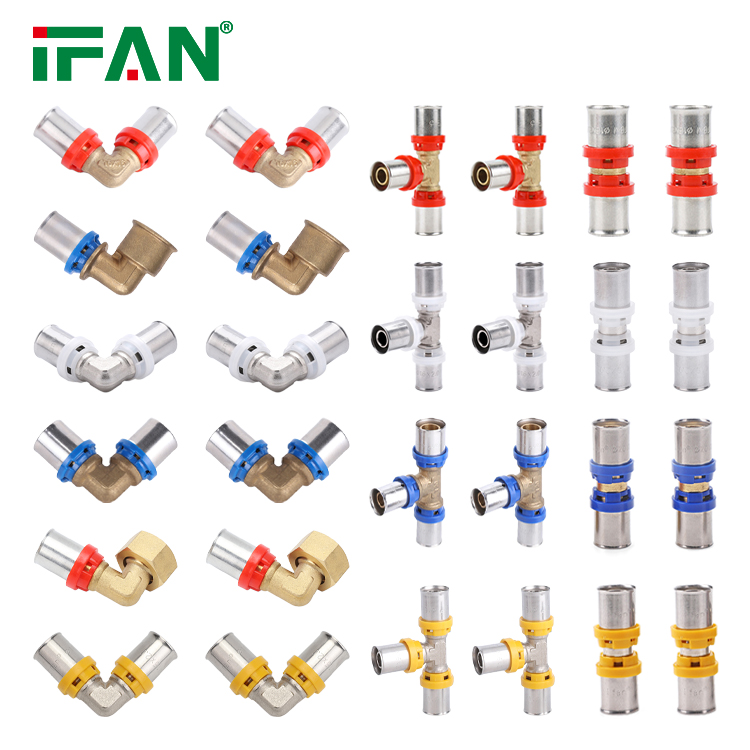
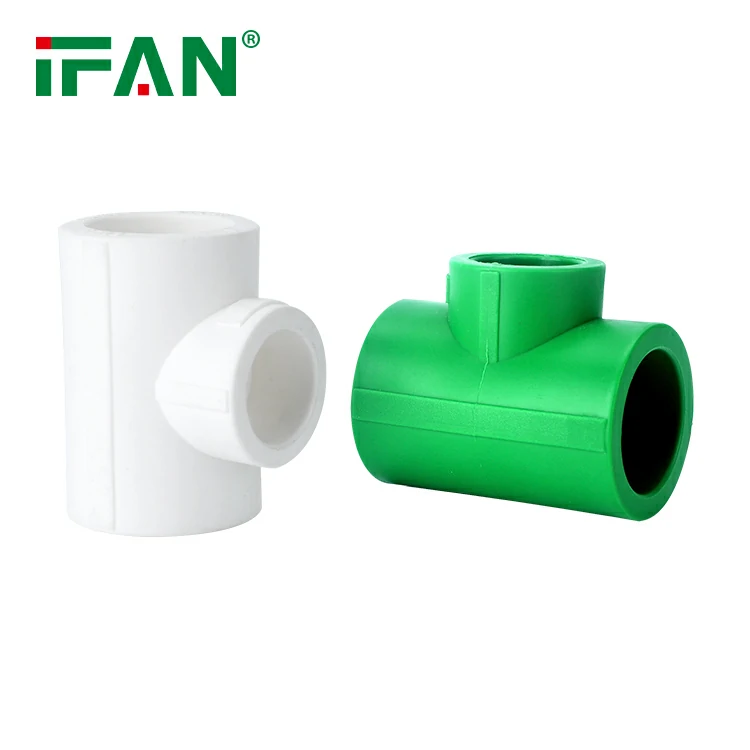
Polypropylene Random Copolymer (PPR) fittings are advanced plumbing components made from a high-quality plastic polymer known for its superior durability, resistance to corrosion, and ability to withstand high temperatures and pressures. These fittings are typically used to connect pipes and other plumbing components, ensuring a seamless, leak-proof connection.
PPR fittings are essential in modern plumbing systems due to several factors:
- Durability: PPR fittings have an exceptional lifespan, often lasting 50 years or more.
- Corrosion Resistance: Unlike metal piping, PPR does not corrode, making it ideal for transporting water without the risk of pipe degradation.
- Cost-Effectiveness: PPR fittings are less expensive compared to traditional materials like copper or steel, both in terms of initial cost and long-term maintenance.
- Eco-Friendly: PPR is a recyclable material, contributing to environmentally responsible construction practices.
Given these advantages, PPR fittings are becoming a popular choice for plumbing systems in both new constructions and renovations.
The Role of Sanitary Materials in Plumbing Systems
Sanitary materials refer to products that are used for waste disposal, drainage, and the hygienic distribution of water. These materials include a wide range of components, from bathroom fixtures like toilets and sinks to drainage pipes and waste water systems. High-quality sanitary materials ensure that water and waste are safely transported away from living spaces, maintaining hygiene and preventing contamination.
Sanitary materials are designed to be durable, corrosion-resistant, and able to withstand harsh environmental conditions. They must also meet specific standards to ensure that they are safe for both residential and commercial use. In plumbing systems, sanitary materials often work in conjunction with other components, such as PPR fittings, to form a comprehensive solution for water management.
How PPR Fittings and Sanitary Materials Work Together
When integrated into a plumbing system, PPR fittings and sanitary materials complement each other to create a durable, efficient, and safe water distribution and waste management system. Here’s how they work together:
1. Leak-Proof Connections
One of the primary functions of PPR fittings is to provide leak-proof connections between pipes and other plumbing components. Whether connecting PPR pipes to sanitary fixtures or linking waste water systems to drainage, PPR fittings ensure a secure, tight seal that prevents leaks and water wastage. This is essential for sanitary materials, where leaks in waste systems can lead to contamination, water damage, and hygiene concerns.
2. Durability and Longevity
Both PPR fittings and sanitary materials are designed to withstand the rigors of daily use. PPR fittings have a long lifespan, often exceeding 50 years, and are highly resistant to wear, pressure, and temperature fluctuations. Similarly, sanitary materials such as ceramic bathroom fixtures and high-quality drainage pipes are designed to last for decades without degradation. Together, these materials form a long-lasting plumbing system that requires minimal maintenance over time.
3. Resistance to Corrosion
Corrosion can be a significant issue for plumbing systems, especially in areas with hard water or chemicals that can degrade metal pipes. PPR fittings are highly resistant to corrosion, ensuring that water distribution remains uncontaminated by rust or scale buildup. This feature is crucial when used in conjunction with sanitary materials, as corrosion in drainage or waste pipes can lead to clogs, leaks, and a decrease in overall system efficiency.
4. Efficient Water and Waste Management
The combination of PPR fittings and sanitary materials contributes to a highly efficient water and waste management system. PPR fittings ensure that the water supply is continuous and leak-free, while sanitary materials handle the safe disposal of waste water. The efficient flow of both water and waste in modern plumbing systems is essential for maintaining hygiene and preventing the spread of diseases.
5. Environmental Impact
Both PPR fittings and sanitary materials are designed with sustainability in mind. PPR fittings are made from recyclable materials, which reduces their environmental footprint. In addition, the durability of both PPR and sanitary materials reduces the need for frequent replacements, leading to less waste. As more and more projects focus on sustainable building practices, the combination of PPR fittings and sanitary materials helps meet the global demand for eco-friendly construction solutions.
Why Choose PPR Fittings with Sanitary Materials?
The combination of PPR fittings and high-quality sanitary materials offers several key benefits, making them an attractive choice for modern plumbing installations:
1. Cost-Effectiveness
The affordability of PPR fittings, coupled with the long-term savings on maintenance and repairs, makes them a cost-effective solution for both residential and commercial plumbing projects. When paired with durable sanitary materials, the overall cost of the plumbing system remains low while ensuring optimal performance.
2. Ease of Installation
PPR fittings are known for their easy installation process. Unlike traditional metal piping, which requires soldering or welding, PPR fittings are connected using heat fusion, which is quick and simple. This reduces installation time and labor costs. The ease of installation extends to the integration of PPR fittings with sanitary materials, further simplifying the process of setting up efficient plumbing systems.
3. Health and Safety
By ensuring leak-proof connections and preventing contamination, the combination of PPR fittings and sanitary materials helps maintain high standards of hygiene and health. The efficient transportation of both water and waste ensures that harmful pathogens and bacteria are contained, contributing to the overall safety of the plumbing system.
4. Customization for Various Applications
PPR fittings are highly versatile and can be customized to suit a variety of applications. Whether it’s a residential plumbing system, commercial water distribution, or industrial waste management, PPR fittings can be adapted to work with different types of sanitary materials, providing flexible solutions for diverse plumbing needs.
Conclusion
The combination of PPR fittings and high-quality sanitary materials offers a powerful solution for modern plumbing systems. With their leak-proof connections, durability, resistance to corrosion, and environmental benefits, these materials work together to create safe, efficient, and long-lasting plumbing installations. As the demand for reliable and sustainable plumbing solutions grows, PPR fittings paired with sanitary materials will continue to play a pivotal role in shaping the future of plumbing systems.
Frequently Asked Questions (FAQ)
1. What are PPR fittings?
PPR fittings are plumbing components made from Polypropylene Random Copolymer, a durable, corrosion-resistant material used to connect pipes in water supply systems.
2. What makes PPR fittings a better choice than metal fittings?
PPR fittings are more durable, resistant to corrosion, and require less maintenance compared to traditional metal fittings. They also provide a longer lifespan and are more cost-effective.
3. How do PPR fittings work with sanitary materials?
PPR fittings are used to securely connect water pipes with sanitary materials like drains, toilets, and sinks, ensuring leak-proof and efficient water and waste management.
4. Are PPR fittings environmentally friendly?
Yes, PPR fittings are made from recyclable materials, contributing to more sustainable plumbing practices and reducing environmental impact.
5. How long do PPR fittings last?
PPR fittings have a lifespan of up to 50 years or more, depending on the installation conditions and maintenance practices. Their resistance to corrosion and wear ensures long-term performance.