Introduction
In the arid and challenging environment of the Sahel region, disease control remains a logistical and infrastructural challenge—especially for livestock. Peste des Petits Ruminants (PPR) is a highly contagious viral disease affecting goats and sheep, with devastating economic and food security consequences. In Mauritania, PPR remains endemic, threatening pastoral livelihoods and regional animal trade.
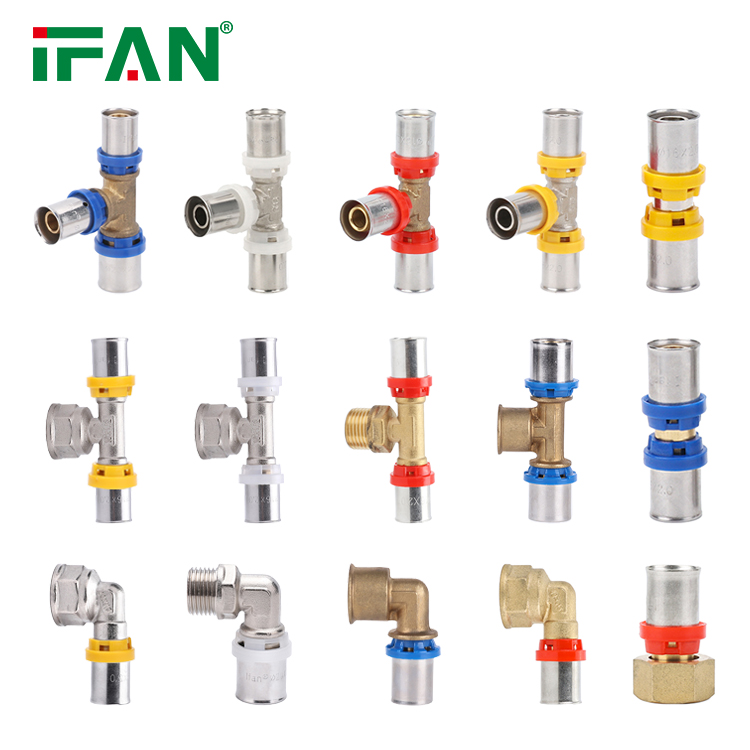
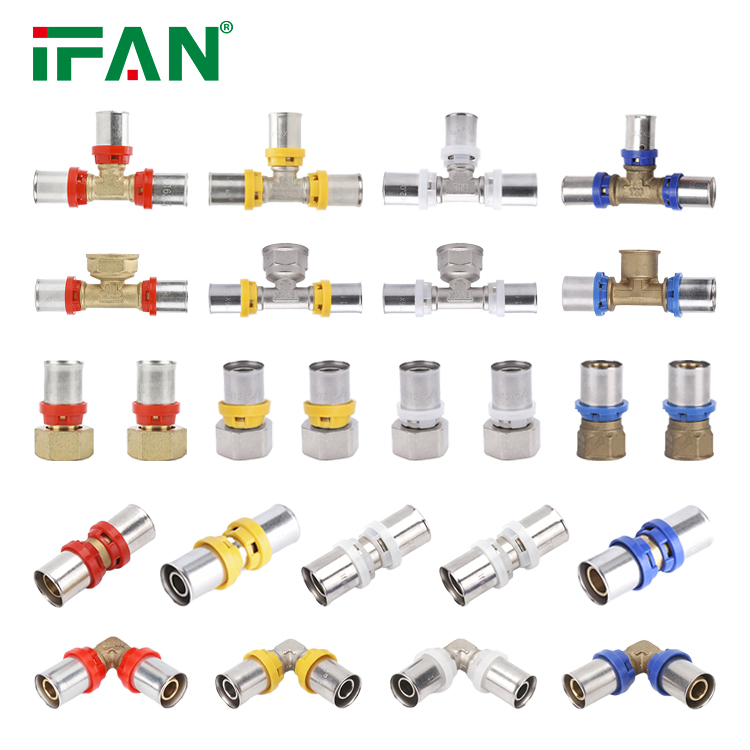
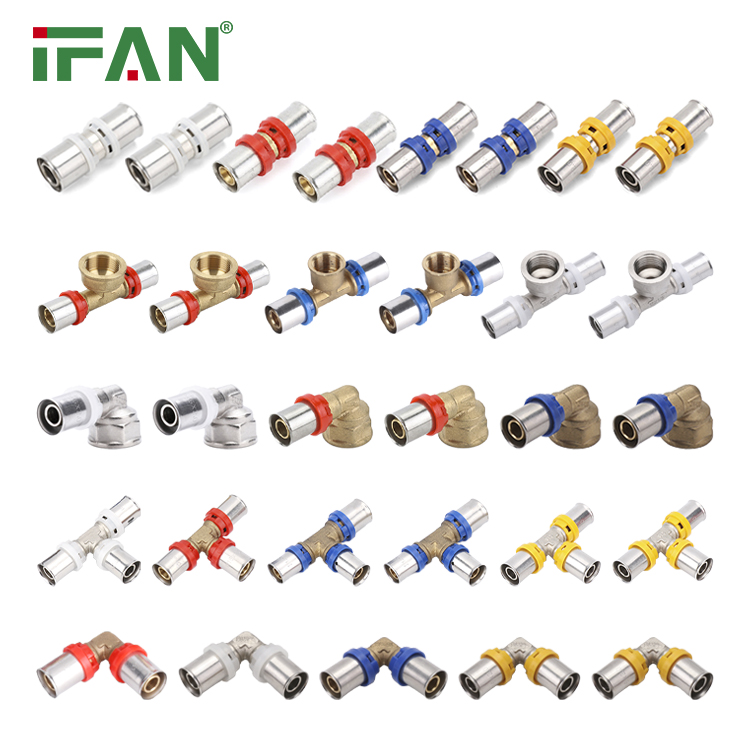
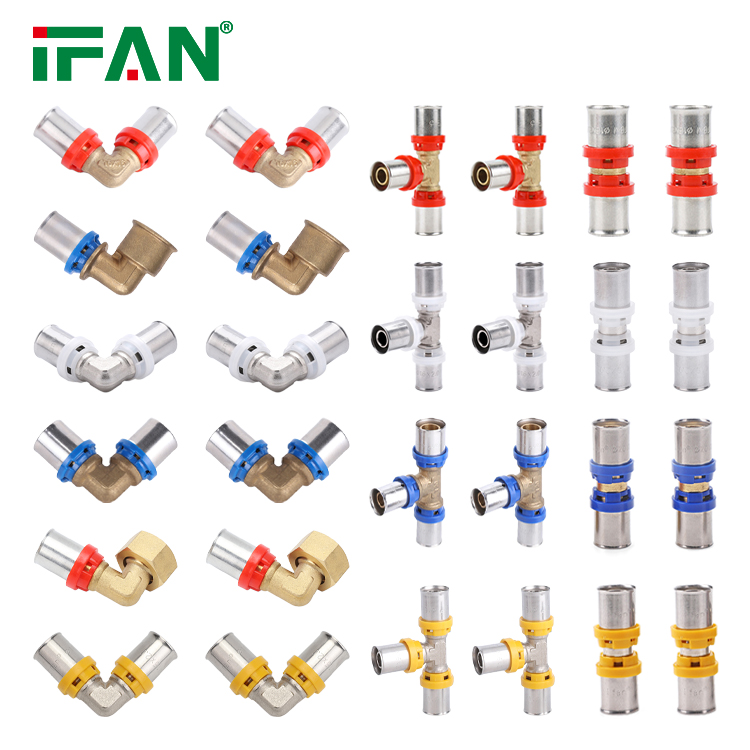
While much focus has been placed on vaccination coverage and veterinary outreach, an often-overlooked aspect is the physical infrastructure supporting these programs. Here’s where ppr fittings come into the spotlight—not as disease terminology, but as crucial components in sanitary water systems, mobile cold chains, and field-level logistics used during vaccination campaigns.
This article examines how PPR control strategies in Mauritania can benefit not only from improved policy frameworks and vaccine availability but also from a robust infrastructure backbone supported by modern ppr fittings.
What Is PPR?
Peste des Petits Ruminants (PPR) is a viral disease affecting small ruminants, caused by a morbillivirus. It spreads rapidly through respiratory secretions and direct contact, leading to:
- High fever
- Mouth sores
- Diarrhea
- Pneumonia
- Death (in 70–90% of infected animals in severe outbreaks)
It poses a significant economic threat to countries like Mauritania where a large portion of the population depends on livestock for income and subsistence.
Understanding ppr fittings in Context
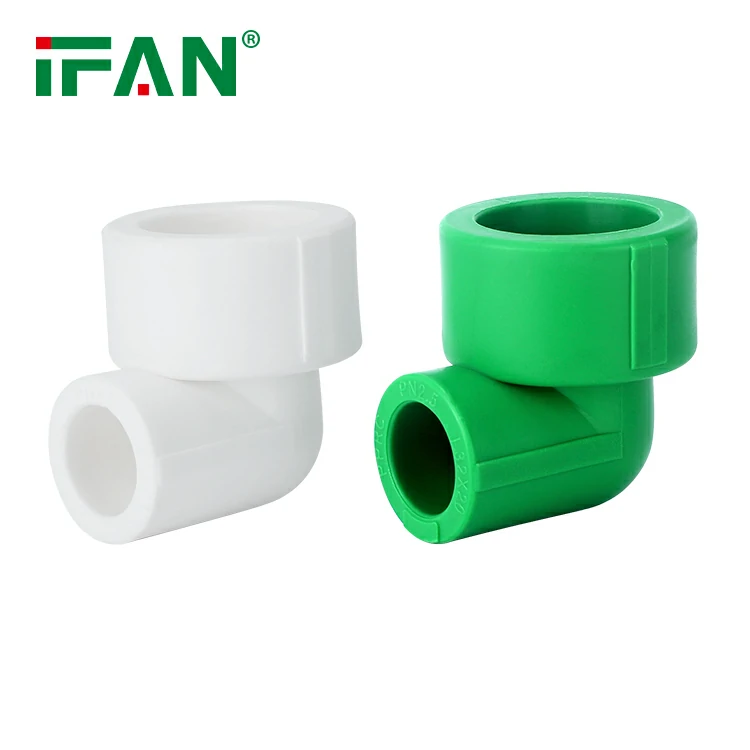
In this article, we use the term ppr fittings in its industrial context—Polypropylene Random Copolymer fittings—used for piping systems in both urban and rural settings. In disease control strategies, especially in hot and remote climates like the Sahel, ppr fittings serve a vital yet overlooked function:
- Water supply for livestock and sanitation
- Mobile vaccination units requiring safe water access
- Cold chain systems to preserve vaccines during transport
- Temporary veterinary stations requiring modular plumbing systems
High-quality ppr fittings ensure leak-proof, heat-resistant, and sanitary water systems that can endure harsh Sahelian conditions—ensuring vaccines and livestock welfare efforts are not undermined by infrastructure failure.
Vaccination Strategy for Mauritania: Key Components
1. Mass Vaccination Campaigns
The World Organisation for Animal Health (WOAH) has urged countries in the Sahel to adopt mass vaccination campaigns aiming for 80% coverage. For Mauritania, this means mobilizing thousands of doses across remote regions.
Here, mobile vaccination units equipped with water containers, washing systems, and cooling units often rely on ppr piping systems for durability and ease of setup.
2. Cold Chain Logistics
Vaccines must remain refrigerated from production to injection. Cold chain systems mounted on 4×4 vehicles or donkeys in off-road regions need plumbing components that are:
- Heat-resistant (due to external temperatures exceeding 45°C)
- Shock-resistant (due to bumpy travel routes)
- Lightweight (for portability)
ppr fittings meet all these criteria, ensuring that vaccine delivery is not compromised due to equipment malfunction.
3. Community Engagement & Infrastructure
Water access is critical not only for livestock but also for vaccination team hygiene and sterilization. Borehole pumps and mobile water tanks often use ppr fittings due to their:
- Long life cycle
- Resistance to corrosion from sandy, mineral-rich water
- Ease of replacement in the field
Challenges in a Sahelian Setting
Mauritania faces several logistical and environmental constraints:
- Sparse population density in rural zones
- Extreme climate conditions requiring specialized materials
- Limited veterinary infrastructure
- Nomadic livestock patterns, making consistent vaccination difficult
In this setting, durable and mobile solutions are essential. Portable plumbing systems built with ppr fittings allow for field installations that can support temporary animal holding stations, vaccine distribution hubs, and hygiene facilities.
Policy Recommendations
- Integrate Infrastructure into Vaccination Planning
Include water system logistics, plumbing supplies, and cold chain architecture in PPR eradication budgets. - Train Local Technicians
Empower communities to install and maintain ppr-based systems in remote areas, reducing dependence on external teams. - Leverage Multi-sectoral Collaboration
Bring together animal health, water sanitation, and logistics ministries to coordinate effective, infrastructure-supported vaccination drives. - Deploy Smart Inventory Systems
Track use of ppr fittings and other materials for maintenance and planning purposes using GPS and digital tools.
Final Thoughts
The control of PPR in Mauritania is more than a medical challenge—it’s a logistical one. And in the harsh, mobile context of the Sahel, success depends not just on policy or vaccine availability, but also on infrastructure. High-quality ppr fittings, though small in size, play an outsized role in ensuring the delivery of clean water, maintenance of hygiene, and cold chain stability—all of which are essential for successful vaccination campaigns.
By combining modern materials with traditional outreach, Mauritania can take major strides toward eradicating PPR and securing the livelihoods of its pastoral communities.
Frequently Asked Questions (FAQs)
1. What is the difference between PPR (disease) and ppr fittings?
PPR (Peste des Petits Ruminants) is a viral disease affecting small livestock. ppr fittings are plumbing components made from polypropylene used in water and pipe systems, which are essential for sanitation and infrastructure.
2. How do ppr fittings support vaccination efforts in rural Mauritania?
They are used in mobile water systems, sanitation stations, and cold chain containers to ensure vaccine storage and hygiene in harsh environments.
3. Are ppr fittings sustainable for long-term use in the Sahel?
Yes, ppr fittings are durable, corrosion-resistant, and designed to last over 50 years, making them ideal for long-term field use in challenging climates.
4. Why is infrastructure important in PPR vaccination campaigns?
Without reliable water supply and vaccine preservation systems, vaccination campaigns may fail due to hygiene issues or spoiled vaccines.
5. Can local communities manage ppr-based systems themselves?
With minimal training, local technicians can install and maintain ppr fittings, making them ideal for decentralized rural deployment.