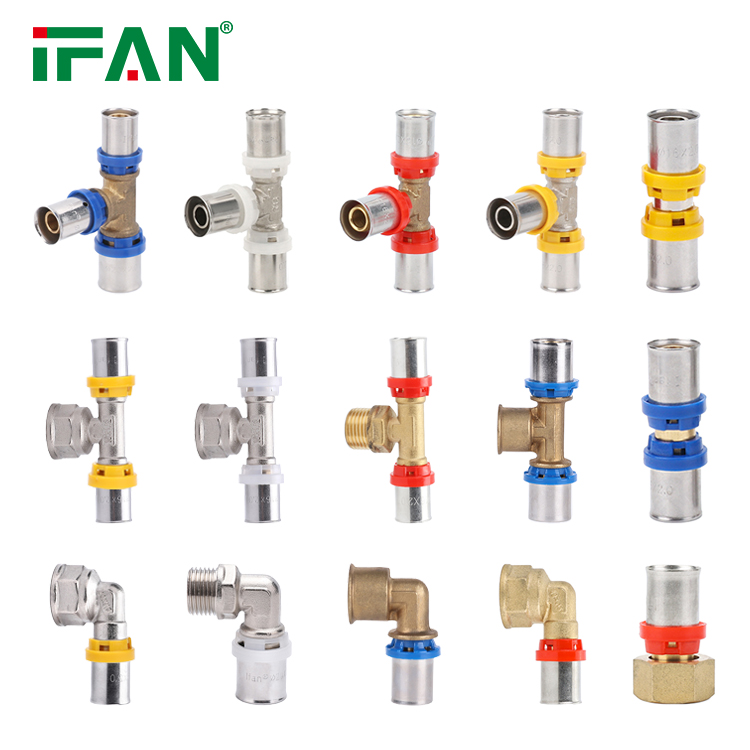
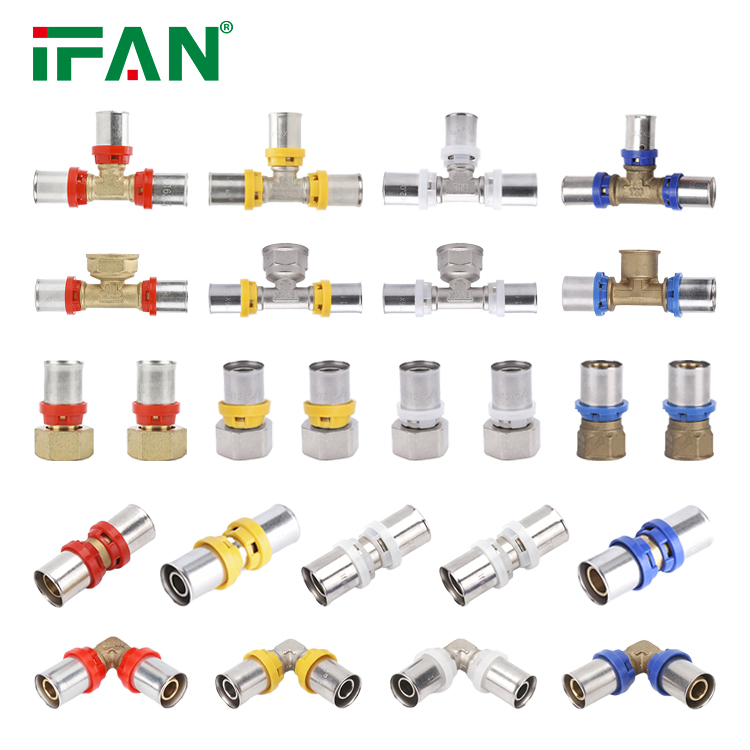
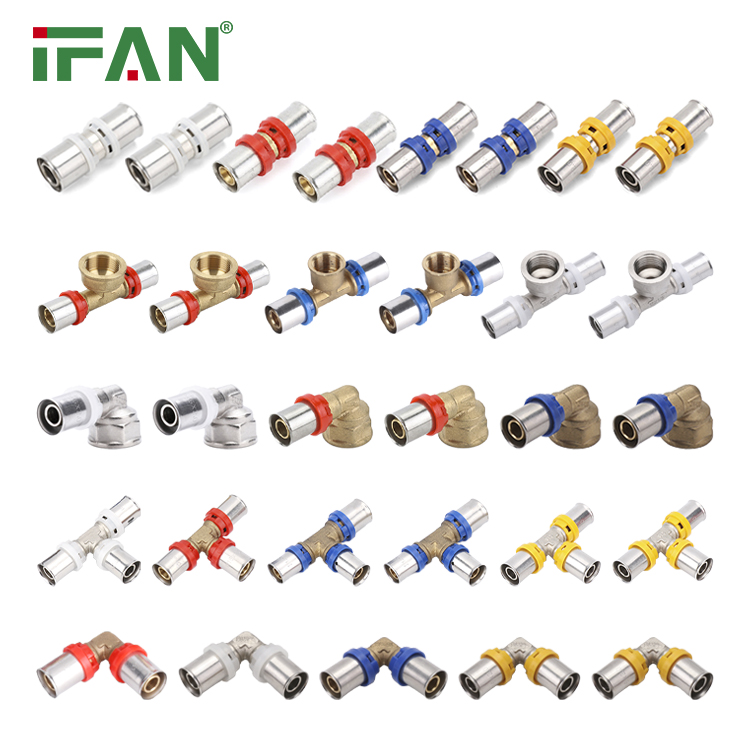
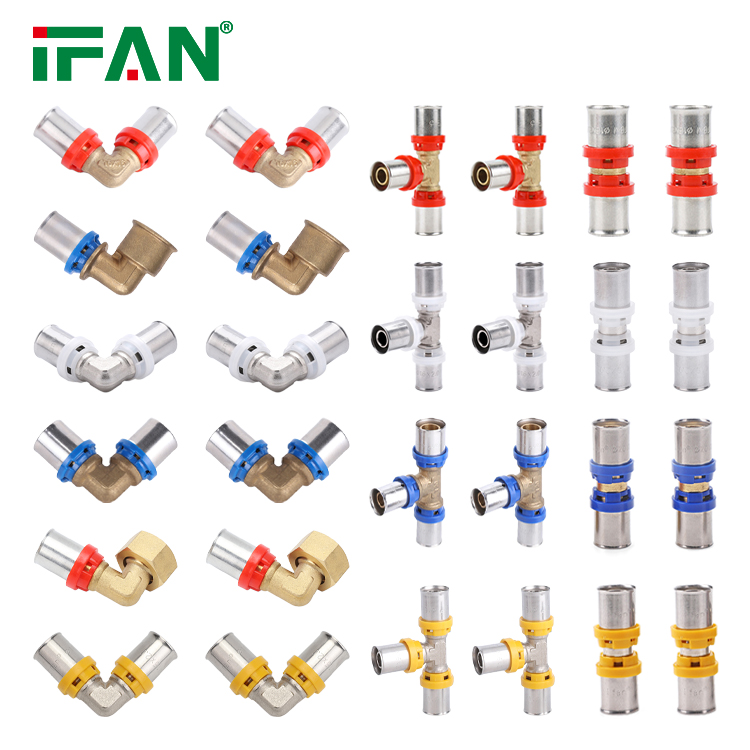
The global plumbing and heating industry is set to converge as the premier PPR fittings trade show kicks off on September 25. This annual event serves as the central nervous system for manufacturers, suppliers, distributors, engineers, and contractors specializing in polypropylene random copolymer (PPR) piping systems. More than just an exhibition, it’s a dynamic platform where the future of water supply, heating, and industrial fluid transport is shaped. For anyone involved in specifying, installing, or distributing PPR fittings, this event is an unmissable opportunity to witness cutting-edge innovations, forge strategic partnerships, and stay ahead of market trends.
The commencement of the trade show on September 25 marks a critical point in the industry’s calendar. It is where relationships are solidified, and business goals for the coming year are set into motion. This article will guide you through what to expect, why it matters, and how to maximize your experience at this essential gathering for the PPR fittings community.
Why PPR Fittings are the Star of the Show
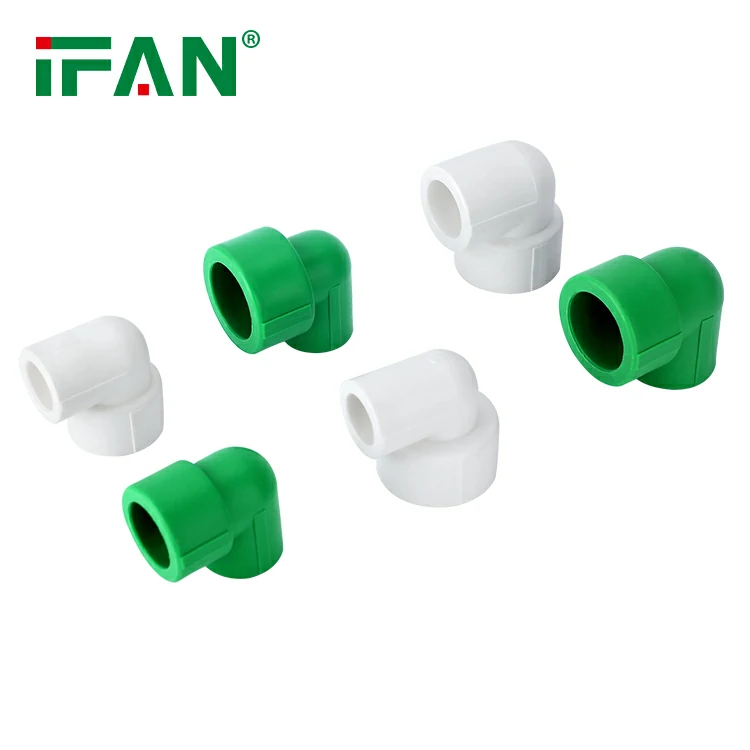
Before diving into the event specifics, it’s crucial to understand why PPR fittings command such attention. PPR pipes and fittings have revolutionized modern plumbing due to their exceptional properties:
- Corrosion Resistance: Unlike metal pipes, PPR fittings are immune to rust and scale buildup, ensuring consistent water quality and flow over decades.
- Longevity: With a service life of over 50 years under normal conditions, PPR systems offer a permanent solution.
- Heat Resistance: They can withstand high temperatures, making them ideal for both hot and cold-water systems, as well as radiant floor heating.
- Eco-Friendly: PPR is a recyclable material, and the fusion welding process creates a seamless, leak-proof system without chemical solvents, promoting a healthier environment.
- Cost-Effectiveness: The combination of long life, minimal maintenance, and easy installation makes PPR fittings a highly economical choice.
The trade show is dedicated to showcasing the continuous improvement of these already superior products.
What to Expect at the PPR Fitting Trade Show
The event, starting September 25, is designed to be a comprehensive experience. Here’s a breakdown of what you can explore:
1. Exhibition Hall: A Showcase of Innovation
The heart of the event is the vast exhibition space. Hundreds of booths from leading international manufacturers will display their latest products. You can expect to see:
- New Fitting Designs: Innovative shapes and compact designs that save space and simplify installation in complex layouts.
- Advanced Manufacturing Techniques: Learn about improvements in raw material quality and production processes that enhance the pressure rating and durability of PPR fittings.
- Smart Integration: Discover PPR fittings with integrated sensors for monitoring water pressure, temperature, and flow, contributing to the smart building ecosystem.
- Specialized Applications: See products designed for specific niches, such as industrial chemical transport, compressed air systems, and district heating networks.
2. Live Demonstration Zones
Theory is good, but practice is better. Live demonstration areas will allow visitors to see:
- Fusion Welding in Action: Experts will demonstrate proper heating, connecting, and cooling techniques using modern welding machines. This is a invaluable learning opportunity for installers to refine their skills and avoid common errors.
- Pressure and Stress Tests: Witness firsthand the incredible strength and reliability of PPR fittings under extreme pressure and temperature conditions.
3. Technical Seminars and Conference Sessions
Beyond the show floor, a concurrent conference will feature industry leaders, engineers, and researchers. Key topics will likely include:
- Global Market Trends and Forecasts: Understand the economic forces driving the adoption of PPR fittings worldwide.
- Updates to International Standards: Stay compliant by learning about the latest changes in ISO, ASTM, and other national standards governing PPR systems.
- Sustainability and Circular Economy: Discussions on recycling programs and the development of bio-based PPR materials.
- Case Studies: Real-world examples of large-scale projects (hospitals, hotels, residential complexes) that successfully utilized PPR fittings.
How to Prepare for the Trade Show (Starting Sept 25)
To make the most of your visit, planning is essential.
- Set Clear Objectives: Are you looking for a new supplier? Wanting to learn about new technology? Needing to source a specific product? Define your goals.
- Review the Exhibitor List: Identify the manufacturers of PPR fittings you want to visit and plan your route.
- Schedule Meetings in Advance: Use the event app or website to book meetings with key contacts beforehand. This ensures you get dedicated time with decision-makers.
- Prepare Questions: Come with a list of technical or commercial questions for the exhibitors. This shows professionalism and helps you gather precise information.
- Pack Essentials: Bring plenty of business cards, a notebook, a charged phone, and comfortable shoes.
Conclusion: Don’t Miss the Starting Date
The PPR fittings trade show beginning on September 25 is more than an event; it’s an investment in your professional future. It offers a unparalleled concentration of knowledge, products, and people dedicated to advancing the PPR industry. Whether you are a seasoned veteran or new to the field, the insights and connections gained will be invaluable. Mark your calendar, prepare for an immersive experience, and get ready to explore the world of PPR fittings in one dynamic location.
Frequently Asked Questions (FAQ)
1. What are the main advantages of PPR fittings over traditional metal pipes?
PPR fittings offer superior corrosion resistance, leading to a longer lifespan (50+ years), better water quality, and lower maintenance. They are also lighter, easier to install via heat fusion (creating a monolithic, leak-free joint), and generally more cost-effective in the long run.
2. Is the heat fusion process for joining PPR fittings difficult to learn?
No, the process is relatively simple and can be mastered with basic training. It involves heating the pipe and fitting with a specific tool for a precise time and then joining them together. The trade show often has live training sessions which are perfect for learning proper technique.
3. Can PPR fittings be used for both hot and cold-water systems?
Yes, absolutely. This is one of their key advantages. High-quality PPR fittings can continuously withstand hot water temperatures up to 70°C (158°F) and for short periods, even higher, making them ideal for entire domestic plumbing and heating systems.
4. Are PPR fittings environmentally friendly?
Yes. The fusion welding process requires no chemical solvents or glues, eliminating indoor air pollution during installation. PPR is also a recyclable material, and many manufacturers are investing in take-back and recycling programs to promote a circular economy.
5. How do I choose a reliable PPR fittings manufacturer?
Look for manufacturers that comply with international standards (like ISO 15874), have a proven track record, and provide full technical support and warranties. Attending the trade show is an excellent way to evaluate multiple manufacturers side-by-side, ask detailed questions, and assess the quality of their products firsthand.