Introduction
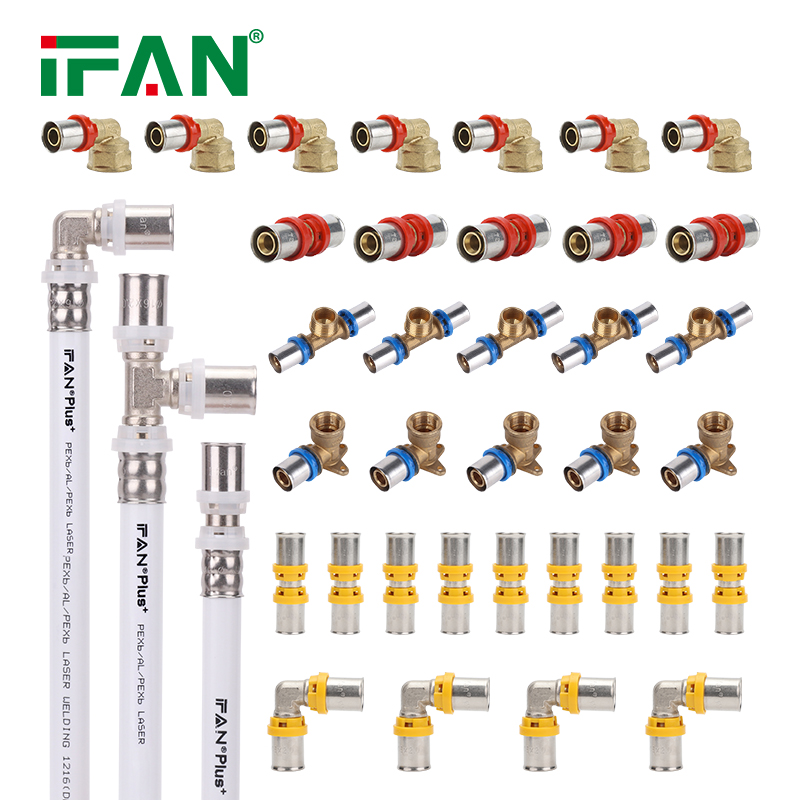
Modern plumbing systems demand reliability, durability, and safety—especially when dealing with cold and hot water supply. One of the most effective combinations in contemporary piping systems is the use of PPR fittings with brass pipe fittings. This hybrid solution offers the flexibility of thermoplastics and the strength of metal, delivering unmatched performance in both residential and commercial water systems.
This article explores the structure, benefits, and applications of using PPR fitting alongside brass fittings, particularly for hot and cold water feeding. Whether you’re a contractor, plumber, or construction project manager, this guide will help you understand why this combination is growing in popularity worldwide.
What Is PPR Fitting?
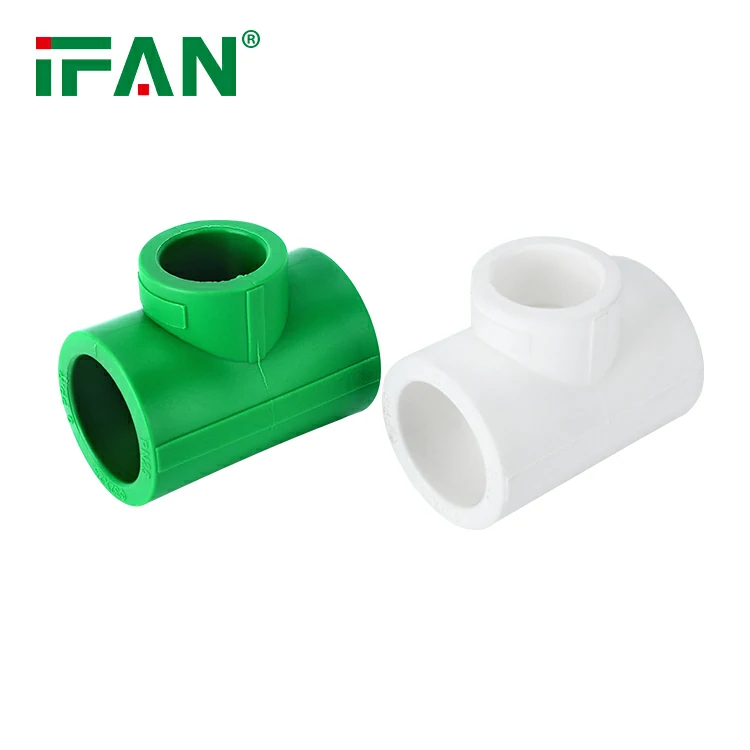
PPR fittings are made from Polypropylene Random Copolymer—a thermoplastic material known for its resistance to high temperature and pressure. They are typically used in water supply systems, HVAC installations, and industrial piping due to their excellent thermal and chemical stability.
Common types include:
- Elbows
- Tees
- Couplers
- Reducers
- Flanges
- Union joints
PPR pipes and fittings are joined using heat fusion, which creates a leak-proof, seamless bond.
Why Combine PPR Fitting with Brass Pipe Fitting?
1. Enhanced Durability
Brass fittings, especially in threaded or transitional sections, offer greater mechanical strength. Combining them with PPR enhances structural integrity in critical areas such as valve connections, faucet points, and pressure regulators.
2. Thermal Stability
PPR material tolerates temperatures up to 95°C, while brass adds metallic reinforcement where heat fluctuation and pressure are more extreme.
3. Corrosion Resistance
Both PPR and brass are known for their corrosion resistance, particularly against scale, rust, and chemical deposits—ideal for water feeding systems.
4. Secure Transitions
When switching from plastic pipelines to metallic components (e.g., pumps or tanks), brass fittings provide reliable threading that plastic alone cannot offer.
5. Aesthetic and Professional Finish
Brass fittings often offer a more professional and aesthetic appearance, especially in exposed plumbing configurations.
Ideal Applications in Cold and Hot Water Feeding
Using PPR fittings with brass components is common in the following scenarios:
- Domestic water supply systems
- Apartment plumbing infrastructure
- Hotels and commercial buildings
- Heated floor systems
- Solar water heating units
- Pressurized pump networks
For cold water, PPR ensures insulation and resistance to condensation. For hot water, it prevents expansion, cracking, and deformation, especially when supported with brass at pressure joints.
How to Install PPR Fittings with Brass
- Cut and Prepare the PPR Pipe
Ensure clean, perpendicular cuts with no surface debris. - Heat Fusion for PPR Joints
Use a PPR fusion welding machine to melt and bond PPR fittings. - Use Brass Inserts for Transitions
In locations that connect to valves, faucets, or pumps, insert PPR fittings with brass female or male threads. - Apply Teflon Tape or Sealant
When using threaded brass joints, always apply tape to prevent leaks. - Test Under Pressure
Always run a pressure test before commissioning the system to ensure integrity.
Benefits Over Traditional All-Metal or PVC Systems
- Longer service life (over 50 years for PPR)
- No scaling or rust formation
- Lower installation cost and time
- No electrochemical corrosion
- Reduced noise and vibration in pipes
- Lower thermal conductivity reduces heat loss
Environmental and Health Advantages
PPR is non-toxic, BPA-free, and recyclable, making it suitable for potable water applications. Combining with lead-free brass fittings further enhances health and safety, especially in kitchen and drinking water installations.
Conclusion
When designing a plumbing system that needs to be both resilient and long-lasting, the combination of PPR fitting with brass pipe fitting provides an optimal solution for both hot and cold water feeding. This hybrid system merges the flexibility and chemical resistance of PPR with the mechanical strength of brass, resulting in a plumbing network that’s safe, reliable, and efficient.
Whether you’re upgrading a home water line or planning a large-scale construction project, this pairing delivers unmatched value—ensuring fewer failures and greater peace of mind.
Frequently Asked Questions (FAQ)
1. Can PPR fittings be used alone without brass fittings?
Yes, PPR fittings can function independently, but brass fittings are recommended for connecting to metal valves, faucets, or equipment to ensure a more secure connection.
2. Are PPR fittings safe for drinking water systems?
Absolutely. PPR is non-toxic, food-grade, and safe for potable water applications. It does not leach harmful chemicals into the water.
3. Do PPR and brass fittings work well under high pressure?
Yes. The combination is ideal for high-pressure systems, especially where pressure points are supported with brass connections.
4. How long does a PPR and brass piping system last?
With proper installation, these systems can last over 50 years, with minimal maintenance needed over time.
5. Are PPR fittings affected by UV light?
Yes, PPR can degrade under direct sunlight. It’s recommended to use UV-resistant insulation or install indoors to protect the system.