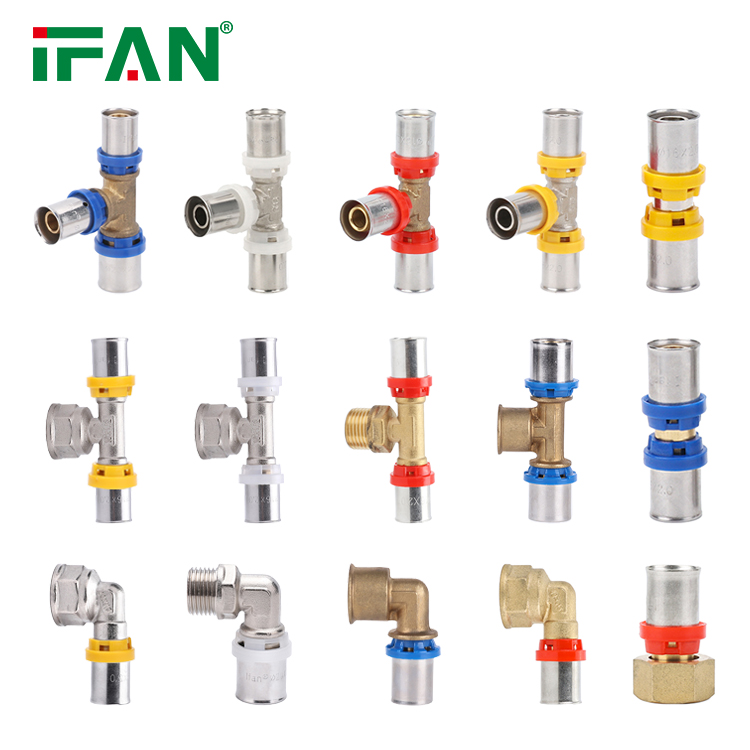
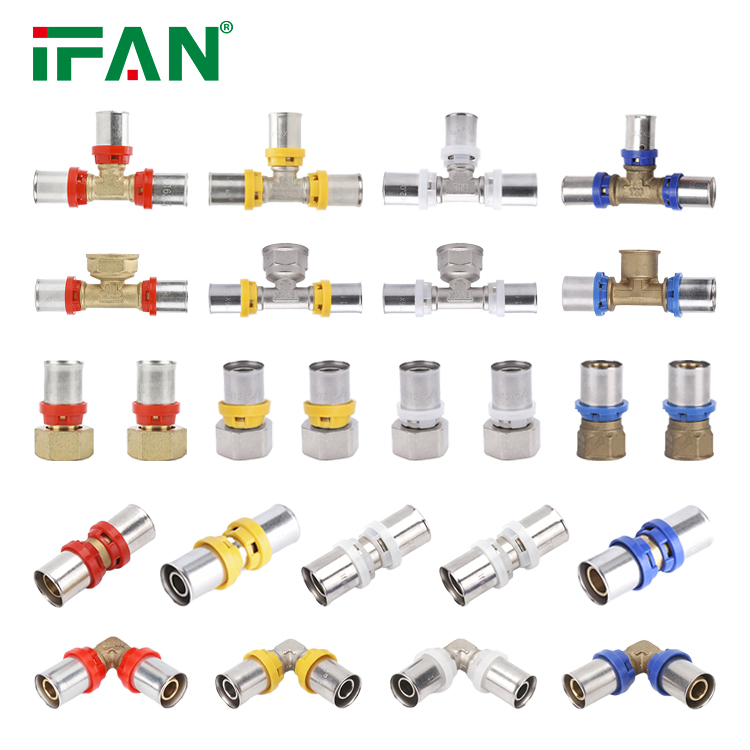
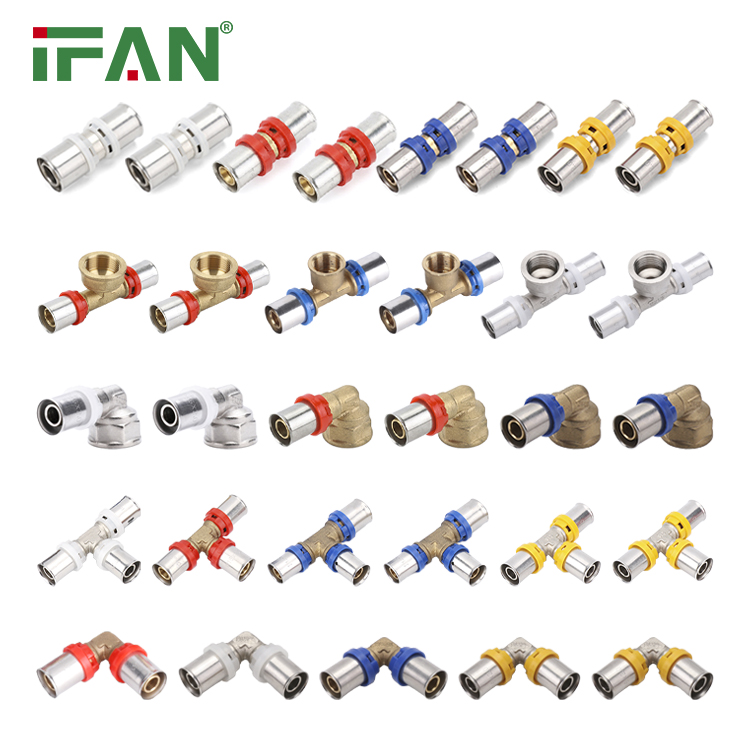
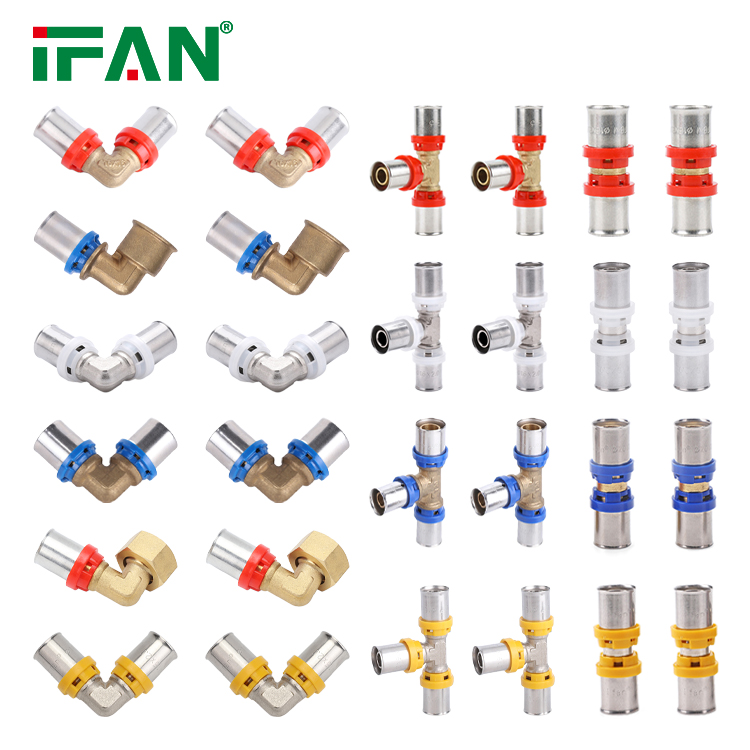
The PPR fittings market in India has been experiencing remarkable growth in recent years, driven by an increase in infrastructure development, rising demand for high-quality plumbing materials, and growing awareness of sustainable building practices. PPR (Polypropylene Random Copolymer) fittings are increasingly being used in plumbing systems for both residential and commercial applications due to their durability, cost-effectiveness, and environmental benefits. This article provides a strategic assessment of the PPR fittings market in India, focusing on key trends, drivers, challenges, and opportunities in the sector.
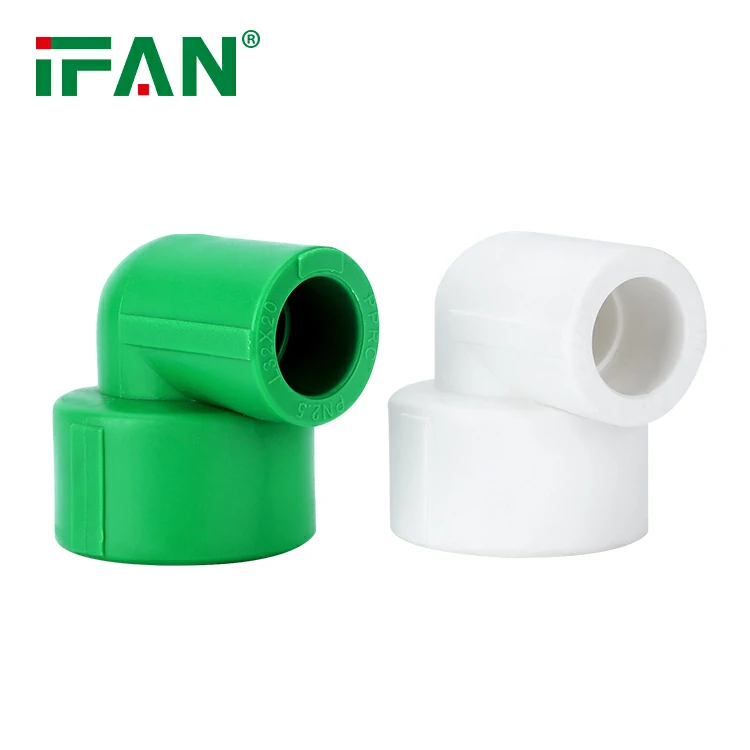
What Are PPR Fittings?
PPR fittings are plumbing components made from Polypropylene Random Copolymer, a thermoplastic polymer that offers exceptional resistance to chemicals, high temperatures, and pressure. These fittings are commonly used in water supply systems, hot and cold water applications, underfloor heating systems, and other critical plumbing applications. Due to their corrosion resistance, longevity, and low maintenance, PPR fittings have become the preferred choice for modern plumbing systems.
Market Overview
India’s growing population, rapid urbanization, and increasing demand for housing and infrastructure have significantly contributed to the expansion of the PPR fittings market. The rise of modern construction practices and the focus on building sustainable, energy-efficient homes and commercial spaces are pushing the demand for PPR fittings higher. According to industry reports, the PPR fittings market in India is expected to grow at a compound annual growth rate (CAGR) of approximately 8–10% over the next five years.
Key Drivers of Market Growth
- Rising Infrastructure Development
India is undergoing a massive infrastructure boom with new residential, commercial, and industrial developments. Government initiatives like Smart Cities Mission and Housing for All are fueling the demand for modern construction materials. PPR fittings are increasingly used in these new buildings due to their durability, low cost, and resistance to corrosion, making them an ideal choice for water supply systems and plumbing needs. - Increasing Awareness of Eco-Friendly Building Materials
With the growing emphasis on sustainability, PPR fittings have gained traction as an eco-friendly alternative to traditional plumbing materials such as copper or steel. PPR fittings are made from recyclable materials, which makes them a sustainable choice for construction projects that aim to meet green building standards. - Water Conservation and Efficient Plumbing
India is facing significant challenges related to water scarcity, particularly in urban areas. The need for efficient plumbing systems that can minimize water wastage and ensure long-lasting performance has increased the adoption of PPR fittings. Their leak-proof design, resistance to scale buildup, and ability to maintain water quality make them an ideal solution for both cold and hot water supply systems. - Technological Advancements in Plumbing Systems
The use of advanced technologies in plumbing design and installation has also contributed to the growth of the PPR fittings market. PPR fittings are easy to install and can be fused together using hot fusion welding, ensuring a leak-proof connection. This installation method has gained popularity in India due to its simplicity, cost-effectiveness, and ability to provide long-term durability without the need for sealing compounds.
Market Segmentation
The PPR fittings market in India can be segmented by product type, application, and region:
- By Product Type
- PPR Couplings: These fittings are used to connect two pipes of the same diameter and are among the most commonly used PPR fittings.
- PPR Elbows: PPR elbows are used to change the direction of the piping system and are crucial in plumbing installations.
- PPR Tees: These fittings allow for branching a pipe system into two directions and are often used in water supply lines.
- PPR Female & Male Connectors: These are used for joining pipes with male or female threaded connections.
- By Application
- Residential Plumbing: The demand for PPR fittings in residential plumbing systems is driven by the need for high-quality, durable materials that can withstand high temperatures and pressures.
- Commercial Plumbing: PPR fittings are increasingly being used in commercial buildings due to their reliability, low maintenance, and cost-effectiveness.
- Industrial Applications: Industries like chemical manufacturing and food processing are adopting PPR fittings due to their resistance to corrosive substances and ability to withstand high temperatures.
- By Region
The PPR fittings market in India is divided into major regions such as North India, South India, East India, and West India. The demand is highest in urban areas, particularly in cities like Delhi, Mumbai, Bengaluru, and Hyderabad, which are seeing rapid construction growth.
Challenges Facing the Market
While the PPR fittings market in India shows tremendous potential, there are several challenges that need to be addressed:
- High Initial Costs
Although PPR fittings offer long-term cost savings due to their durability, the initial cost of purchasing and installing these fittings can be higher compared to traditional plumbing materials. This can be a deterrent for price-sensitive customers. - Lack of Awareness in Rural Areas
While PPR fittings are becoming widely popular in urban centers, their adoption is still limited in rural areas where traditional materials like PVC and copper are more common. Educating the rural population about the benefits of PPR fittings and their long-term advantages could help boost market growth. - Competition from Other Materials
The PPR fittings market faces competition from other materials such as PVC, CPVC, and metal fittings. While PPR fittings offer superior resistance to corrosion, their higher initial costs may lead customers to choose cheaper alternatives.
Opportunities in the PPR Fittings Market
- Government Initiatives and Infrastructure Development
With significant government investments in infrastructure projects like Smart Cities and Swachh Bharat Abhiyan, the demand for efficient, sustainable plumbing solutions is expected to grow. PPR fittings will play a critical role in these developments due to their reliability and eco-friendly properties. - Technological Advancements
The continuous innovation in PPR fitting technology, such as improved fusion welding methods and new materials for enhanced durability, will open new opportunities in the market. Manufacturers who adopt these technologies will have a competitive edge. - Growth of the Green Building Sector
The increasing demand for green buildings presents an opportunity for the PPR fittings market. As more construction projects aim for sustainability certifications like LEED, PPR fittings will be a go-to choice for developers seeking to reduce their environmental impact.
Conclusion
The PPR fittings market in India is on the verge of significant growth, driven by the rise of infrastructure development, the need for water-efficient plumbing systems, and the increasing demand for sustainable materials. While challenges such as initial costs and competition from other materials remain, the market offers substantial opportunities, particularly in urban areas and government-driven projects. As awareness of PPR fittings continues to spread and technological advancements enhance product offerings, India’s PPR fittings market is poised for sustained growth in the coming years.
Frequently Asked Questions (FAQs)
- What are PPR fittings used for?
PPR fittings are primarily used in plumbing systems for water supply, both for cold and hot water applications. They are known for their durability, resistance to corrosion, and ability to withstand high temperatures and pressures. - Why are PPR fittings more expensive than PVC?
While PPR fittings can have a higher upfront cost compared to PVC fittings, they offer superior durability, resistance to corrosion, and a longer lifespan, making them a more cost-effective choice in the long run. - How long do PPR fittings last?
PPR fittings have an expected lifespan of 50 years or more, depending on installation quality and usage conditions. Their resistance to corrosion and high temperatures contributes to their longevity. - Can PPR fittings be used for gas systems?
PPR fittings are primarily designed for water supply systems. They are not recommended for gas systems due to the different pressure and material requirements for gas transportation. - Are PPR fittings eco-friendly?
Yes, PPR fittings are made from recyclable materials, making them an environmentally friendly option for modern plumbing systems. Their long lifespan also reduces the need for replacements, contributing to sustainability.