Introduction: The Rising Demand for Durable Plumbing Solutions
India’s construction and infrastructure sectors are experiencing exponential growth, driven by rapid urbanization, government housing schemes, and increasing demand for sustainable materials. One critical component of this expansion is the PPR fittings market—a segment that has shown steady growth over the last decade.
PPR fittings, or Polypropylene Random Copolymer fittings, are widely used in hot and cold water supply systems, industrial piping, and HVAC applications. Known for their durability, resistance to corrosion, and leak-proof performance, they are fast becoming the preferred choice over traditional materials like metal and PVC.
In this article, we provide a strategic assessment of the PPR fittings market in India, including key drivers, market trends, competitive landscape, and future outlook.
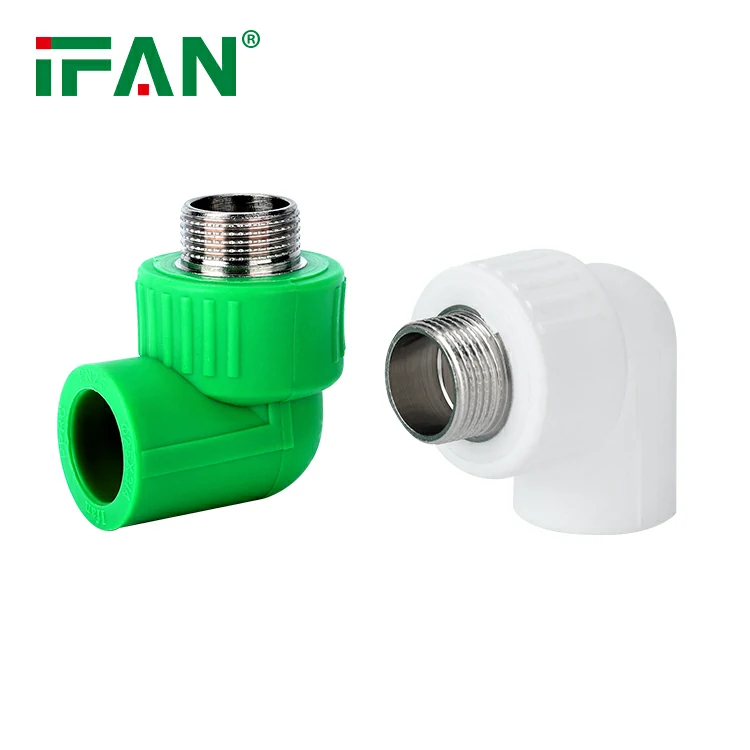
What Are PPR Fittings?
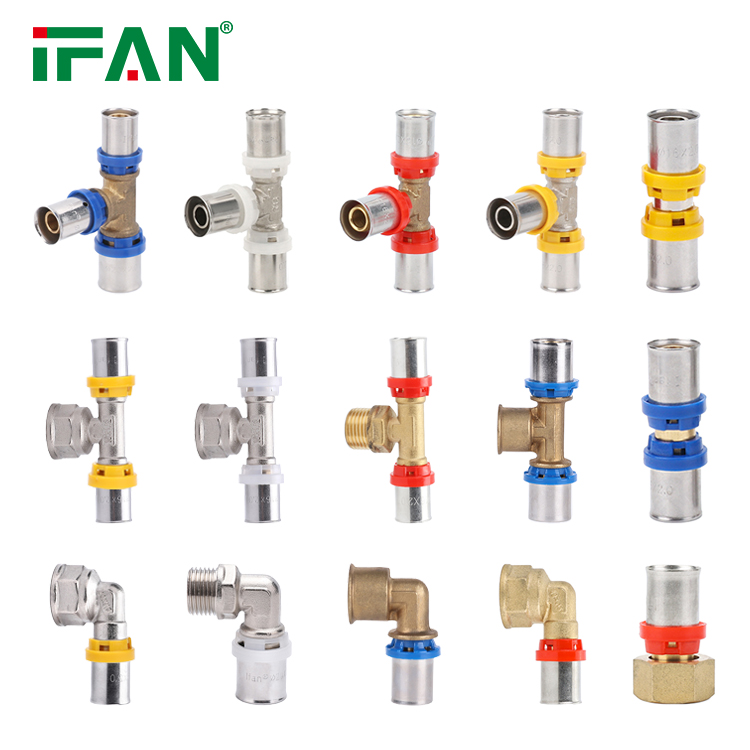
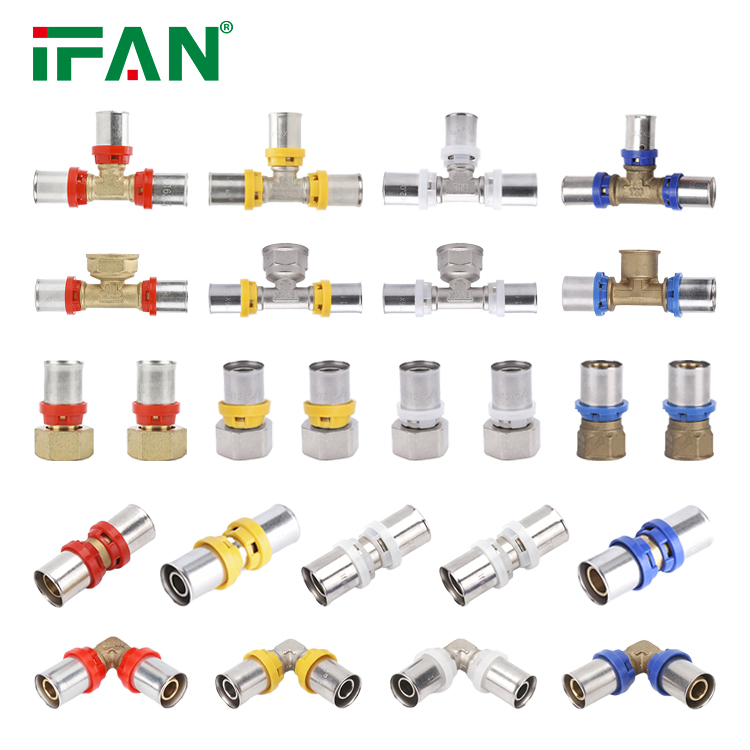
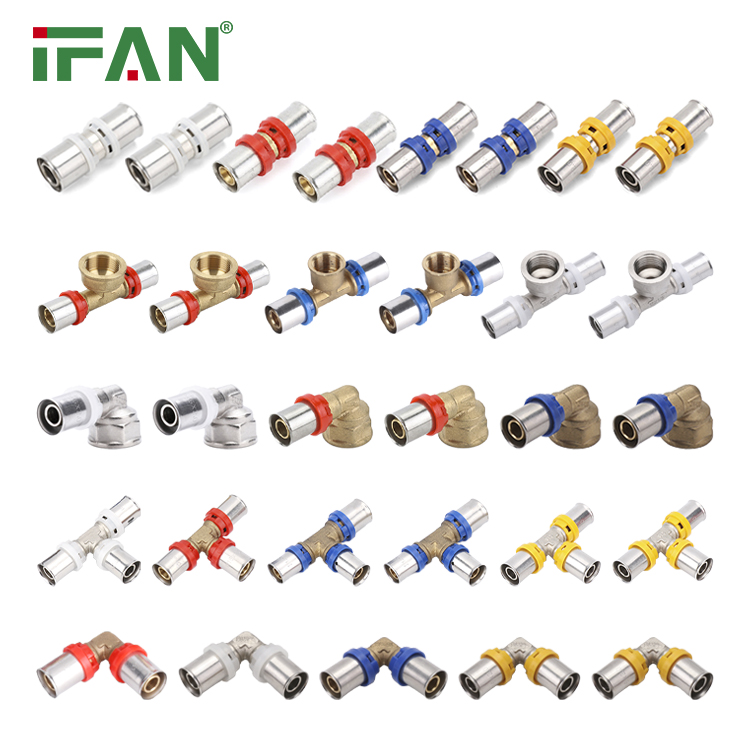
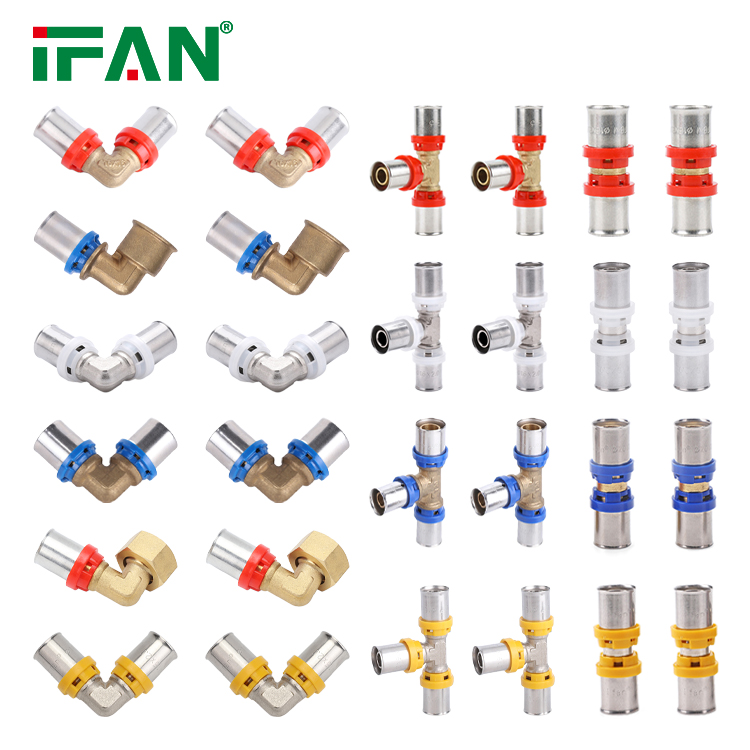
PPR fittings are components used to join PPR pipes in plumbing systems. These fittings include elbows, couplings, tees, reducers, valves, and end caps. They are installed using heat fusion welding, creating a permanent, seamless connection between pipes and fittings.
Key Benefits of PPR Fittings:
- Thermal resistance up to 95°C
- Chemical and corrosion resistance
- Long service life (50+ years under normal conditions)
- Non-toxic and suitable for potable water systems
- Easy and fast installation
Market Size and Growth Potential
The PPR fittings market in India was valued at approximately USD 750 million in 2023, and is projected to reach USD 1.2 billion by 2028, growing at a CAGR of 9.8%.
Key Growth Drivers:
- Urban infrastructure development (Smart Cities Mission, AMRUT)
- Government-backed housing schemes (PMAY)
- Shift from metal to plastic-based piping systems
- Awareness of eco-friendly and recyclable materials
- Boom in real estate and industrial construction
In rural India, the growing penetration of piped water supply schemes under the Jal Jeevan Mission is also pushing demand for long-lasting plumbing solutions like PPR fittings.
Regional Insights
- North India: Highest market share due to extensive construction in Delhi-NCR, Punjab, and Haryana.
- South India: Strong demand from the IT hub cities (Bengaluru, Chennai) with rapid high-rise development.
- Western India: Industrial applications drive usage in Gujarat and Maharashtra.
- Eastern India: Gradual growth but expected to increase with rising infrastructure investment in Bihar, West Bengal, and Odisha.
Industry Trends
1. Green Building Materials
Builders are now prioritizing materials with low environmental impact, and PPR fittings—being recyclable and non-toxic—align with this trend.
2. Increasing Use in HVAC and Industrial Applications
PPR fittings are now commonly used in:
- Chemical transport
- Process water systems
- Chilled water HVAC piping
This expands their use beyond domestic plumbing.
3. Technological Advancements
Leading manufacturers are investing in automated extrusion and molding processes to enhance precision, reduce production waste, and improve joint integrity.
Competitive Landscape
The Indian PPR fittings market is fragmented but competitive, with both global and domestic players.
Key Players:
- Supreme Industries
- Astral Pipes
- Finolex Industries
- Prince Pipes & Fittings
- Ashirvad Pipes (Aliaxis Group)
These companies are investing in brand trust, distribution networks, and training programs for plumbers and installers to boost adoption.
Challenges in the Market
Despite the growth trajectory, several challenges persist:
- Price sensitivity in Tier-2 and Tier-3 markets
- Lack of awareness among small contractors and builders
- Counterfeit products affecting brand trust and system reliability
Future Outlook
With government initiatives promoting infrastructure, sanitation, and sustainability, PPR fittings are well-positioned to play a crucial role in India’s development. The shift toward high-quality, efficient, and environment-friendly plumbing systems will continue to fuel the demand.
Expect growth in:
- Institutional projects (hospitals, schools, commercial buildings)
- Smart housing developments
- Solar and geothermal heating systems using PPR piping networks
By 2028, India may not only be a major consumer but also a key exporter of PPR fittings, especially to Middle Eastern, African, and Southeast Asian markets.
Conclusion
The PPR fittings market in India is on a robust growth path, supported by evolving construction needs, government infrastructure projects, and increasing awareness of sustainable plumbing systems. Manufacturers and suppliers who align their strategies with quality, education, and distribution reach will be best positioned to capitalize on this trend.
As demand continues to rise across residential, commercial, and industrial sectors, PPR fittings are no longer an optional upgrade—they are becoming the new standard for reliable, efficient, and future-ready piping systems.
Frequently Asked Questions (FAQ)
1. What are PPR fittings used for in India?
PPR fittings are used for joining PPR pipes in water supply, HVAC systems, industrial fluid transport, and chemical pipelines across residential and commercial infrastructure.
2. Are PPR fittings better than PVC or metal fittings?
Yes, PPR fittings offer superior thermal resistance, corrosion resistance, and longer service life, making them a preferred choice in both hot and cold water systems.
3. Which Indian companies manufacture PPR fittings?
Major Indian manufacturers include Supreme Industries, Astral Pipes, Prince Pipes, Finolex Industries, and Ashirvad Pipes.
4. Are PPR fittings suitable for high-temperature applications?
Yes, they can handle temperatures up to 95°C, making them suitable for solar water heating and industrial applications.
5. What is driving the growth of PPR fittings in India?
Key drivers include rapid urbanization, government housing and water supply projects, awareness of sustainable materials, and rising demand in commercial construction.