Ethiopia has long been one of Africa’s fastest-growing economies, and the recent establishment of a PPR fittings plumbing system factory is a major development in the country’s industrial and economic landscape. This move represents a strategic effort to encourage import substitution and boost export trade, positioning Ethiopia as a regional leader in manufacturing high-quality PPR fittings for the global market. In this article, we will explore how the establishment of this factory not only impacts the local economy but also offers exciting opportunities for the PPR fittings industry both locally and internationally.
The Role of PPR Fittings in Modern Plumbing Systems
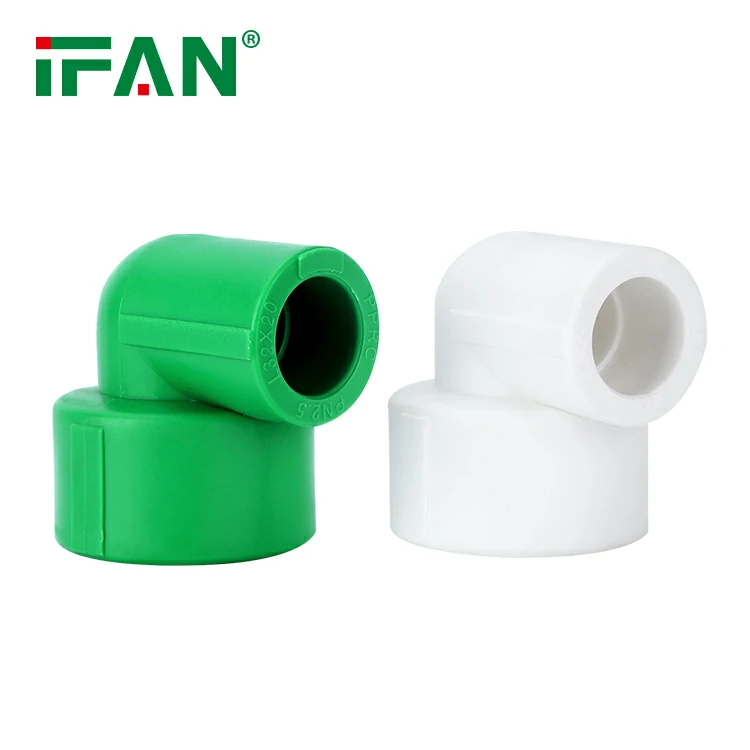
PPR fittings (Polypropylene Random Copolymer) are a crucial component in modern plumbing systems, known for their durability, high resistance to corrosion, and long lifespan. These fittings are used for a variety of applications, including both hot and cold water piping systems in residential, commercial, and industrial settings. The main benefits of PPR fittings include:
- Corrosion Resistance: Unlike traditional metal fittings, PPR fittings do not rust, ensuring clean water and reducing maintenance costs over time.
- Heat Resistance: These fittings can handle high temperatures, making them ideal for hot water systems.
- Durability: PPR fittings have a lifespan of over 50 years, providing long-term reliability.
- Easy Installation: The fusion welding technique used in connecting PPR fittings ensures a leak-proof, durable system with minimal installation complexity.
- Eco-Friendly: As a recyclable material, PPR fittings are more environmentally friendly compared to metal alternatives.
Given their key role in both residential and industrial plumbing systems, PPR fittings have become a standard choice for many countries looking for high-quality, cost-effective plumbing solutions.
The Rise of Ethiopia as a Manufacturing Hub
The establishment of a PPR fittings manufacturing factory in Ethiopia is a clear sign of the country’s ambition to become a major industrial hub in East Africa. Ethiopia has already seen significant economic growth, thanks to its focus on infrastructure development, manufacturing, and industrialization. By building a factory dedicated to the production of PPR fittings, Ethiopia is positioning itself to meet domestic demand and supply the wider African and international markets.
Import Substitution: A Key Economic Strategy
One of the main goals of the PPR fittings plumbing system factory is to encourage import substitution. In the past, Ethiopia has relied heavily on imports for essential construction materials, including PPR fittings, adding significant pressure to the country’s foreign exchange reserves. By building a local factory, Ethiopia aims to reduce its dependence on imports, saving valuable foreign currency and promoting self-sufficiency.
The factory will not only meet the increasing demand for PPR fittings within Ethiopia but will also provide employment opportunities, boost local industry, and foster innovation within the manufacturing sector. Local production can lead to lower prices for consumers and increase access to high-quality plumbing solutions.
Export Trade Potential: Expanding to Regional and Global Markets
Beyond meeting domestic needs, Ethiopia’s PPR fittings factory is also focused on expanding its footprint in the export market. East Africa, with its growing population and rapid urbanization, presents a significant opportunity for Ethiopia to supply PPR fittings to neighboring countries such as Kenya, Sudan, and Uganda.
Moreover, Ethiopia’s strategic location and preferential trade agreements with the African Union and other regional bodies provide the country with access to global markets. As demand for PPR fittings continues to grow worldwide, Ethiopia’s factory is well-positioned to cater to both regional and international markets. Exporting high-quality PPR fittings can significantly enhance the country’s foreign exchange earnings and establish Ethiopia as a key player in the global plumbing industry.
Impact on the Ethiopian Economy
The creation of a PPR fittings manufacturing facility in Ethiopia is expected to have a range of positive economic impacts, both short-term and long-term. Let’s explore the potential benefits:
1. Job Creation and Skills Development
The factory will create hundreds of jobs, from factory floor workers to engineers, sales teams, and administrative staff. This will not only reduce unemployment but also provide workers with valuable skills in manufacturing, production processes, and quality control. The emphasis on skills development will contribute to Ethiopia’s human capital development and help create a more skilled workforce, boosting overall productivity.
2. Boosting Local Supply Chains
By establishing a local PPR fittings factory, the demand for raw materials such as polypropylene, additives, and other components will increase, stimulating local supply chains. This creates opportunities for local businesses to supply the factory with essential materials and services, strengthening the broader industrial ecosystem in Ethiopia.
3. Foreign Direct Investment (FDI)
The factory is also likely to attract foreign direct investment (FDI), as international investors look to tap into Ethiopia’s growing manufacturing sector. The establishment of such a factory shows confidence in the country’s industrial potential, making it an attractive destination for future investments in other sectors.
4. Improved Trade Balance
The successful establishment of a local PPR fittings manufacturing facility will help improve Ethiopia’s trade balance. By reducing its reliance on imported fittings, Ethiopia can lower its trade deficit and improve its overall economic stability. Additionally, the export of PPR fittings can generate valuable foreign currency, contributing to the growth of Ethiopia’s economy.
The Future of the PPR Fittings Industry in Ethiopia
The creation of the PPR fittings plumbing system factory in Ethiopia represents a key milestone for the country’s industrial and economic future. As Ethiopia looks to expand its manufacturing base and reduce dependency on imports, the PPR fittings industry will play a significant role in shaping this transformation.
In the coming years, Ethiopia’s PPR fittings factory is expected to become a significant supplier to both local and international markets, providing high-quality plumbing solutions while driving economic growth. By integrating advanced technology, efficient production methods, and a commitment to sustainability, the factory can help set new industry standards for manufacturing excellence.
Conclusion
The establishment of a PPR fittings plumbing system factory in Ethiopia is a significant step forward for the country’s economy. By focusing on import substitution and export trade, Ethiopia can reduce its reliance on imported materials, stimulate job creation, and enhance its standing as a manufacturing hub in Africa. The PPR fittings industry in Ethiopia has the potential to transform local plumbing systems while positioning the country as a key player in the global market.
Frequently Asked Questions (FAQs)
- What are PPR fittings, and why are they important?
PPR fittings are plumbing components made from Polypropylene Random Copolymer, used in water distribution systems. They are known for their durability, corrosion resistance, and ease of installation, making them essential for both residential and commercial plumbing. - How will the PPR fittings factory benefit Ethiopia’s economy?
The factory will create jobs, reduce reliance on imports, boost local supply chains, and improve Ethiopia’s trade balance. It will also attract foreign investment and help the country become a key player in the global manufacturing market. - What is import substitution, and why is it important for Ethiopia?
Import substitution is the process of replacing imported goods with locally produced alternatives. For Ethiopia, it means reducing reliance on foreign imports, saving foreign currency, and promoting local industries. - Can Ethiopia export PPR fittings to other countries?
Yes, Ethiopia has the potential to export PPR fittings to neighboring African countries and global markets. The factory will help position Ethiopia as a major exporter of plumbing materials, tapping into regional and international demand. - How does the PPR fittings factory impact local businesses?
The factory will stimulate local supply chains by creating demand for raw materials and services. Local businesses can benefit by supplying the factory with necessary components, fostering collaboration within the industrial ecosystem.