Introduction
The global plumbing industry is experiencing rapid growth, driven by urbanization, infrastructure development, and demand for efficient piping solutions. One of the major highlights in this sector is the booming PPR (Polypropylene Random Copolymer) pipe market, which is seeing widespread adoption across residential, commercial, and industrial applications. However, amidst the success of PPR, another piping solution—PEX pipe (cross-linked polyethylene)—is quietly revolutionizing plumbing and construction practices around the world.
In this article, we explore the massive growth of the PPR pipe market, compare it with the versatile and efficient PEX pipe, and examine how both materials are shaping the future of global piping systems. We’ll also uncover why many modern contractors and homeowners are leaning toward PEX pipes despite the rising revenue of PPR.
What Are PPR Pipes?
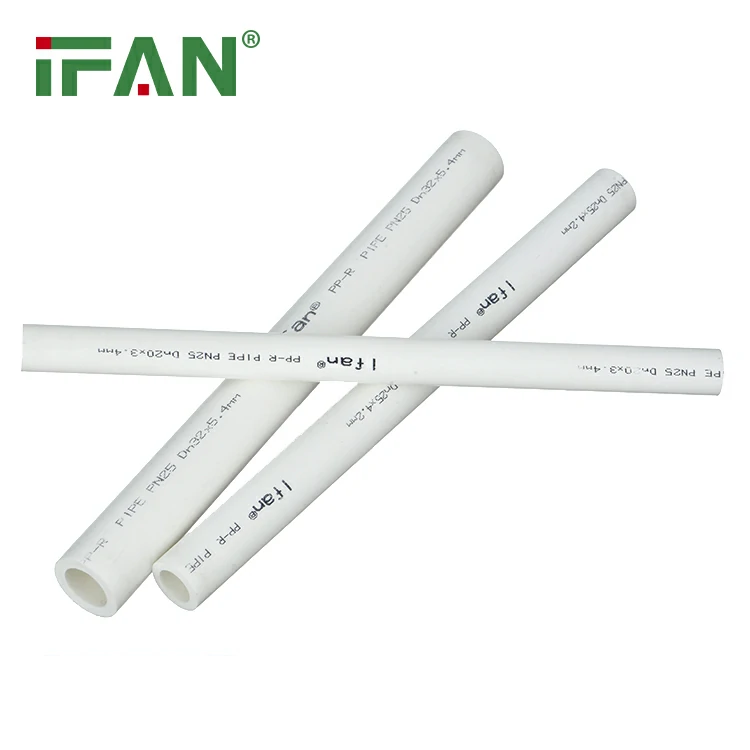
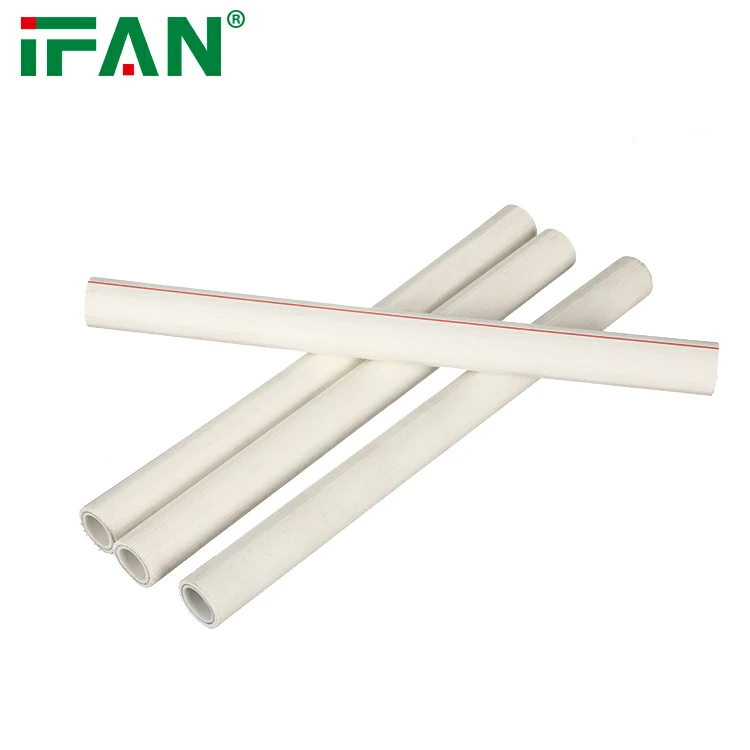
PPR pipes are made from polypropylene random copolymer plastic, widely used in plumbing and water supply systems due to their high chemical resistance, non-toxic nature, and ability to handle hot and cold water. PPR is popular in various global markets, particularly in Asia and Europe, due to its affordability and long service life.
Key Features of PPR Pipes:
- High temperature resistance
- Smooth inner surface for better flow
- Low thermal conductivity
- Long service life (up to 50 years)
- Environmentally friendly and recyclable
The Global Boom in the PPR Pipe Market
According to industry reports, the PPR pipe market is experiencing a Compound Annual Growth Rate (CAGR) of over 6% in recent years. The reasons are clear:
- Increasing demand for modern water supply systems in residential buildings
- Government investments in infrastructure and urban development
- Growth in the real estate and commercial construction sectors
- Rising awareness about eco-friendly and cost-effective piping solutions
Asia-Pacific remains the largest consumer of PPR pipes, with countries like China, India, and the Philippines experiencing strong demand. Europe and North America are also seeing a steady rise in the adoption of PPR due to regulations pushing for green building practices.
Enter PEX Pipe: A Game-Changer in Modern Piping
While PPR continues to rise in popularity, PEX pipe is emerging as a powerful alternative—especially in developed markets where performance, flexibility, and installation speed matter most.
What is PEX Pipe?
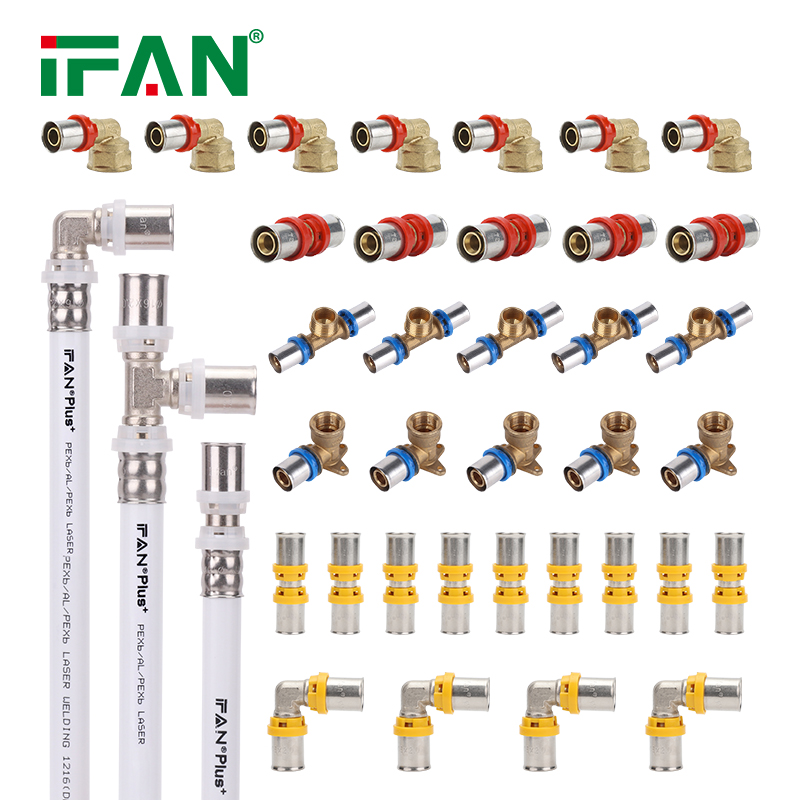
PEX (cross-linked polyethylene) is a flexible, durable plastic tubing used widely for water supply systems, radiant floor heating, and hydronic applications. Its cross-linking process gives it exceptional strength and resistance to extreme temperatures, pressure, and chemicals.
Why PEX Pipe is Gaining Global Attention
1. Superior Flexibility and Easy Installation
Unlike PPR, which requires thermal fusion welding to join pipes, PEX pipes use mechanical fittings or push-fit connections, significantly reducing installation time and labor costs. This makes PEX ideal for retrofit projects and modern residential construction.
PEX installation advantages:
- Can be bent around obstacles, reducing need for fittings
- Uses fewer connection points, lowering risk of leaks
- Requires less manpower and time
2. Durability and Resistance to Corrosion
PEX is non-metallic and therefore completely resistant to rust, corrosion, and scale build-up. In contrast, while PPR is also resistant to corrosion, it can become brittle over time if not properly protected from UV exposure. PEX remains flexible and resilient even in sub-zero temperatures.
3. Energy-Efficient Thermal Conductivity
PEX retains heat better than PPR and other rigid piping materials, making it ideal for radiant floor heating and energy-efficient hot water systems. In energy-conscious markets like Europe and North America, this makes PEX especially desirable.
4. Cost-Effectiveness Over Time
While the initial material cost of PEX may be slightly higher than PPR in some regions, the reduced labor, faster installation, and minimal maintenance requirements make it a more cost-effective option over the lifespan of the system.
5. Adaptability in Modern Building Systems
PEX is often used in manifold plumbing systems, where each fixture has a dedicated pipe line. This allows for better control, water efficiency, and easier maintenance. PPR lacks the same level of flexibility in system design.
PEX vs. PPR: A Comparison Table
| Feature | PEX Pipe | PPR Pipe |
|---|---|---|
| Flexibility | Highly flexible | Rigid |
| Installation Method | Crimp, clamp, push-fit | Heat fusion welding |
| Resistance to Freezing | Excellent (expands slightly) | Moderate |
| Cost | Moderate (lower labor cost) | Low (higher installation time) |
| Lifespan | 50+ years | 50+ years |
| Corrosion Resistance | Excellent | Excellent |
| UV Resistance | Poor (must be protected) | Poor (must be protected) |
| Best Use | Residential, radiant heating | Residential, industrial |
Where PEX Pipe Excels Globally
While PPR dominates in emerging markets where initial cost is the top priority, PEX is quickly becoming the go-to solution in countries focused on modern construction standards. The United States, Canada, Germany, Japan, and Australia are seeing increasing demand for PEX in:
- Multi-unit residential buildings
- Green buildings and LEED-certified projects
- Radiant floor heating installations
- Modular housing developments
In these applications, PEX often outperforms PPR in terms of ease of use, installation speed, and adaptability.
Environmental Considerations
PEX and PPR are both considered eco-friendly piping solutions compared to traditional metal piping. However, PEX has a lower carbon footprint during transportation due to its lightweight nature and is easier to work with on-site, reducing construction waste.
Both materials are recyclable, but PPR may have a slight edge in this category due to the absence of cross-linking, making recycling more straightforward. However, the long life and lower maintenance needs of PEX offset this difference in many applications.
The Future of Piping: Hybrid Systems?
As the construction industry becomes more specialized, hybrid piping systems are emerging—combining the strengths of different materials. For example, PEX may be used in interior plumbing, while PPR is used for the main distribution lines.
These hybrid systems aim to balance cost, performance, and durability, especially in large commercial or multi-family residential projects.
Conclusion: Should You Choose PEX or PPR?
While the PPR pipe market is undeniably booming, the performance and flexibility of PEX pipe make it a serious contender in the global plumbing industry. Contractors and homeowners who prioritize ease of installation, longevity, and energy efficiency may find PEX to be the better choice—especially in climates or projects requiring high-performance plumbing systems.
In short, both materials have their strengths, but the growing preference for PEX pipe in advanced markets signals a strong future for this versatile piping solution.
FAQs
1. Can PEX pipes replace PPR pipes in all applications?
Not always. While PEX is ideal for interior plumbing and radiant systems, PPR may still be preferred in high-pressure industrial applications. A professional assessment is advised.
2. Is PEX pipe safe for drinking water?
Yes, PEX pipes are approved for potable water use in many countries and meet rigorous safety standards.
3. What is the main disadvantage of PEX pipe?
PEX is sensitive to UV rays and should not be used in direct sunlight or exposed areas unless properly insulated or protected.
4. Can I use PEX for outdoor plumbing?
PEX can be used outdoors if it is properly insulated and shielded from sunlight. However, it’s more commonly used indoors.
5. Which pipe is more cost-effective: PEX or PPR?
PPR may have a lower initial material cost, but PEX saves on labor and installation time, making it more cost-effective in many residential projects.