REASONS WHY PVC WATER PIPES CHANGE COLOR

PVC pipes will change color for various reasons during use. Consumers will blame the quality of PVC pipes when they see discoloration of PVC pipes. In fact, the reason for the discoloration of the PVC pipe is not only the quality of the PVC pipe. Let’s take a look at the reasons for the discoloration of PVC pipes.

Quality of PVC products

Because of the presence of tertiary chlorine and allyl chloride in the molecular structure of PVC, the PVC pipe is prone to decompose during the production process and later in use, causing the pipe to begin to change color. The order of color changes is white, pink, yellow, red, and black ( carbonization), so PVC quality, stabilizer quality (to control decomposition), and dosage are critical.

Discoloration induced by the unqualified titanium dioxide

There are usually two structural forms: anatase and rutile. Due to their different structures, performance, and aging resistance. It must be a rutile type when used as PVC pipe. However, due to the production quality problems of some manufacturers or due to uneven surface coating, discoloration (greying) is prone to occur under the condition of photocatalysis.
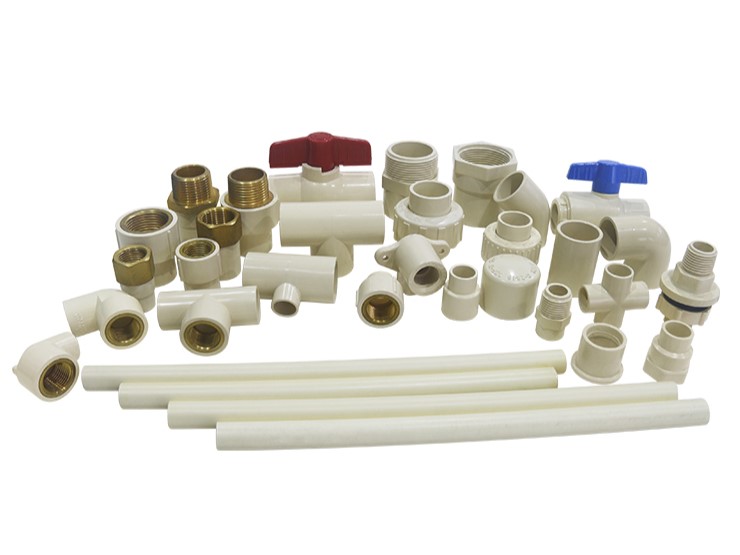
Sulfur pollution and lead salt stabilizer, cadmium stabilizer

With the development of industry, the problem of acid rain and sulfide pollution is becoming more and more serious, and in the process of storage and transportation, profiles may come into contact with sulfide, so the possibility of sulfide pollution is very high. The substance produced by the sulfur pollution reaction is black or red, which can cause the white substance to change color, so the lead salt stabilizer profile is prone to sulfur pollution. Cadmium stabilizer is a toxic product. If used in pipes, it will cause the yellowing of pipes in a sulfide environment, so cadmium stabilizers are rarely used.

The above are the reasons for the discoloration of PVC pipes. IFAN will share them with you, hoping to help you.

This is our Facebook Website:www.facebook.com
Share:

Facebook
Twitter
Pinterest
LinkedIn

Leave a Comment

Your email address will not be published. Required fields are marked *

On Key

Related Posts

How Stainless Steel PPR Fittings Resist Thread Stripping

Honestly, after so many years in the plumbing game, I’ve seen it all. But IFAN SS304 PPR Fittings? They genuinely caught my attention. Let me break down why these are so damn good and why I keep pushing IFAN products. 1. SS304 Stainless Steel + PPR — A Match Made in Heaven Let’s talk material

Comparing Stainless Steel vs Brass PPR Fittings for Water Systems

One: Why This Comparison Matters More Than You Think Let’s cut to the chase. When you’re building or renovating a water system, the fittings you choose are literally the joints that hold everything together. Get them wrong, and you’re dealing with leaks, contamination, and a headache that lasts decades. Two of the most popular metallic

Why Stainless Steel Inserts Prevent PPR Fitting Leaks

The Real Reason Your PPR Fittings Leak (And It’s Not What You Think) Most people blame the pipe when a leak shows up. But here’s the truth — the pipe itself rarely fails. The problem is almost always the fitting. And more specifically, it’s the metal insert sitting inside that fitting. Traditional PPR fittings use

PPR Pipe Stiffness Class and Its Effect on Buried Installations

Is Your Underground Pipe Slowly Getting Crushed Right Under Your Feet? Look, most people spend weeks picking tile colors and countertop materials during renovation. Then they throw some pipes in the ground, cover them up, and forget about them. Three years later — bathroom leaking, kitchen damp, water bill through the roof. You tear up

Understanding PNR and MOP Ratings on PPR Pipes

Don’t Just Check the Price — These Two Numbers on the Pipe Matter Most Let’s be honest — most people walk into a plumbing supply store and the first thing they ask is “how much per meter?” The seller gives a number, you compare it with another shop, and you buy the cheapest one. But

Get Free Quote NOW